

Life in Panjakent
After our days of rest in Dushanbe, it was time to resume our travels by heading into the last of the Stans, at least for this trip. But first, we chose to spent a night in the Tajik border town of Panjakent (population 50k), which comes from Persian meaning “five towns,” likely referring to a cluster of ancient settlements. This part of Tajikistan flourished especially from the 5th-8th Centuries as a trading and cultural center along the Silk Road.


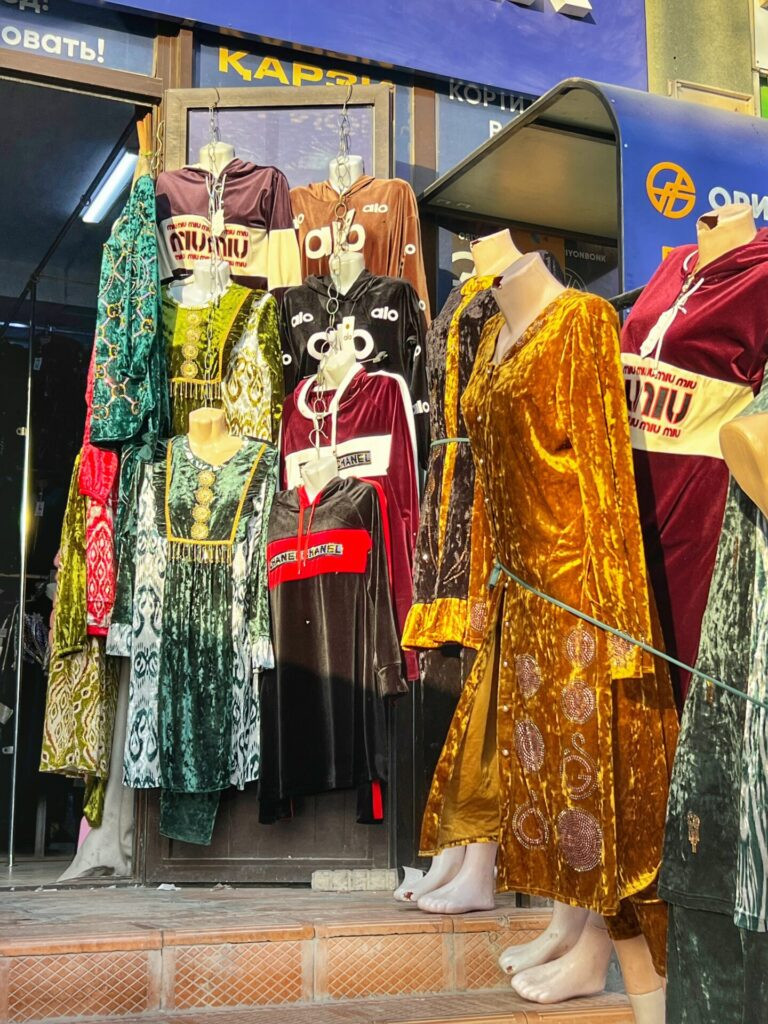
We were first deposited near the town’s bazaar, where we encountered a flurry of activity, considering it was noon on a Friday, which is the holiest of times and days in Islam.
All the men were inside the mosque yards thronged together on prayer mats, and a disconcerting number of pitiful women with babies were on the sidewalks begging for money. Many of them appeared Afghani in their faces, but it’s hard to say exactly where they came from.
Inside the bazaar the following morning…loaded with bustle, amazing produce, and Tajik women in sparkly dresses, which is very common in this culture…especially combined with velour and headscarves.


A more traditional look…. and…a less traditional look. This is Ben, a Bob Marley-bundled guy who undeniably got eyed from every passerby, including us.
Turns out, he was a sweet and gregarious 75-year-old nomad from Seattle staying at our hostel that we bumped into on the street and had a lovely chat with. He’s been traveling the world for 12-years on his $1000/month social security check. Got us beat for sure!


Our restaurant meal while in Panjakent was at a Cyrillic-only named restaurant on Google called “Қурутобхонаи №1”, which curiously translated from Tajik as “THE BATHROOM Number 1,” which I suppose is better than Number 2? Regardless of this probable Google fail, it had 17 five-star reviews in a town with pretty abysmal selection otherwise.
They had no menu, and only five dishes, including the one we wanted…Shakarob. However, the hospitable owner wanted to make sure we also tried Kurutob (Qurutob) before we left Tajikistan, which he kindly treated us to, even though we tried to insist we only needed ONE of these colossal bowls.
We are still a little unclear as to what is Shakarob and what is Kurutob because we’ve been told different things by different locals, as well as Chat GPT. The two dishes he brought us definitely had similar ingredients (tomatoes, peppers, cucumbers, dill, onions, chili) over yogurt and cut pieces of flatbread. In this case, the Kurutob (on the right) was warmed slightly, with fermented carrots on top and a bit more oil. Other than that…same dish?
Regardless of which you choose, they are a vegetarian’s dream in a land full of meat. They have similar dishes also that do have meat.
But, sitting behind our indigo theatre curtain for over an hour, there is no way we were about to pack all that food away either. We couldn’t believe their generosity…and walked out paying just over $3 with a tip.

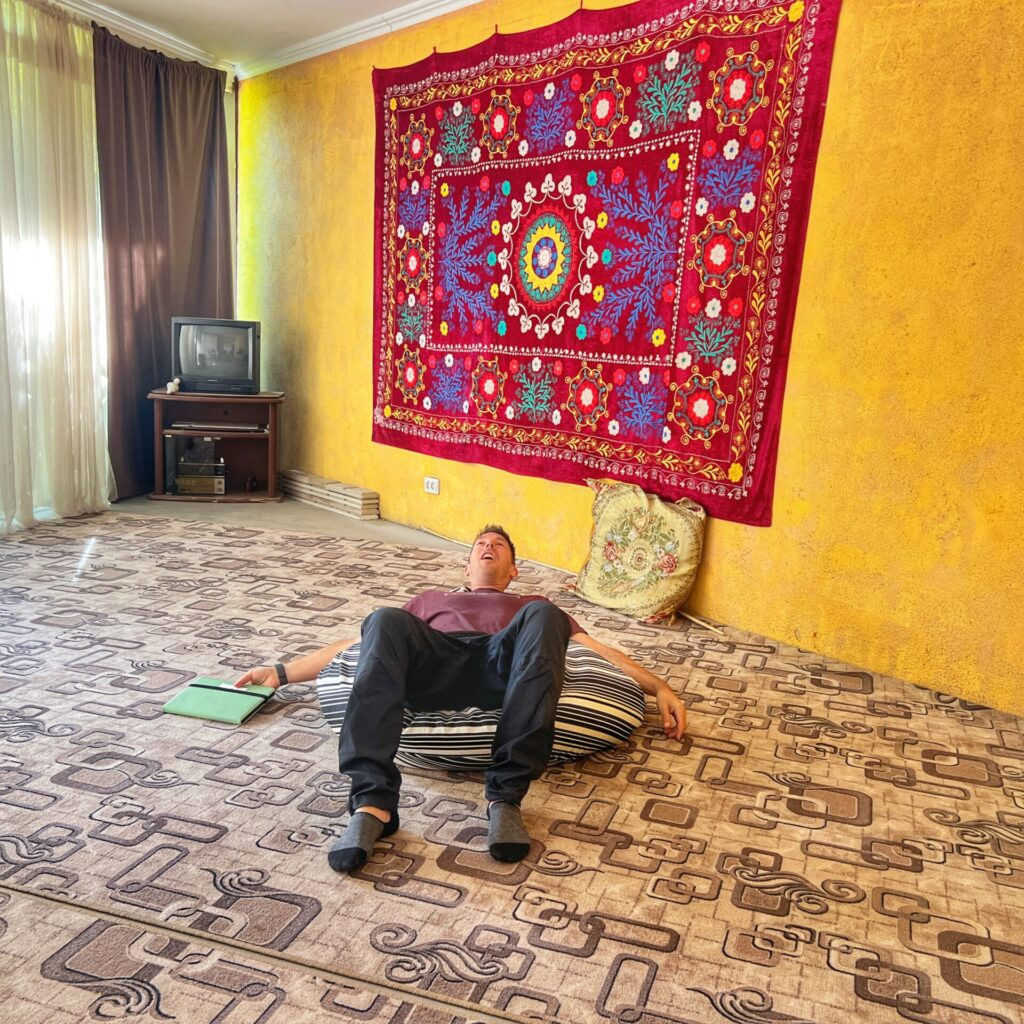
From there, we rolled back to the only hostel in town with decent reviews, Sim Sim, for a springs-in-the-ribs siesta. Baby Greg’s was crib-style for extra comfort. At Sim Sim, we had a private room for $22, but only after walking THROUGH the dormitory room of four beds, which included Ben, aka Bob Marley’s, bed. Needless to say, we were glad we’d changed our plans to only stay one night instead of three.
Its community area was a bit lacking as well. 😂 But, it included a decent breakfast and a very friendly English-speaking host named Mansour, who also runs daily trips to Seven Lakes/Fann Mountains for $100. We’re at our splurge limit, so we passed, but it seems like a nice option for anyone who opted out of the Pamir Highway journey and wants to see some of Tajikistan’s natural wonders.
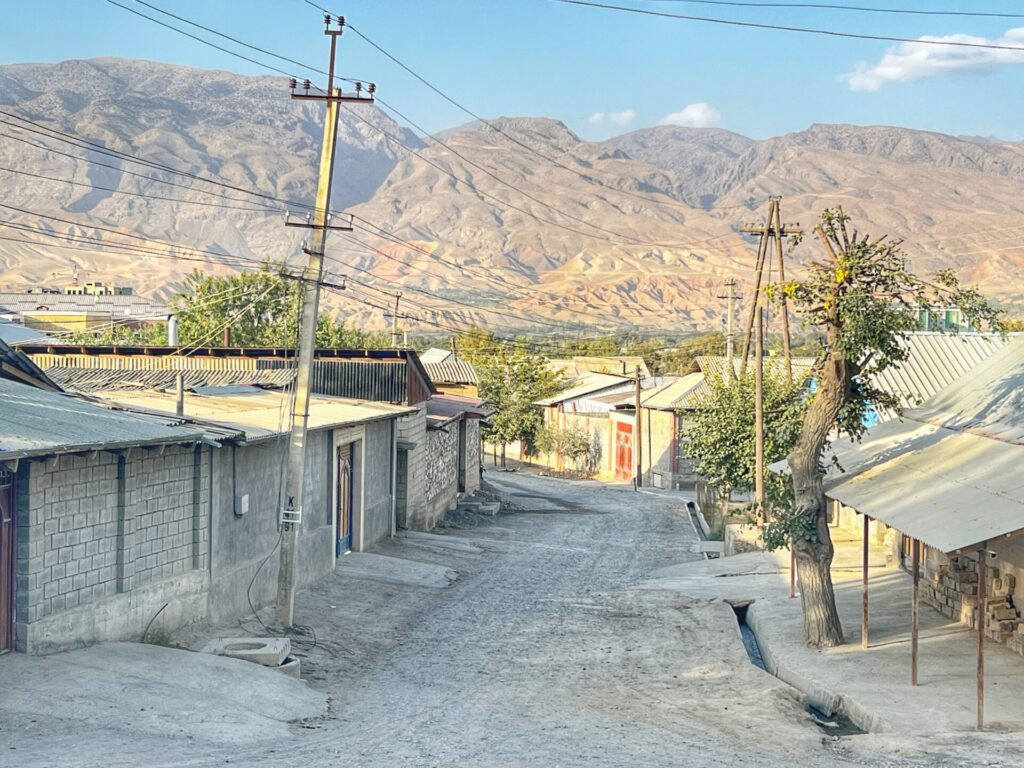
The neighborhood streets of Panjakent. Like on parts of the Pamir, we encountered incredibly friendly children all in school uniforms wanting to practice their English on us, or take our pictures.

One of the more prominent, historic mosques in Panjakent.

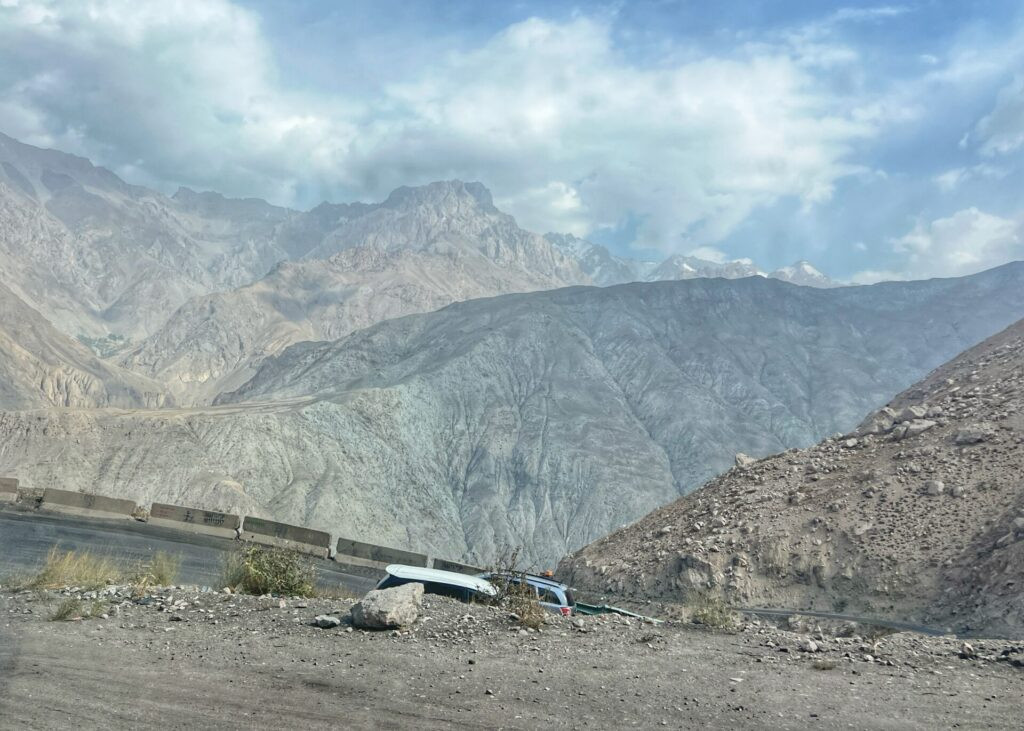
To get there, we took a shared taxi from the “SHARED TAXI TO KHUJAND” terminal in the north of Dushanbe for 120 Somoni each (about $12.50). Be prepared to get completely ringed by feisty taxi drivers at this station when you exit your taxi from the center, and compose your game face to negotiate if you don’t want to get ripped off. They start at about double this price.

Along the way, one gets to participate in another great Tajik experience…passing through the Anzob Tunnel, or “the Tunnel of Death” as named by the locals.
This 5k connection between the north and south of Tajikistan was started by Iranian engineers in 2003 and was notoriously one of the scariest tunnels in the world for years. Why? Well…
- It was completely unlit for very long stretches
- There was thick exhaust fumes collecting inside as buses crawled through
- No drainage, so sections would flood with giant potholed ponds
- Narrow single-(ish)-lane bottlenecks, where giant trucks meet to play chicken in the dark
The flag is where the tunnel lies. Fortunately, as of 2018, conditions have improved, including lighting, but it’s still quite wet (in rainy season), narrow and harrowing, especially because most drivers (including ours) floor their gas to get through it as quickly as possible. In was shortly after here we passed the last of the snow-capped mountains on this trip…

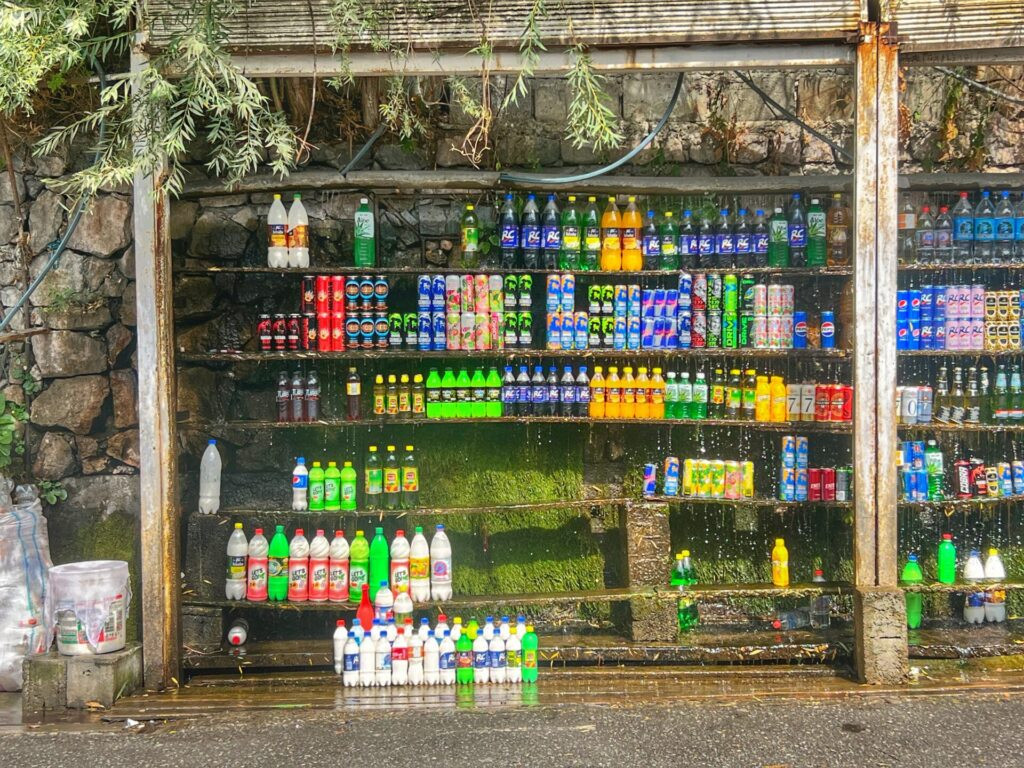
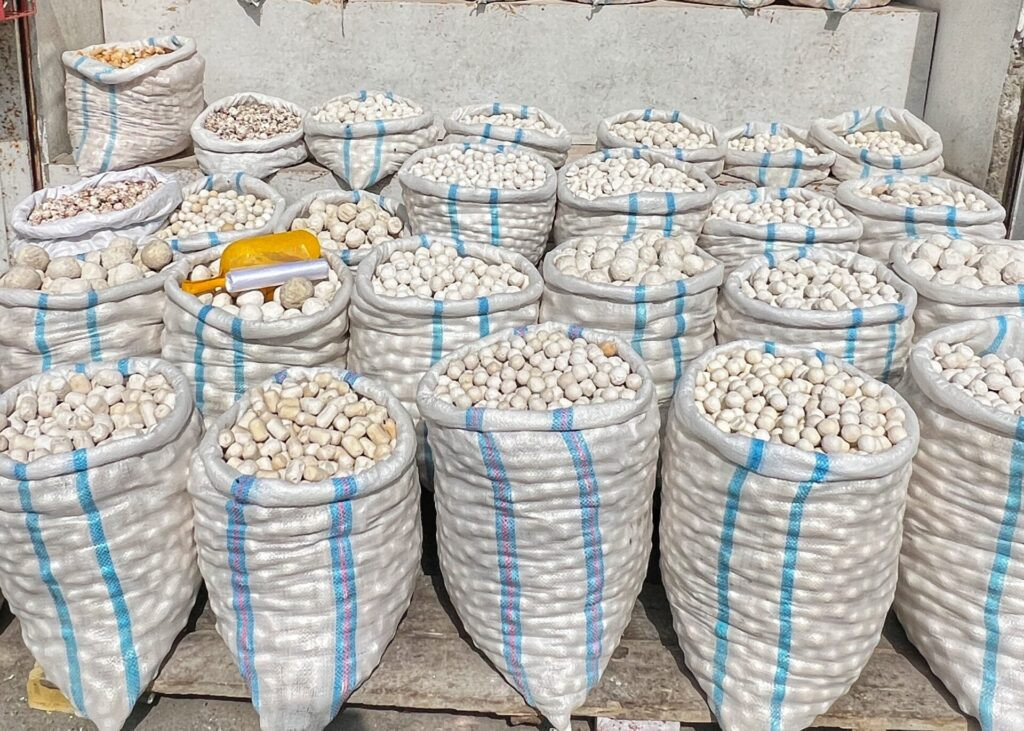
A stop along the way for some dried apricots, a cold drink ingeniously refrigerated by spring water flowing out rocks, and more Kurt than you can ever imagine. The sweet ladies in front of us were popping it like Milk Duds and offered us a piece, which we graciously accepted (as you should do…and then spit out when they’re not looking). This Central Asian snack made from dried yogurt or sour milk, kinda like a dairied jawbreaker, is just as disgusting in Tajikistan as it was in the other Stans. And who really wants to break a tooth over that?!
Sogdiana Ruins from the Silk Road
One of the reasons that made stopping in Panjakent worthwhile is visiting the remains of an ancient city-state along the Silk Road. According to Atlas Obscura, this Zoroastrian (fire-worshipping) city, founded under the Iranian civilization of Sogdiana, was developed around 400 AD and abandoned by 800 when the arrival of Arab conquerers arrived and introduced Islam into the region.
However, unlike most other ancient settlements in Central Asia, ancient Panjakent was abandoned in haste and never built over by subsequent dwellers. Visiting the site was free, and an easy 25-minute walk from the town. There are several entry points.
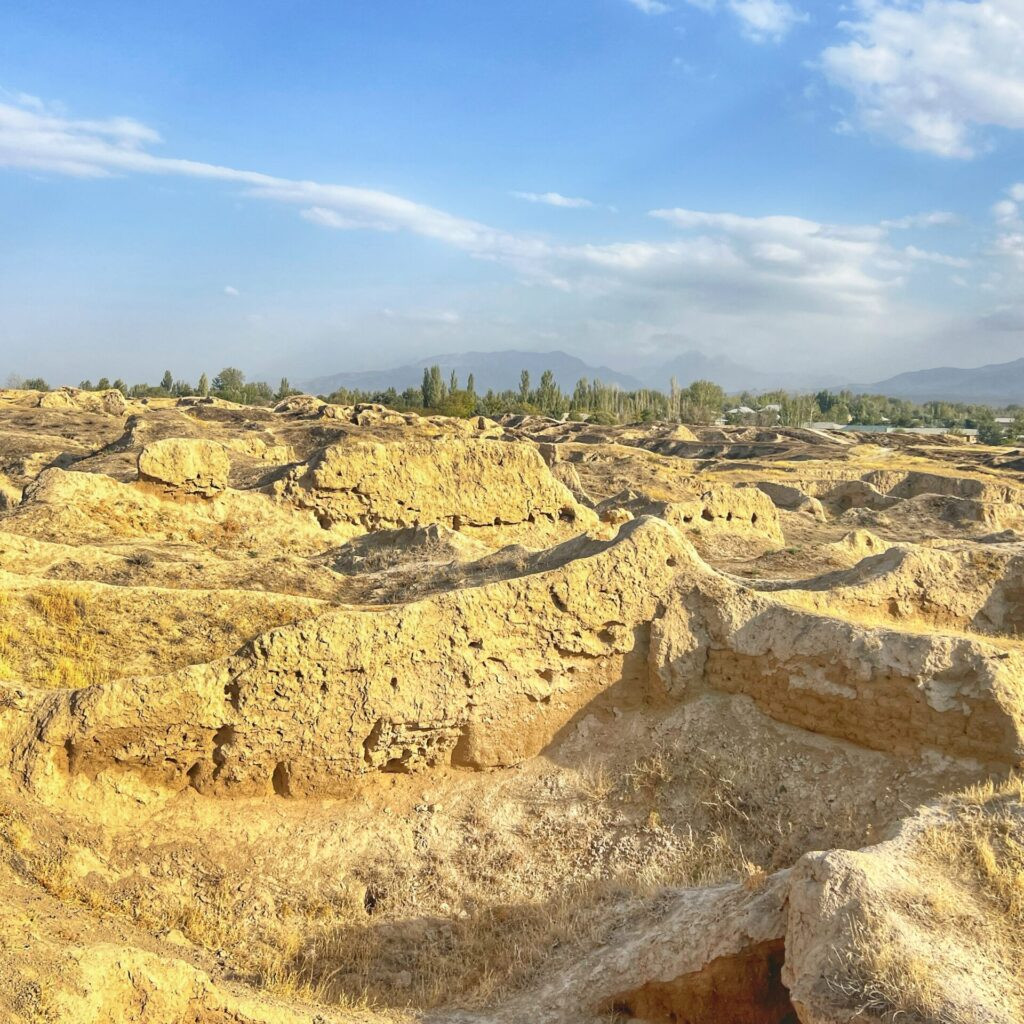
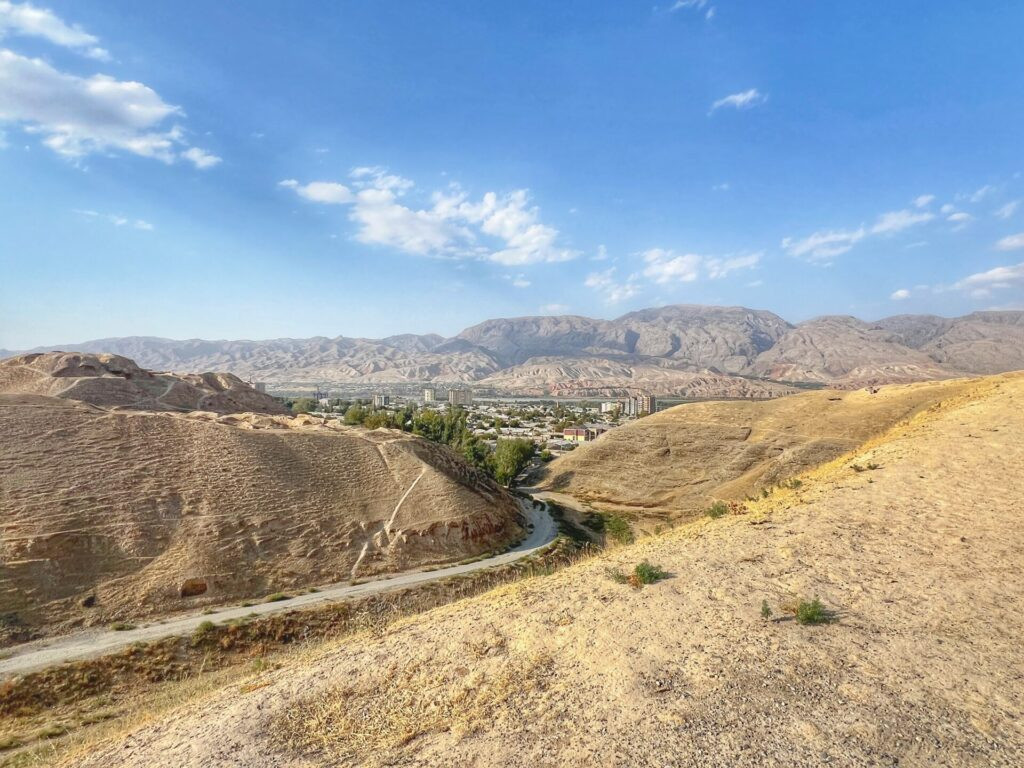
Excavations of the ancient city began in 1946 and are still ongoing. Atlas Obscura says that archaeologists have uncovered residential and commercial quarters that included two Zoroastrian temples, dwellings, workshops, a citadel, and the necropolis. Unfortunately, there was no signage, so it was difficult to make out what any of these things were. We were able to pick out the view of the town, and surrounding mountains, from the site. Haha.
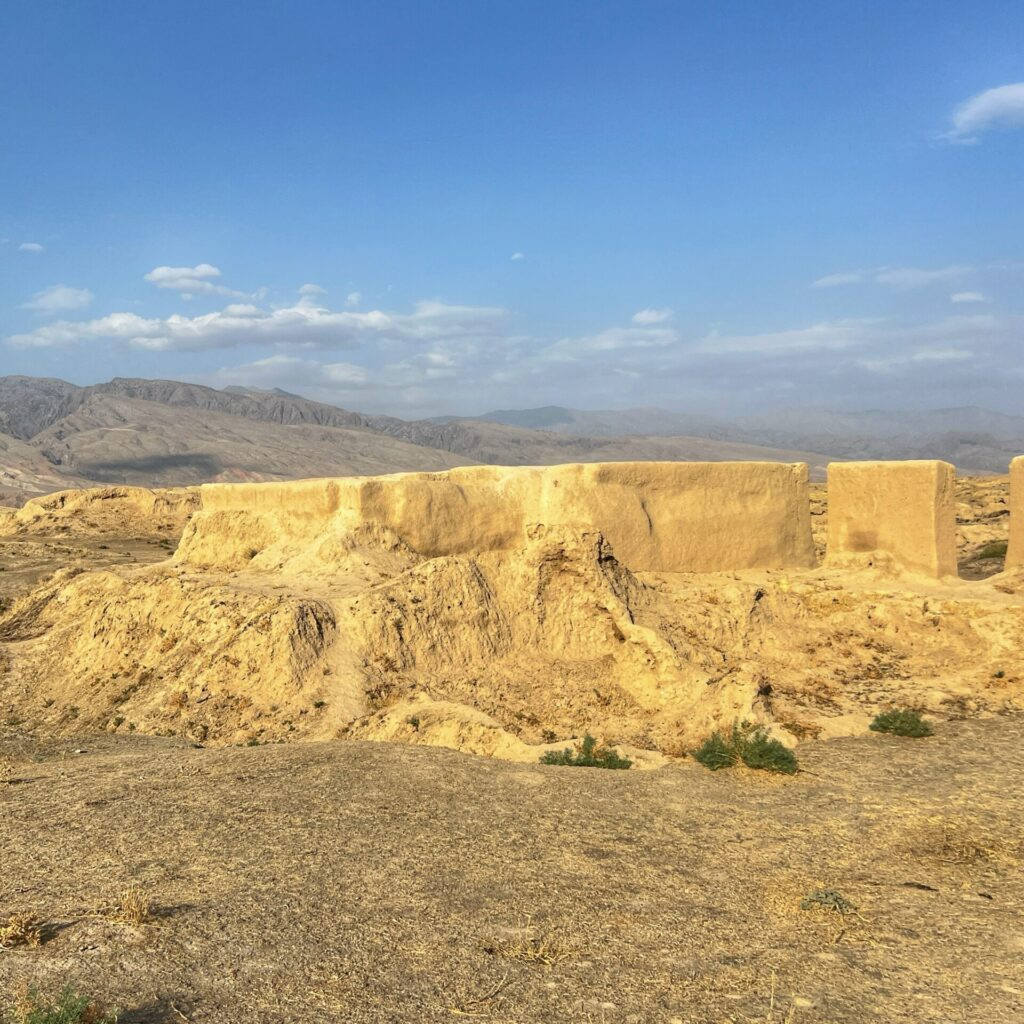
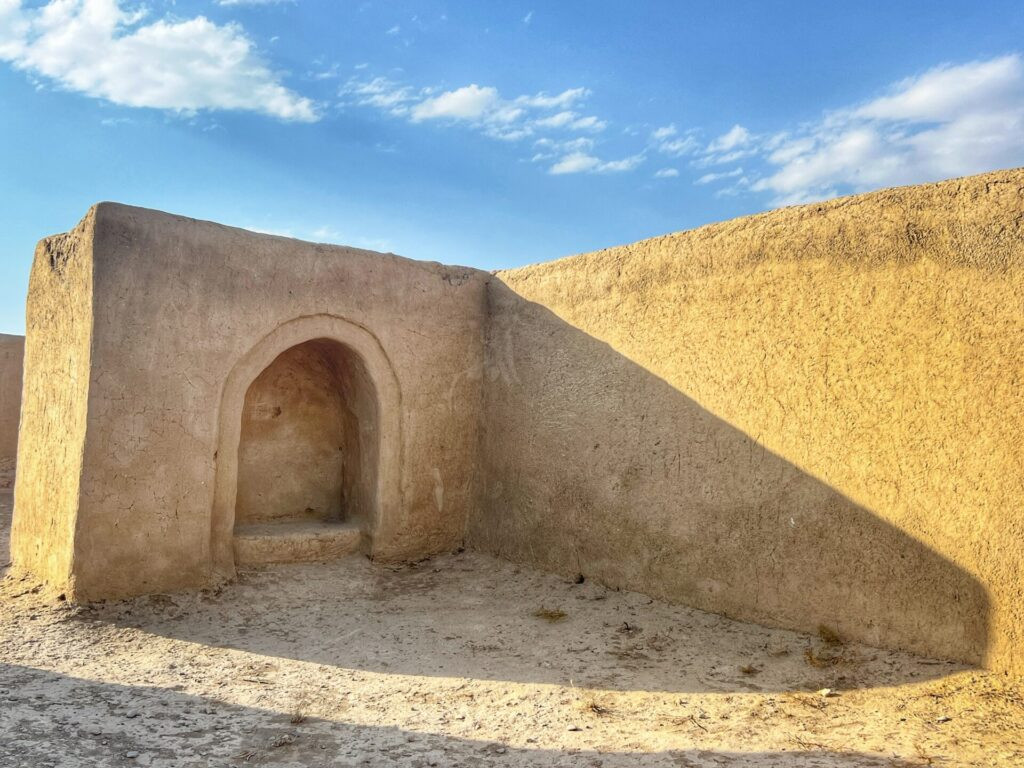
Some buildings have been restored using straw/mud brick technology used in these ancient times, and even today. This is likely a fire altar, which were commonplace in Zoroastrian civilizations.
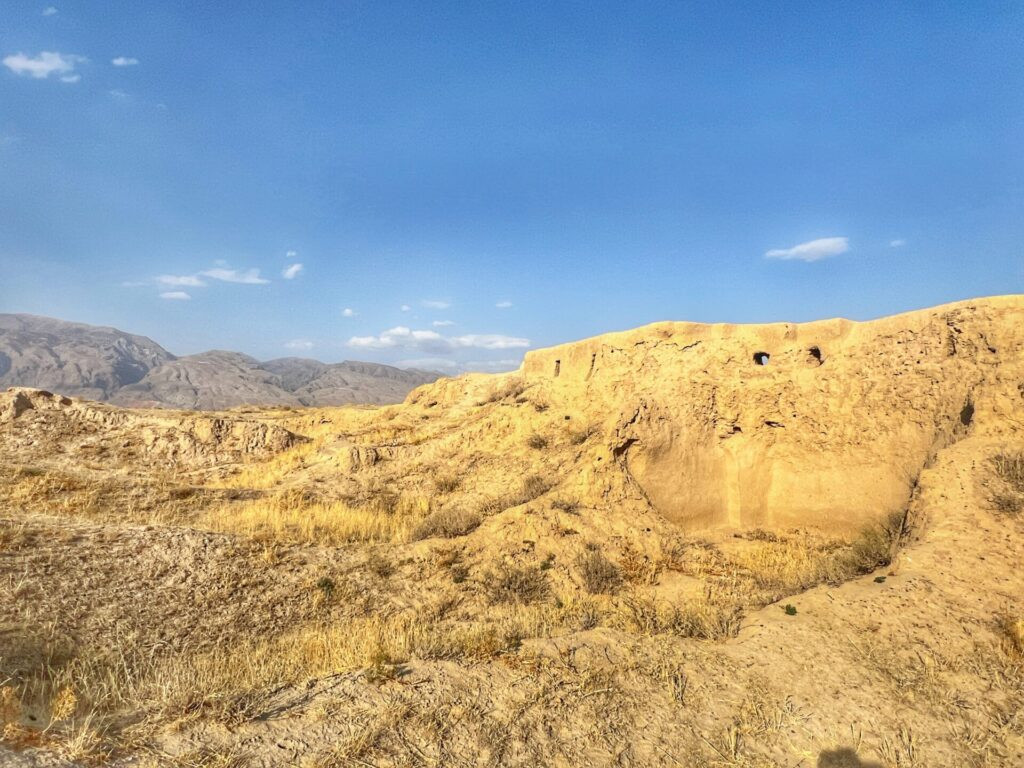
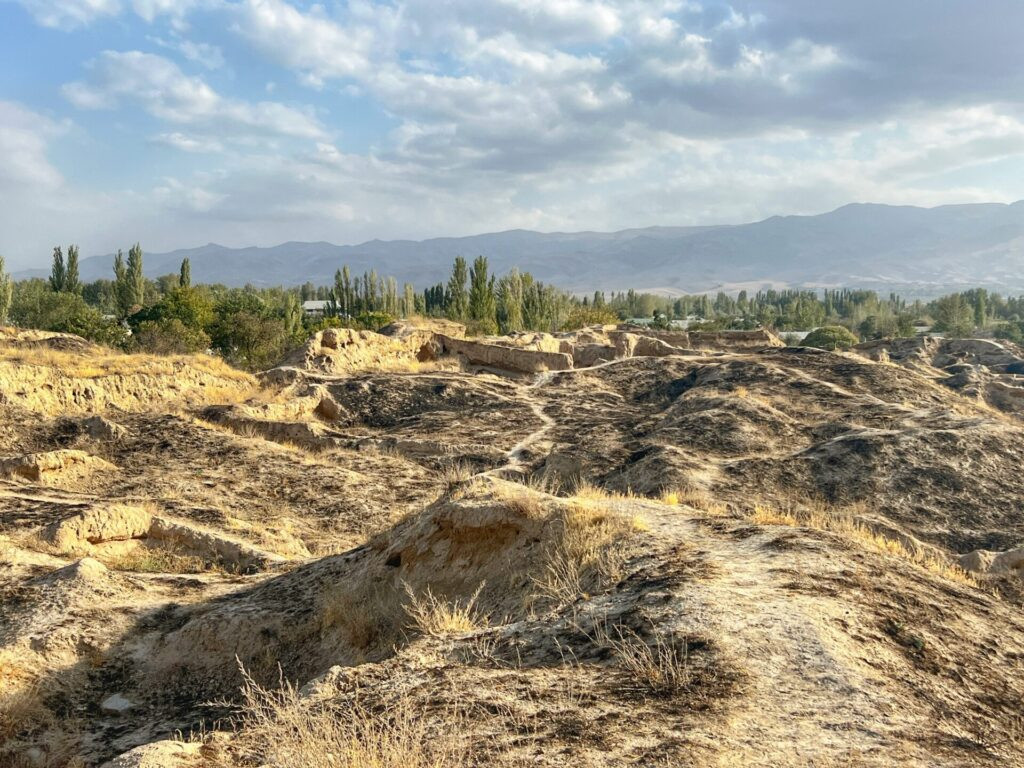
Sogdiana history includes such historic celebrities such Cyrus the Great, Xerxes and Alexander the Great. The empire began flourishing around 400 due to extensive trade along the Silk Road. The paths and “roads” within the ancient city were still quite evident.
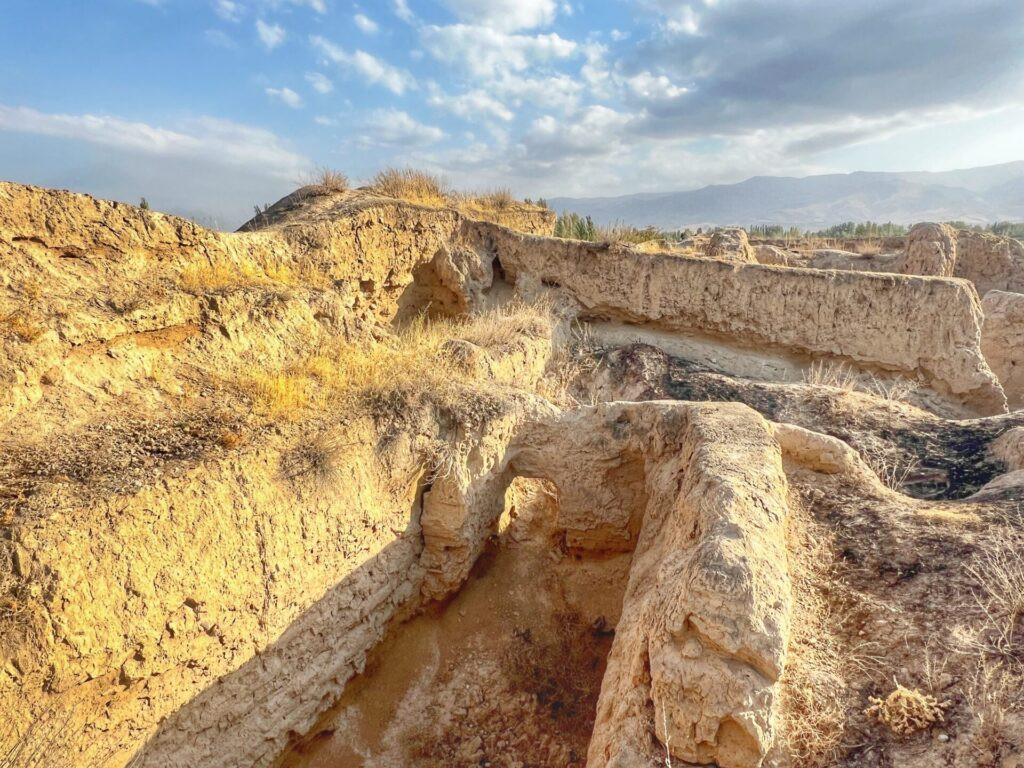

It was a surreal place to roam so openly. There were several buildings which had been redone.
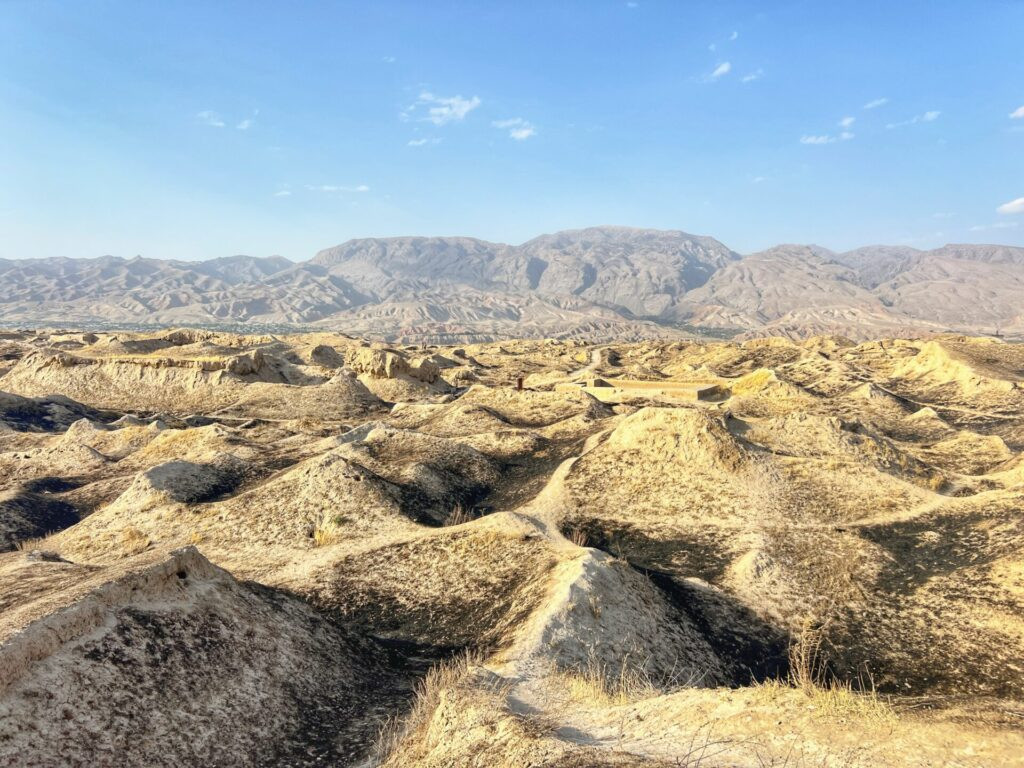
The areas which hadn’t been excavated were only distinguishable by mounds of dirt.
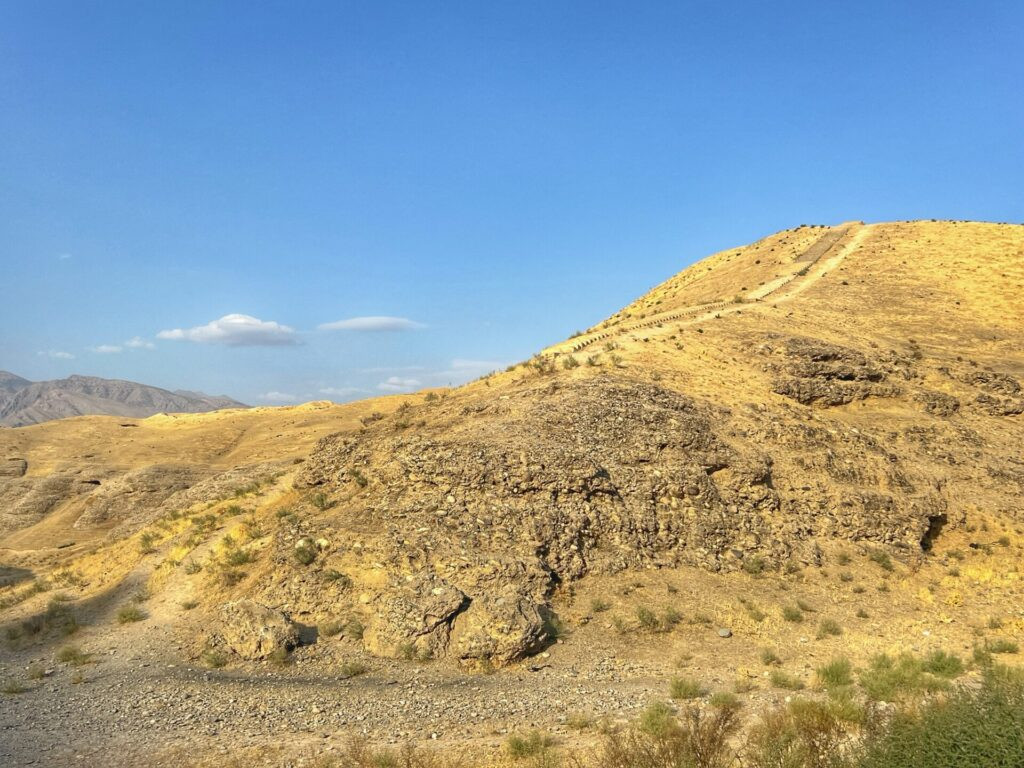

One of the entry points was simply a large staircase that carried you to the top. Interestingly, at some point, the US worked with Tajikistan to completely restore the defensive wall of the city.


