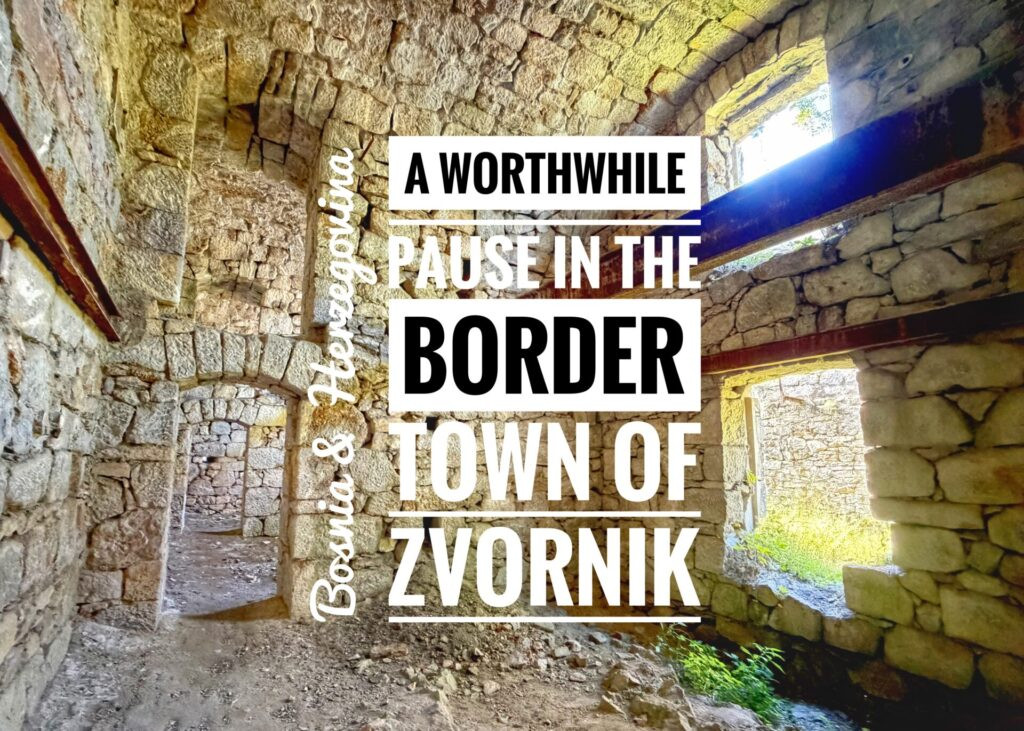
Arriving to Zvornik from Valjevo
From Valjevo, our next destination was Sarajevo, where we’d be spending the next five weeks. Unfortunately, there was no train option. The railway heads southwest into Montenegro, not Bosnia & Herzegovina, so for the first time in Serbia we had to rely on buses. We figured getting to the border—and then Sarajevo—would be simple. Wrong. What started as a logistical headache unexpectedly turned into a night in the beautiful mountain border town of Zvornik. But first, we had to get there…


Unlike Serbia’s excellent train system, the buses are privately operated and gloriously disorganized. There’s very little information online, no app, and not even a central station. Thanks to ChatGPT, we tracked down two companies in Valjevo—Europa and Lasta. Lasta felt like a forgotten Yugoslav time capsule. The only person inside was a housekeeper lazily buffing the floor with a cigarette dangling from her lips. No employees. No schedules. Nothing.
Europa, thankfully, had someone working. They confirmed what ChatGPT had already told us: we’d first have to travel north to Šabac before catching another bus toward the Bosnian border.
What we weren’t expecting was the price—$7.50 per person for a one-hour ride, plus another $2 per bag. Considering a comparable Serbian train ride costs about $2, that stung.
Anyhow, we didn’t have the cash, because we were leaving the country so we took our bags onboard, trying to explain to the driver “Nyamame,” which in Bulgarian means “we don’t have.” Fortunately, those words semi-translated in Serbian and he got the point and gruffly waved us onward.
Ugh. I could really use a cig now. Too bad Serbia officially banned cigarettes on buses in 2010.

Since I didn’t get to puff one, at least the views out the window were nice.

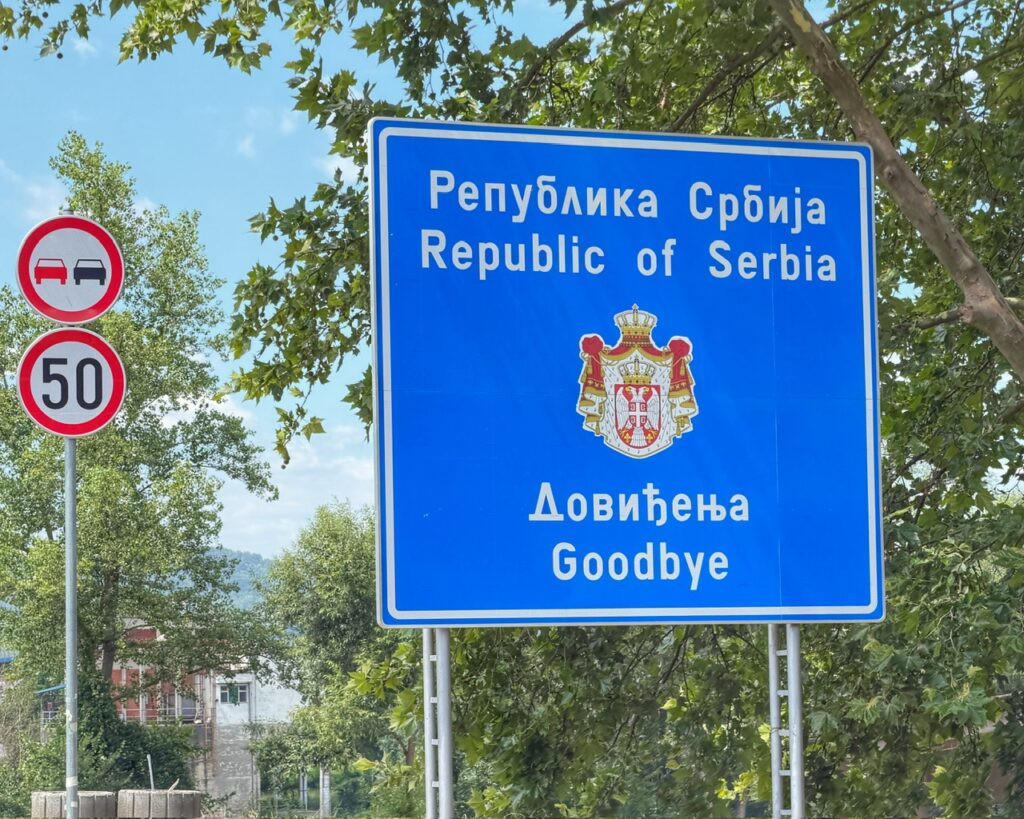
Arriving to Šabac, there were no direct buses to Zvornik….only to Mali Zvornik, which is the diminutive sister across the river, which only become a border town during the Yugoslavia split.
What does this mean? It’s STILL in Serbia. Thus, we’d STILL have to walk ourselves to Bosnia.
Fortunately, we learned on the bus ride (Chat saves the day again) that the King Alexander Bridge from Mali Zvornik to Big Zvornik only allows locals to cross, so we asked the driver to let us off at the northern Karakaj Border Crossing instead.

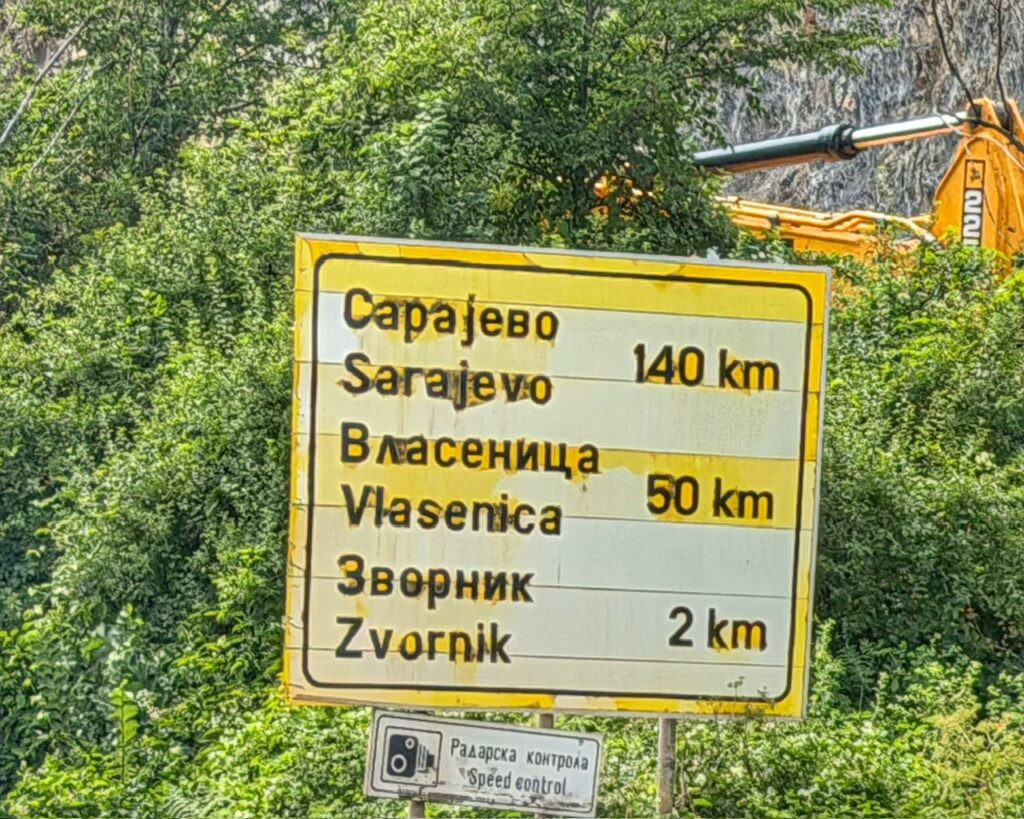
After stamping us out of Serbia, we quickly realized no-man’s land was a lovely setting on the Drina River, but, without a taxi in sight, we still had to find a way to get to Big Zvornik. Which wasn’t exactly a walk in the park with our bags and hunger…

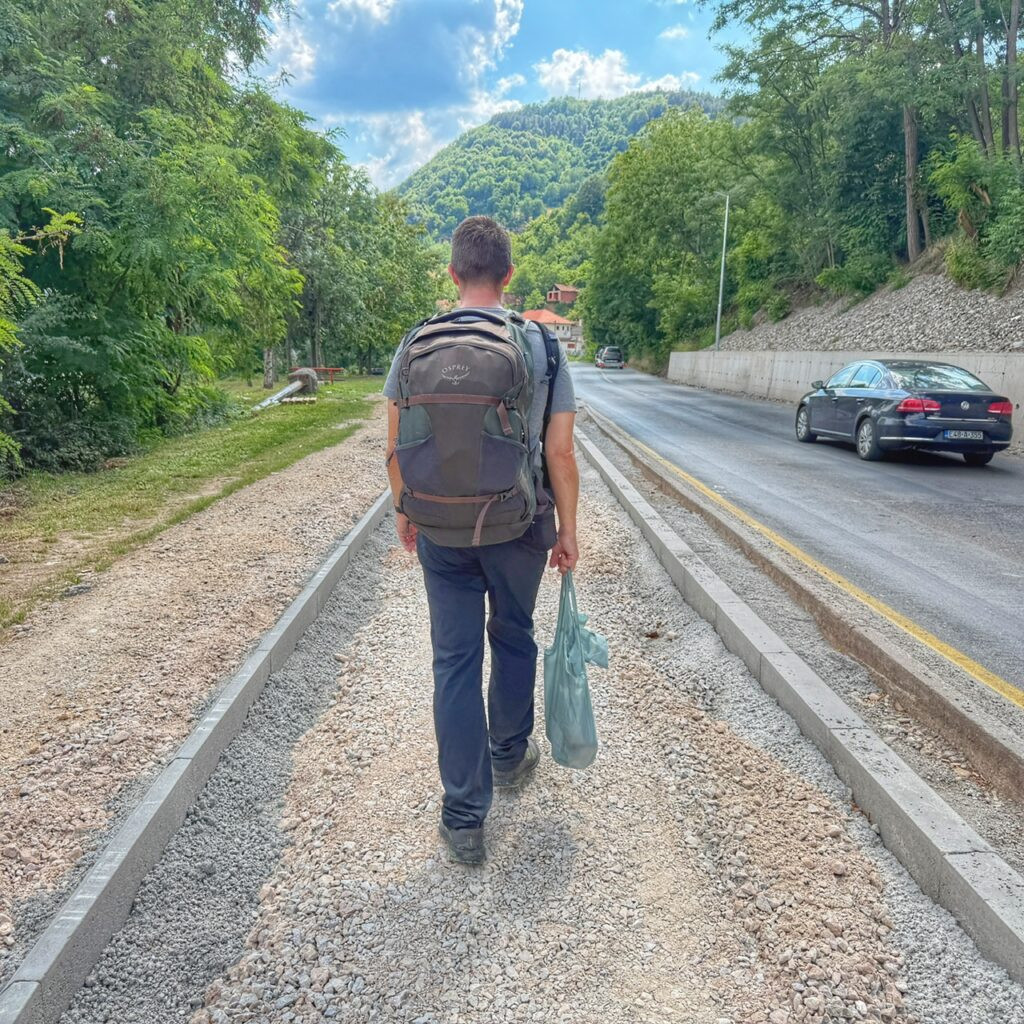
…which in part, got resolved at Pop’s, the first restaurant we saw about 30 minutes later. Amazing how healthy eating disappears the moment travel gets complicated. 🤣 Anyhow, two fast food meals cost about $11….
Unfortunately, as we continued on our merry way, the “sidewalk” was more of a future infrastructure project than a current one, so I spent much of the walk carrying…rather than rolling…my new backpack.


Finally, Zvornik appeared. Taking a pause under some shade, before finally, the rocky tundra gave way to a smooth concrete promised land upon which I (but not my envious husband) could roll.


We made it! Our well decorated and air conditioned apartment for the night, which was a great value at $31, including a kitchen.


It wasn’t until we went out later that evening, we were reminded we had crossed into a new land, one spired with minarets…

…and creatively-named grocery stores.

While shopping, we found the pedestrian bridge connecting Zvornik and Mali Zvornik. Sure enough, an officer was waving locals across while the sign confirmed exactly what ChatGPT had told us: locals only.
Given that the US had beaten Bosnia in the World Cup the day before, bribing our way across probably wasn’t our best strategy so we’re glad we had detoured to the other bridge.
We stopped by the tiny bus station to confirm the next morning’s departure. Thankfully, there were plenty of buses to Sarajevo’s East Bus Station…which, naturally, is located in the west.
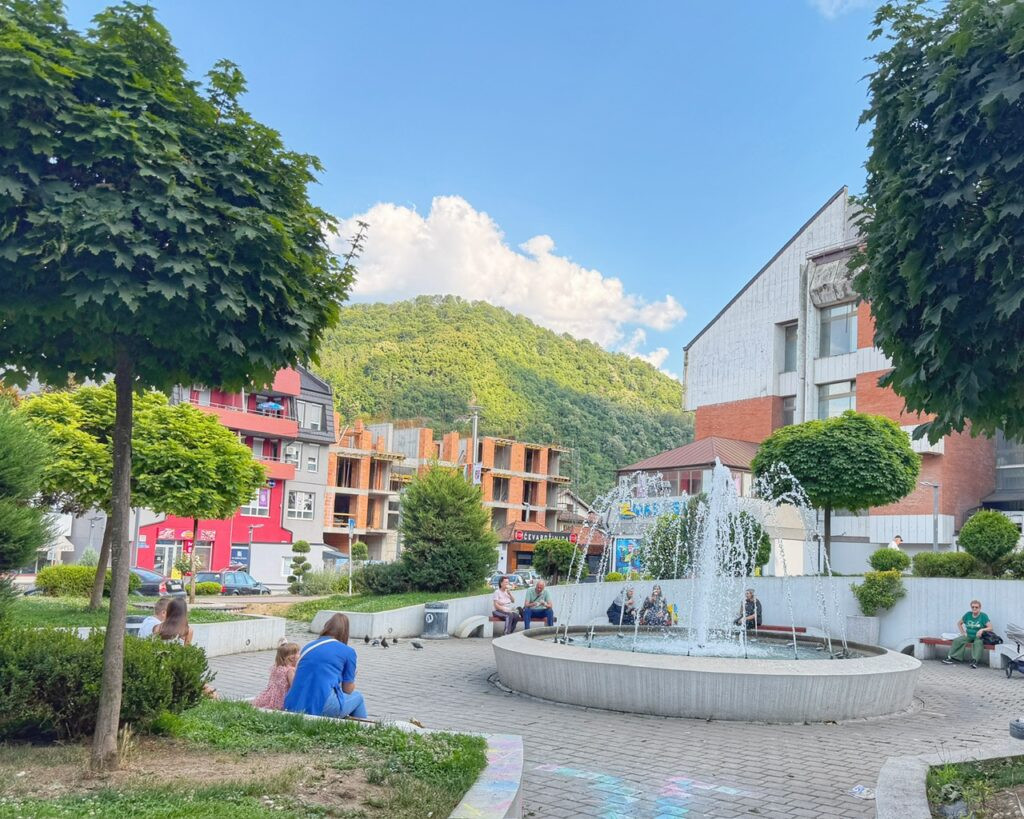
Exhausted, we did a quick look around Zvornik…


Noted that our building’s door was wide open with lots of bikes to steal, and called it a night after socks in….the supermarket….proclaimed this? Fortunately tomorrow morning, we’d enjoy Zvornik a little bit more…
Exploring the Fortress Ruins of Zvornik
Zvornik is one Bosnia & Herzegovina’s oldest continually inhabited towns, perfectly perched on a poetic bend in the Drina River. This stunning setting served as a crossroads for centuries…a border town first mentioned in 1410 as a prosperous trading center where merchants, cultures and armies collided. It was captured by the Ottomans in the mid-15th century and the fortress overlooking the city was expanded, along with mosques, baths, markets and workshops typical of an Ottoman frontier town. This was followed by an Austro-Hungarian takeover (1878), which eventually gave way to Yugoslavia.
The tumultuous times of Zvornik does not stop there.
In more recent years, it experienced severe violence during the Bosnian War (1992-1995). The town’s Bosniak population (southern Slavs whose historical and cultural identity is associated with Islam) suffered ethnic cleansing, killings, and displacement during the early days of the conflict. Today, Zvornik is part of the entity of Republika Srpska, while many former residents and their descendants live somewhere else.
Needless to say, this recent historical period remains deeply significant and senstive. During many of these sagas, the ruined fortress soaring above the town served as a prominent defensive site, but today sits as peaceful and weathered relic of chapters closed. We were grateful for the opportunity to visit.

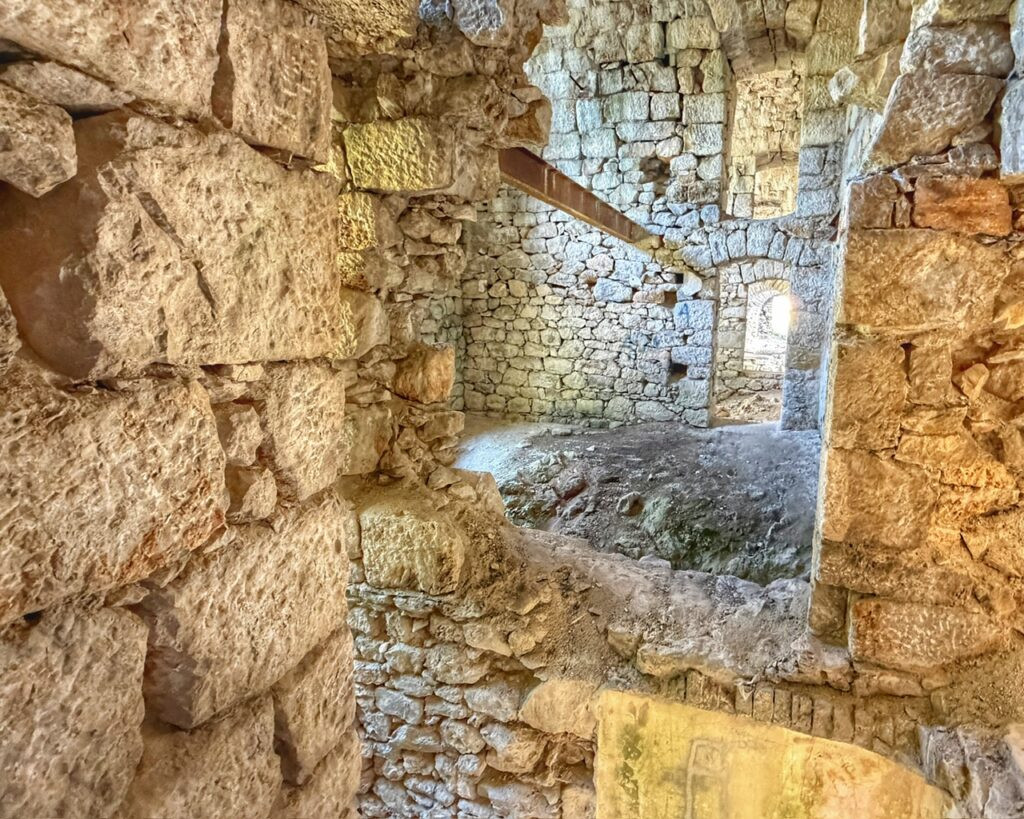
The Zvornik Fortress has watched over the Drina River for more than 600 years. Of course, thanks to its commanding position, it also offers magnificent views. Zvornik doesn’t receive nearly as many visitors as Sarajevo or Mostar, but this why we loved it. It has the aura of a genuine working, border town where medieval, Ottoman, Austro-Hungarian and modern Balkan history all overlap.
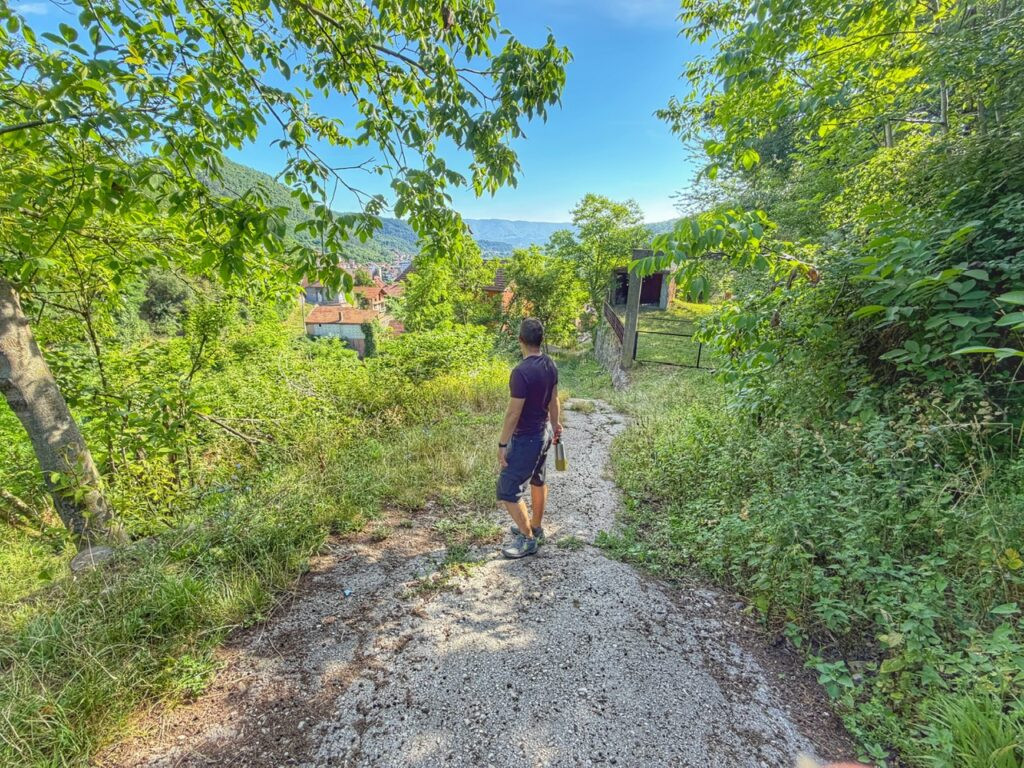

To get there, we hiked from town which only took about 35 minutes. As we weaved our way alongside picturesque countryside homesteads, the occasional guffaw of a rooster would tap our ear drums, as we met several greeters who delightfully reminded us we’re back in Cat Country. CAT
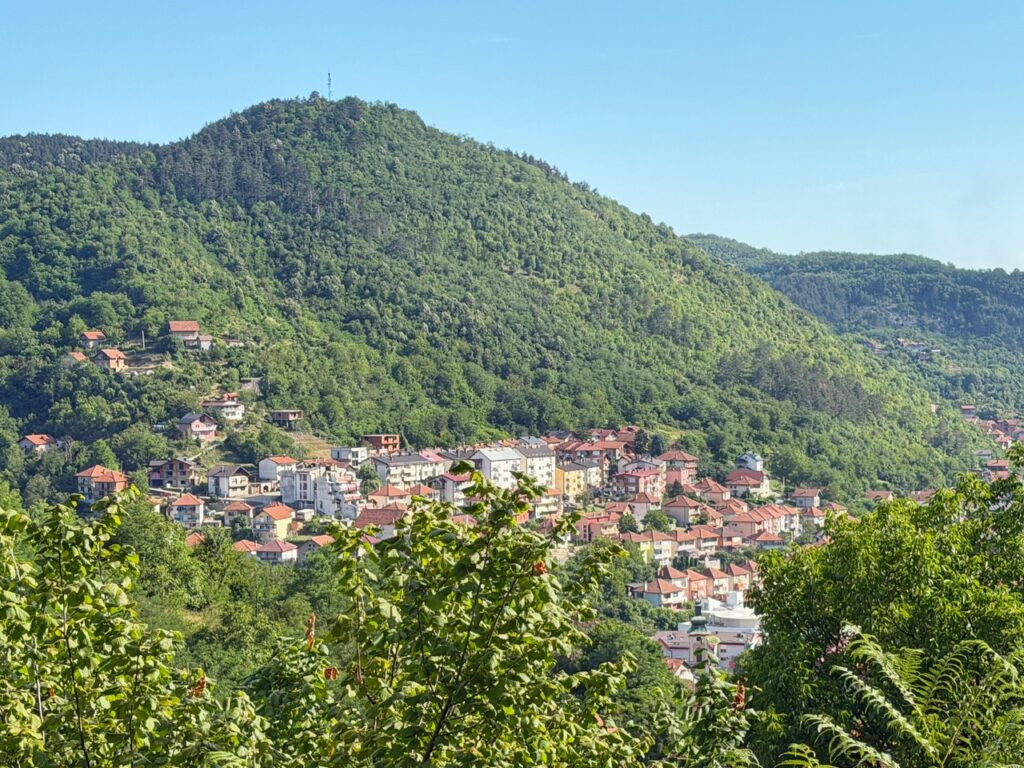
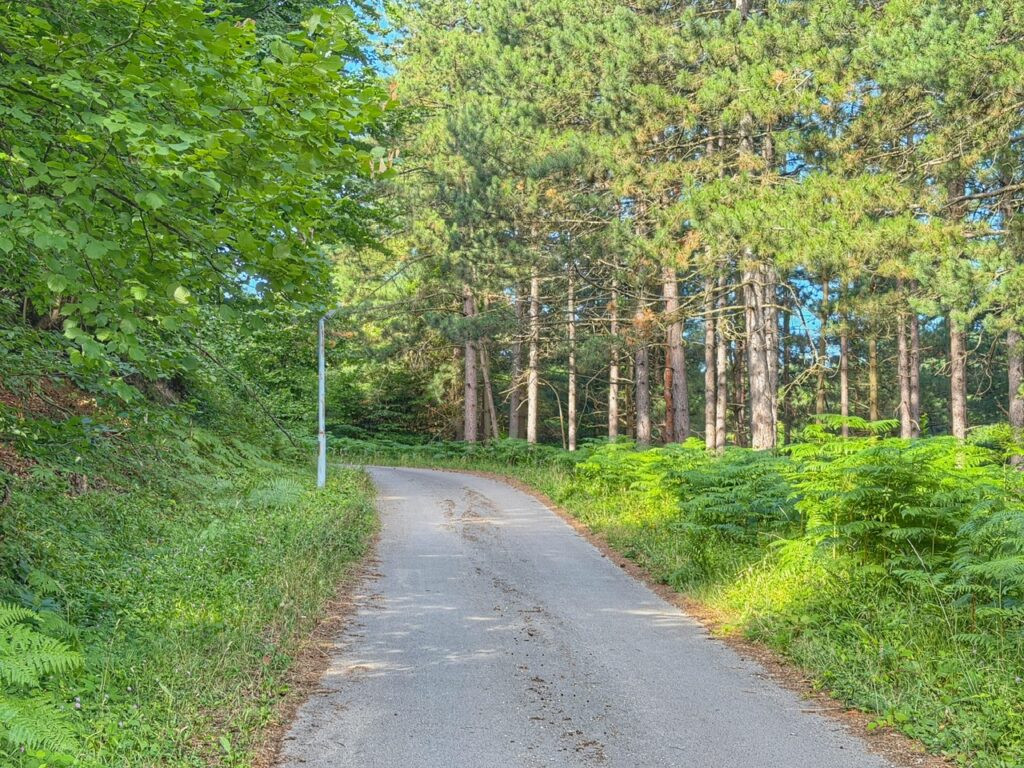
And naturally, the more we climbed, the better the views continued to unfold. The lushness of the forest was also inviting.
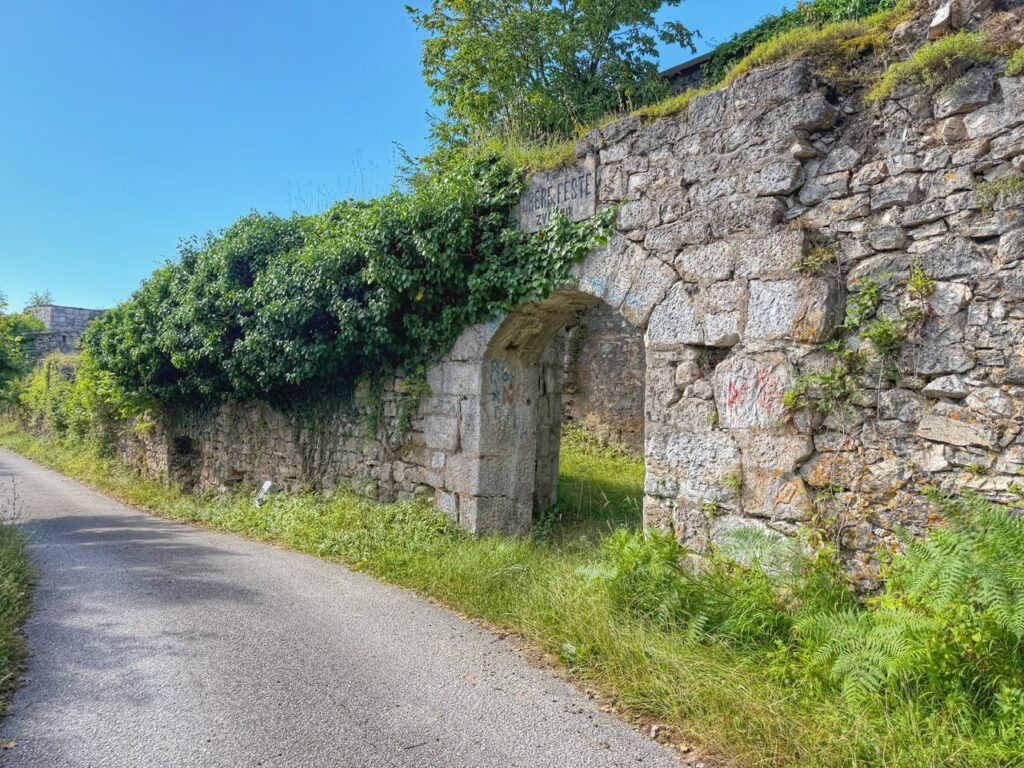
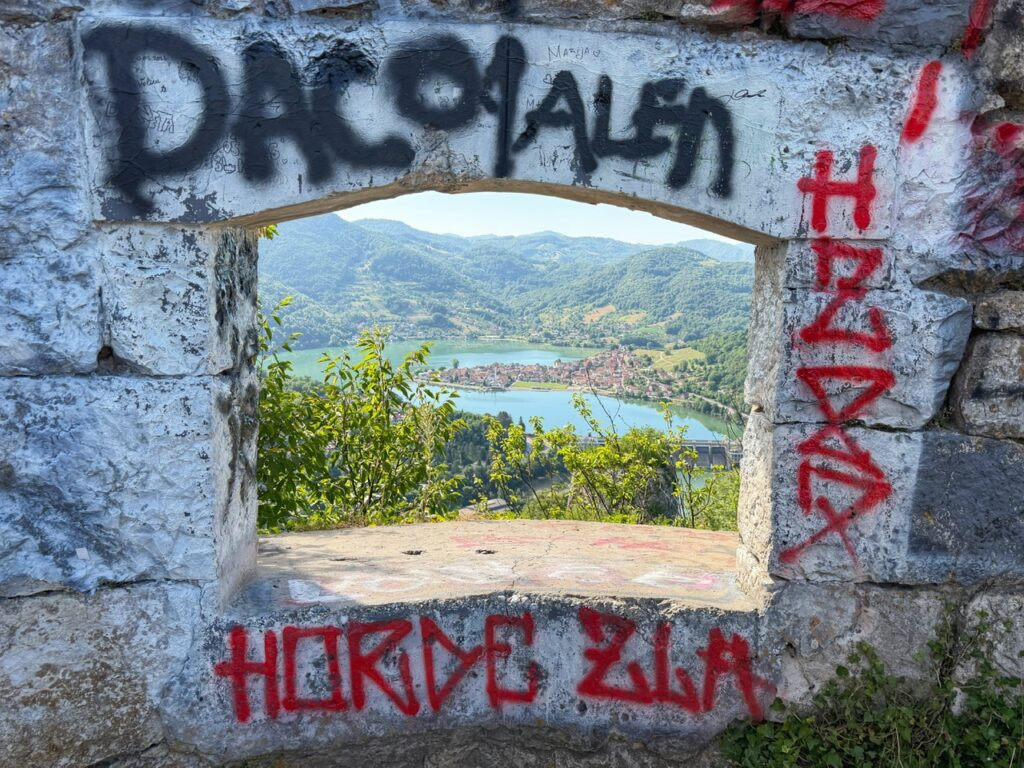
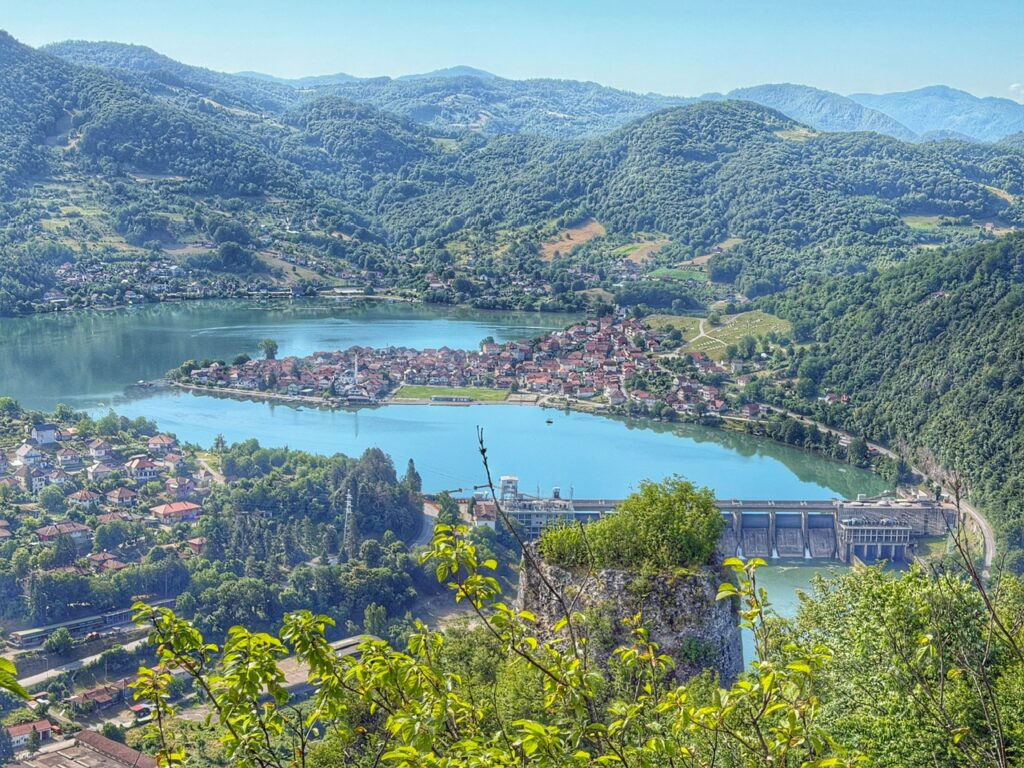
Finally, we arrived to the edge of the fortress, which we followed to the end of the trail for peekaboo views through the remaining fortress walls. Unfortunately, some Sarajevo football junkie had decided to leave their mark atop the historic masonry, which is what “Horde Zla” is referring to.
Through the window you could see Zvornik below, as well as Mali Zvornik across the river in Serbia. Also, a dam, which is part of the Zvornik Hydroelectric Power Plant, completed in the 1950s.
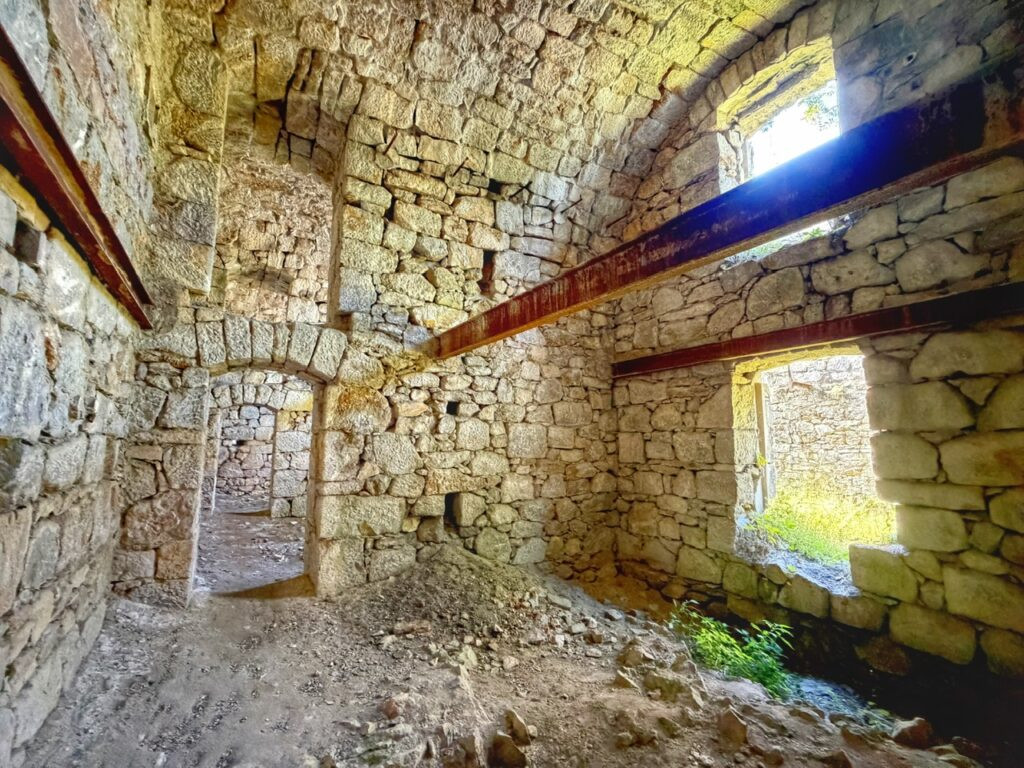
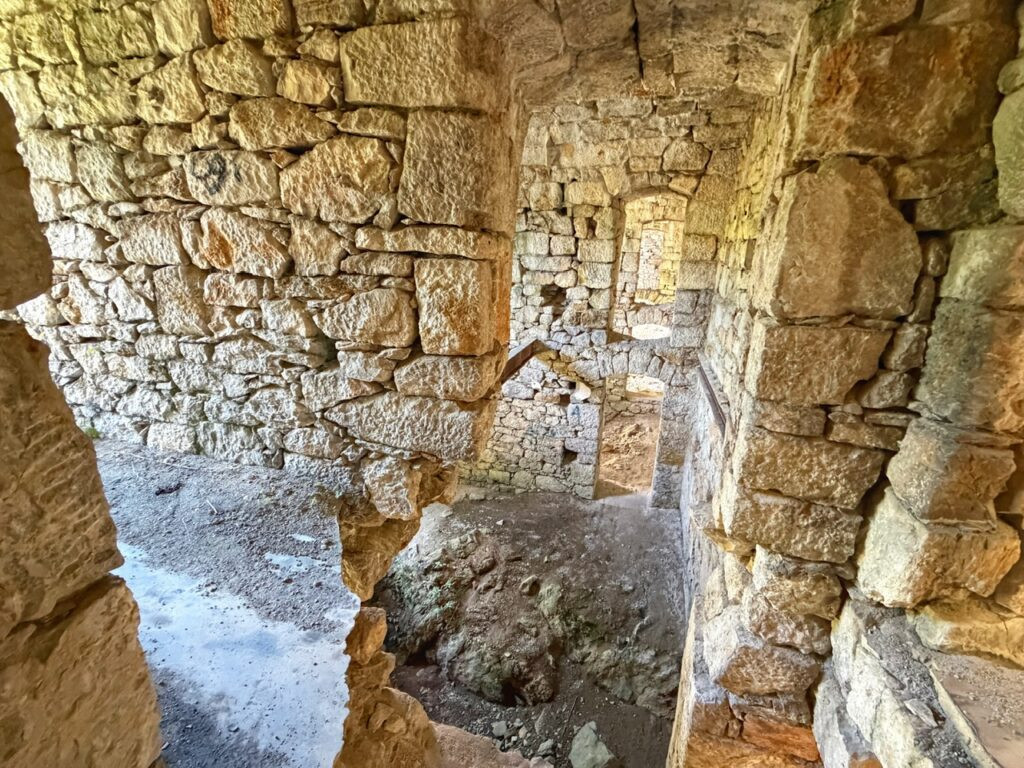
But the best part about the fortress (besides being free)?! We were in blissful solitude as we ambled inside to absorb its energy. Just the way we like it!
Historians believe the fortress was built in the late 13th or early 14th century, but it wasn’t first mentioned in writing until 1410. Many empires left their mark…medieval Bosnian nobles, the Serbian Despotate, the Ottoman Empire, and later, the Austro-Hungarian. Each added or altered parts to its defenses.
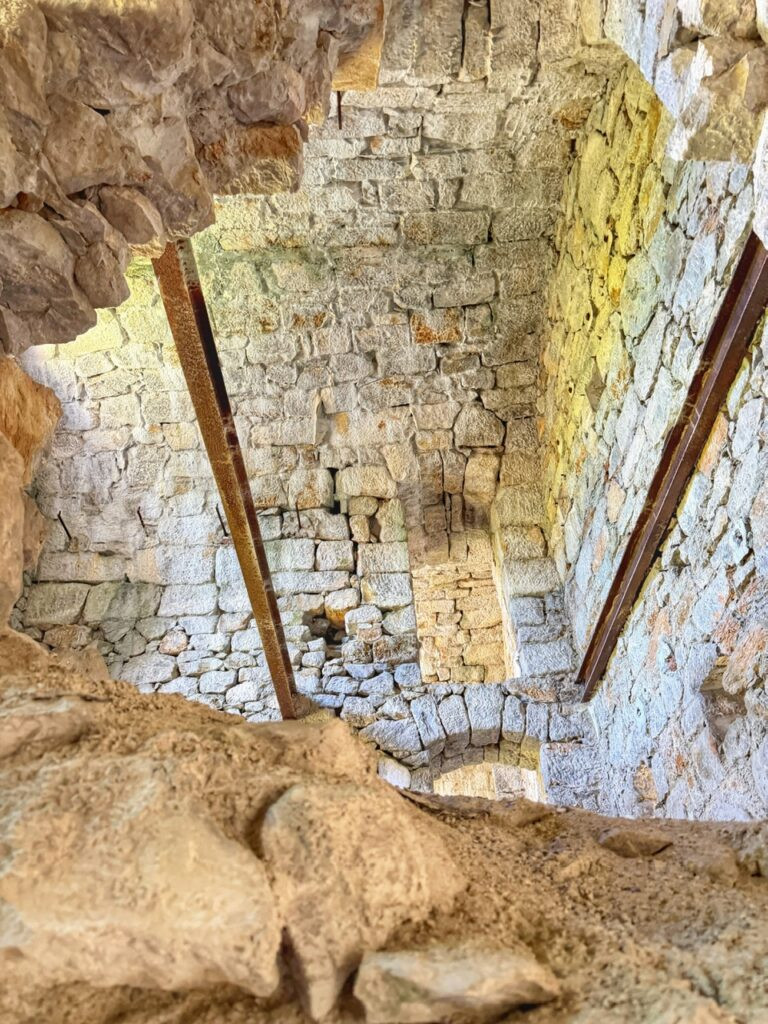
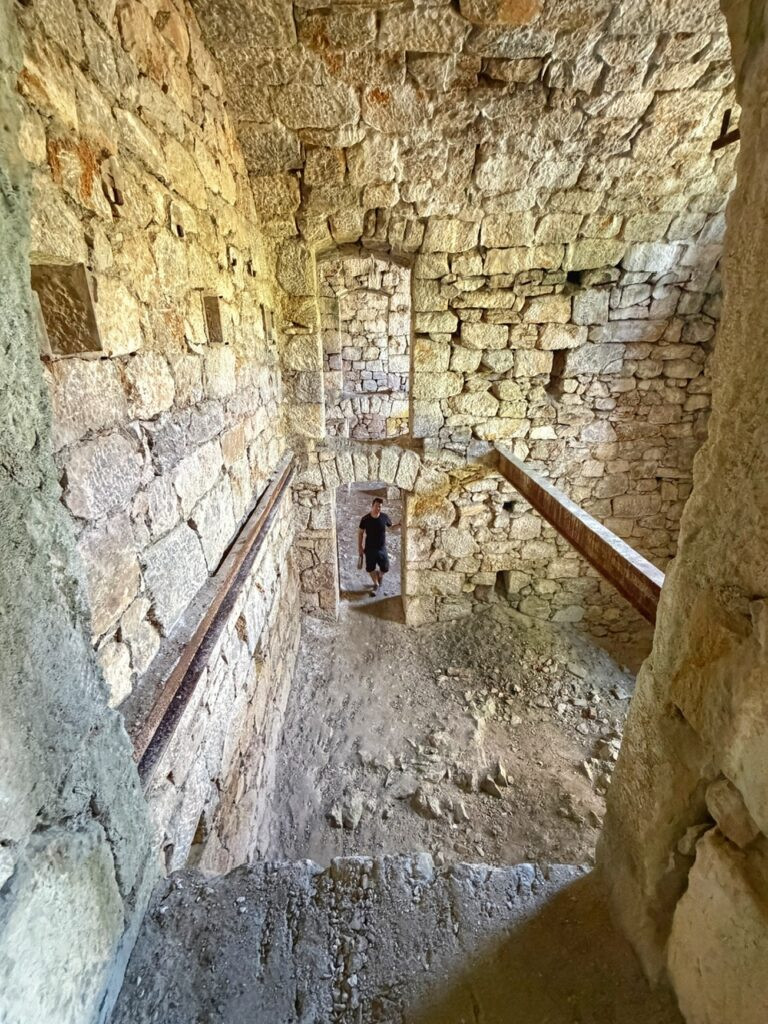
With its peace and tranquility, it’s quite mind-blowing, and heartbreaking, when you realize this “ancient” site was used just 35 years ago in much the same barbaric way it was used in medieval times. War, and man, continue to be, so nauseating. On a lighter note, where’s Greg?!
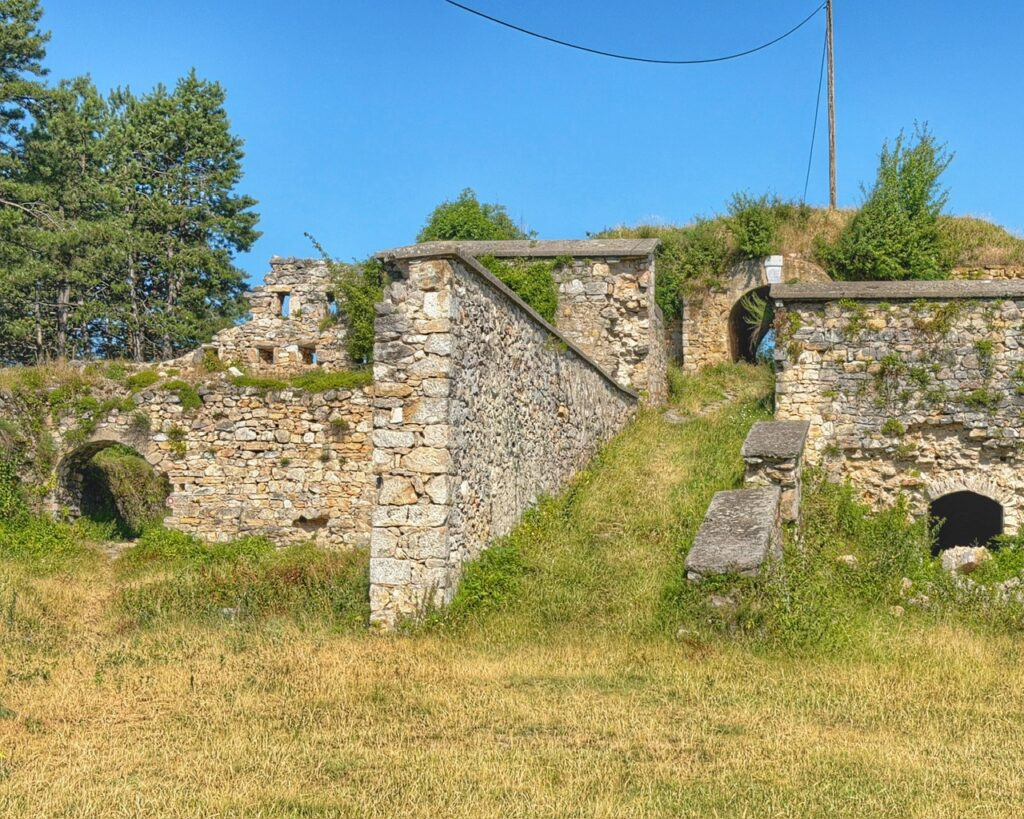
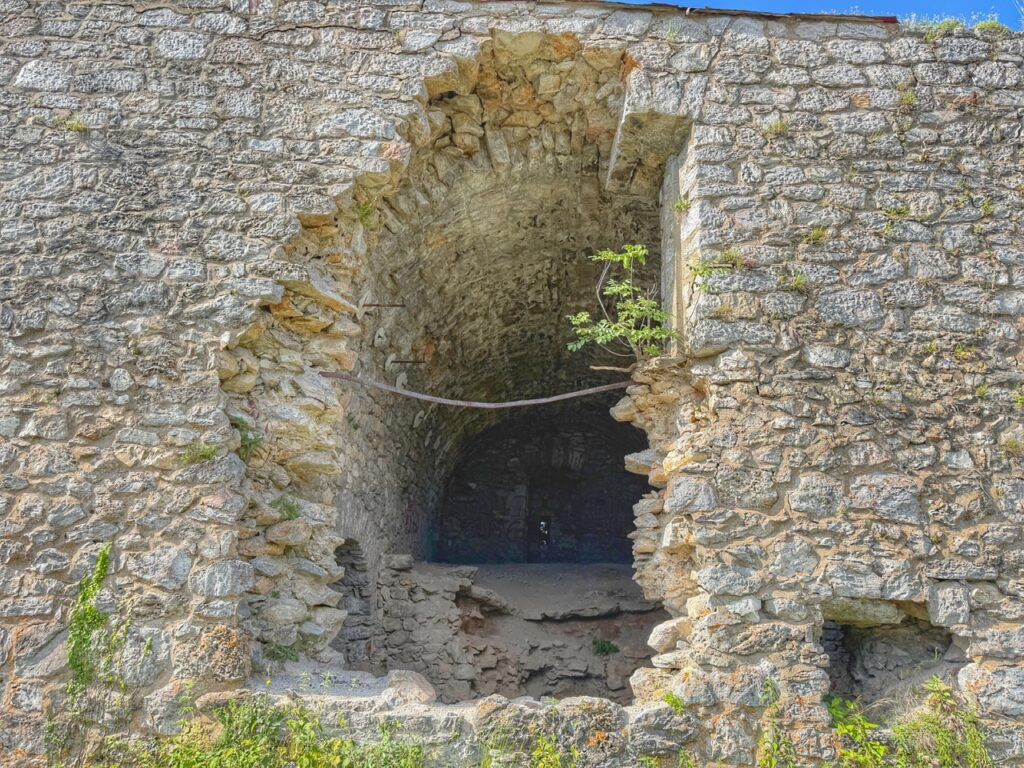
The complex has three sections…lower, middle and upper town, which were all fair game for discovery.
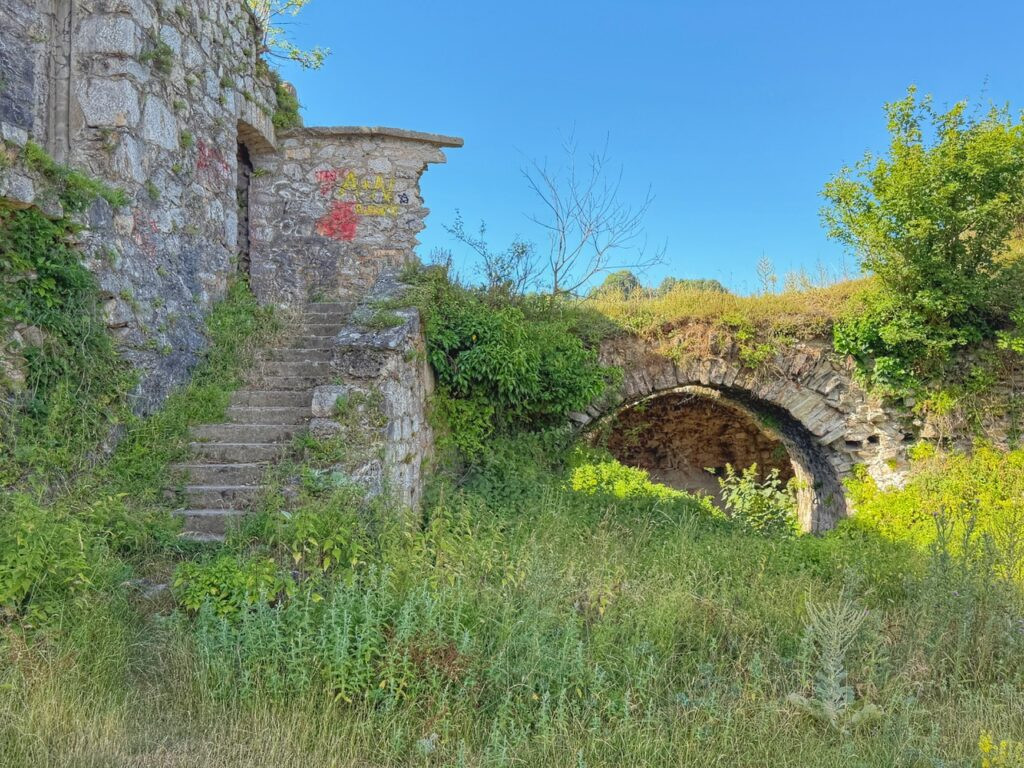
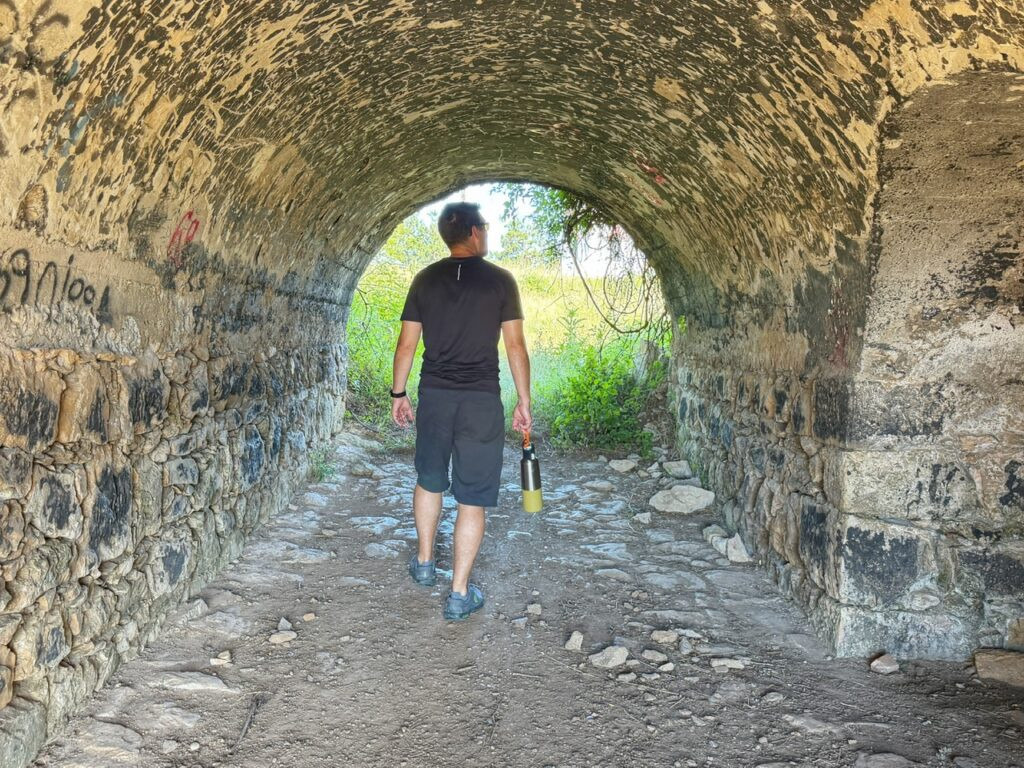
And truly worth the effort. If these tunnels could talk…
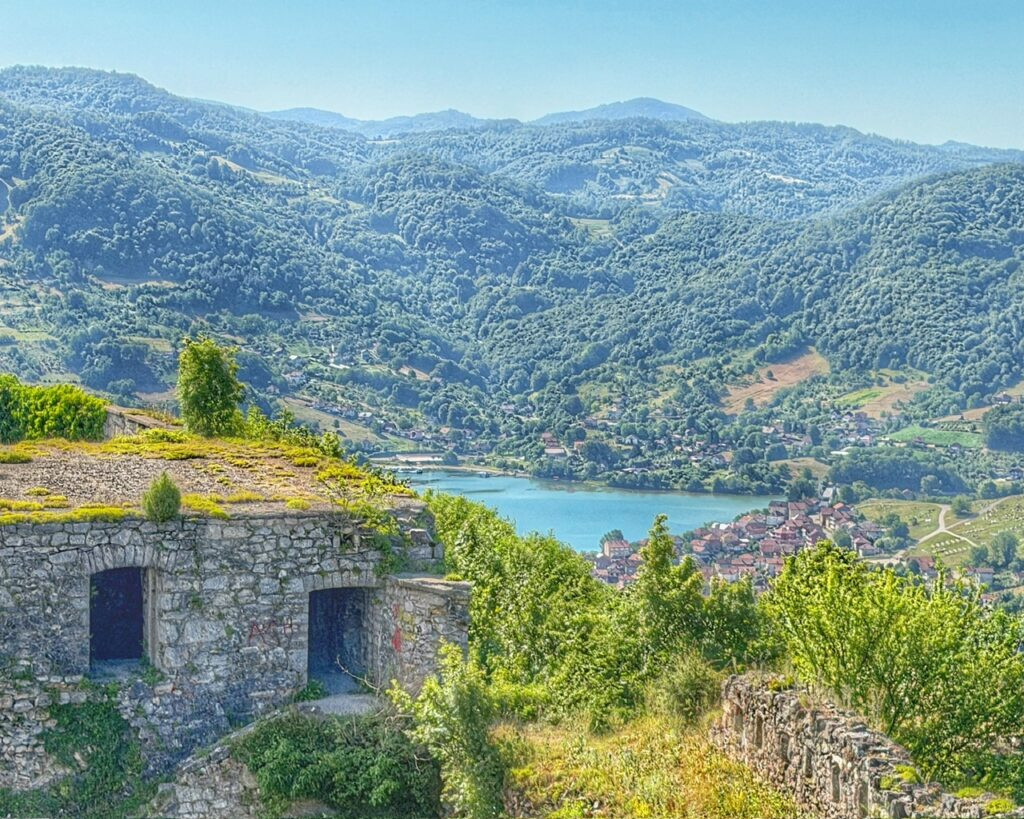
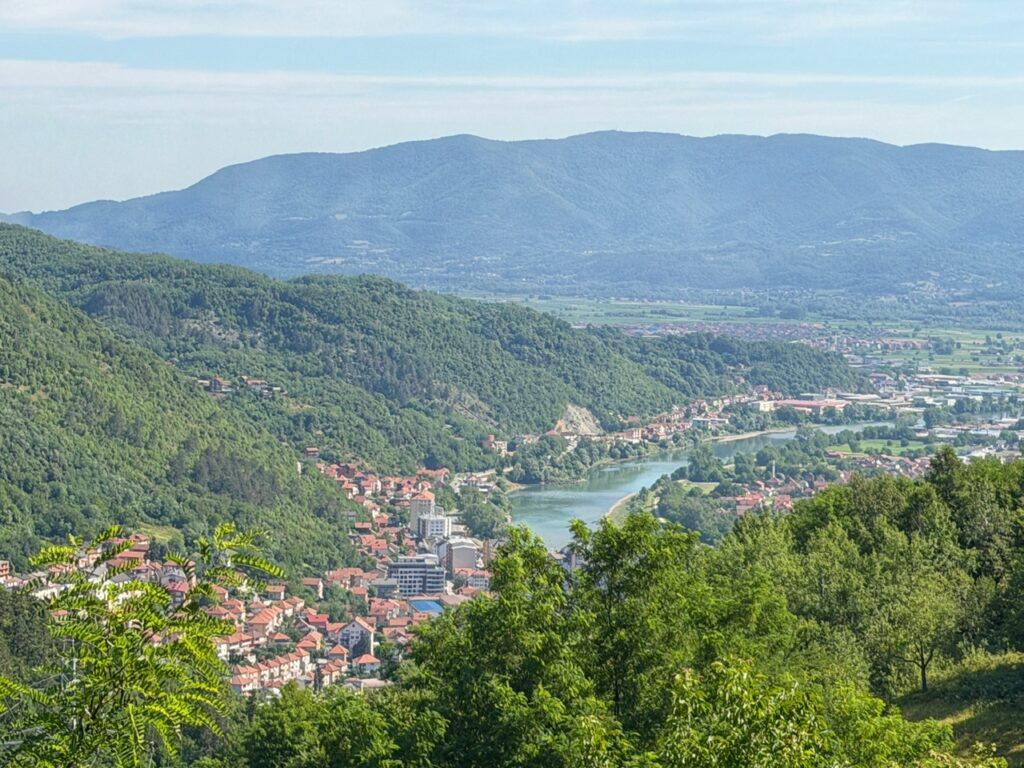
Heading up to “Upper Town” for some more delicious views, we were very glad we’d stopped over in Zvornik.