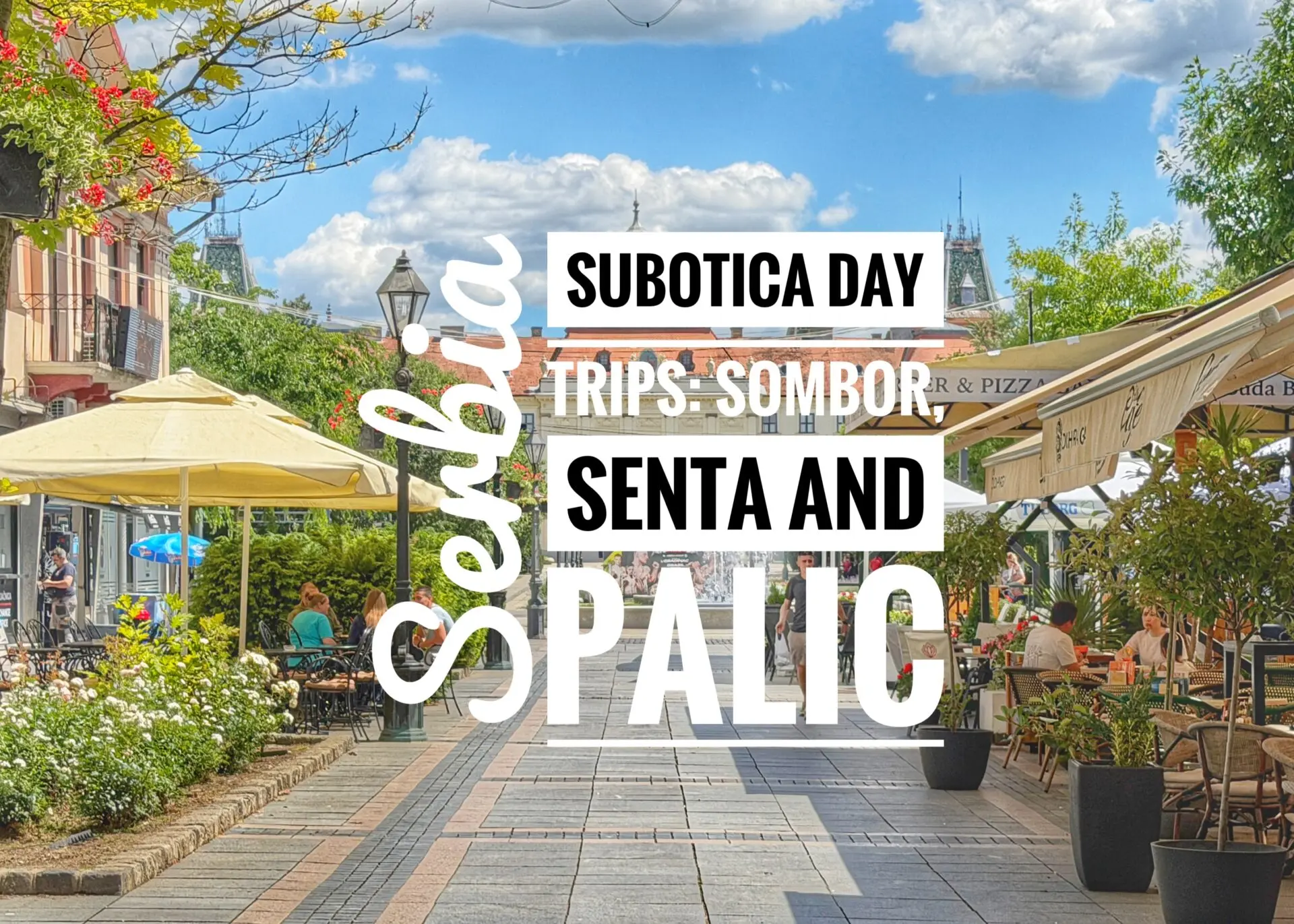
The Handsome Resort Town of Palic
Just down the road from Subotica about 8 kilometers lies yet another gem of Vojvodina, the handsome resort town of Palic. You can access it easily from Subotica, either by train, local bus (#6) or bike, and it’s a idyllic place to spend a leisurely day exploring more ravishing architecture while enjoying the beautiful natural lakeside promenade and parks, biking or wine-tasting. Our original intention was to secure bikes for the month of June, but unfortunately that has proved challenging, so we ended up taking the bus from Subotica which delivered us to the lake in about 20 minutes for a little over a $1 a ride.
According to local folklore, the lake was created from the tears of shepherd named Paul (Palí) who cried after losing his flock. Another popular myth claims it is a remnant of the ancient Pannonia Sea which seems more feasible than a sea of man tears. Modern geology says neither is quite true (shocking), but they remain part of local culture. (Visit Palic).
The lakeside town later became Serbia’s spa destination in the late 1800s/early 1900s where wealthy visitors would arrive by train, often from Budapest, and enjoy the supposedly healing salty water and mud. Unfortunately, much of the lake is not safe for swimming today due to algae growth, but that seemingly doesn’t stop other water sports like kayaking, boating, and stand-up paddle boarding from occurring.

Perched on the fringe of the lake, one of the buildings we gravitated to immediately was the Hungarian Art Nouveau Women’s Lido, built in 1912. According to a local guide on Google, it was built in 1912 with the intention to “hide female swimmers from the views of curious men.” 😆 The lake-facing side is open while the shore-facing side is enclosed for privacy.
The building has some unique attributes. We couldn’t help noticing the poles, which have vibes of tiki blended with Vietnamese field worker. These poles are actually conical wooden roof vents for the changing rooms. They are folk-inspired elements of Hungarian Secession architecture, alongside the hearts, peacocks and blue decorative splashes.
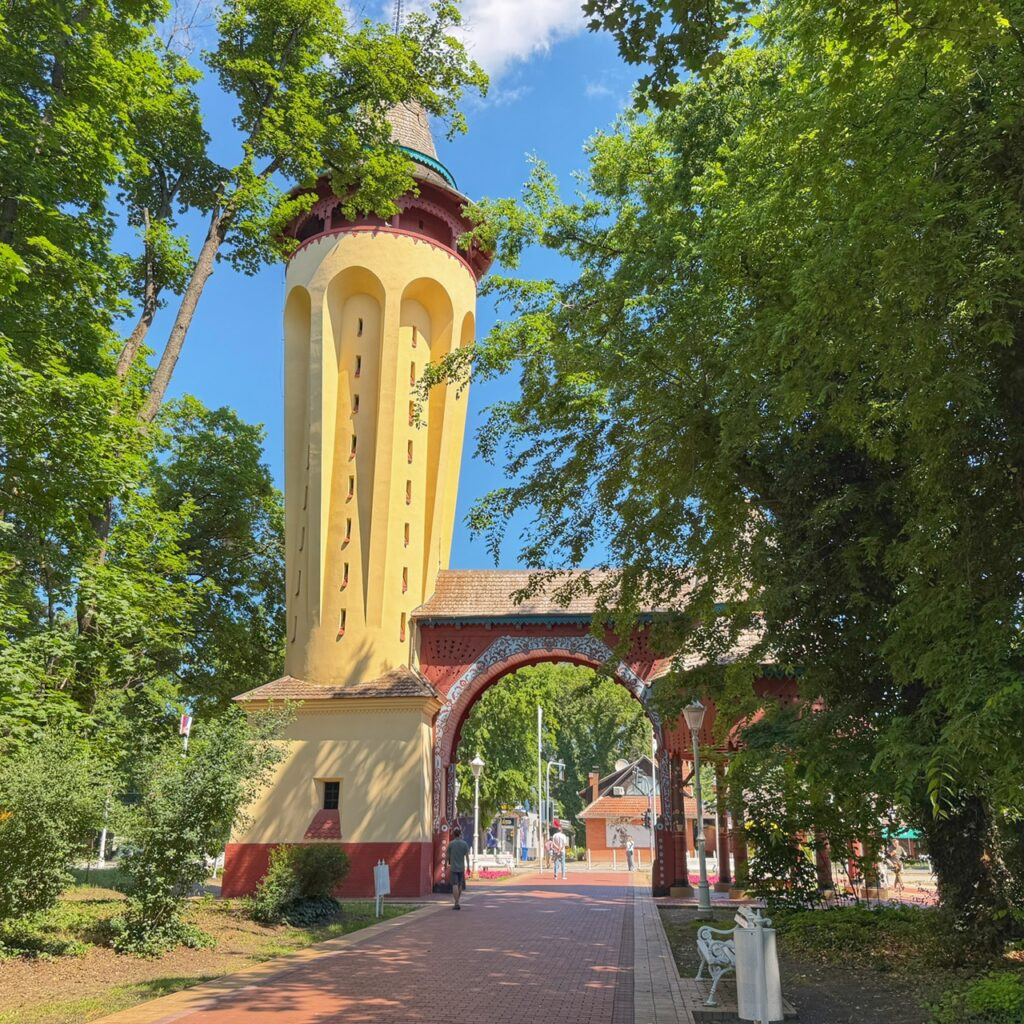
The iconic Palic Water Tower is the main landmark of the city, however, and you could once find it slapped upon any vintage postcard. When it was built around 1910, it served three functions at once…a water tower for the resort’s infrastructure, the grand entrance to the spa complex and a tram station for when a tram connected Subotica and Palic. Other than stepping off a bus rather than tram, the experience can’t feel much different today as you enter the grand park.
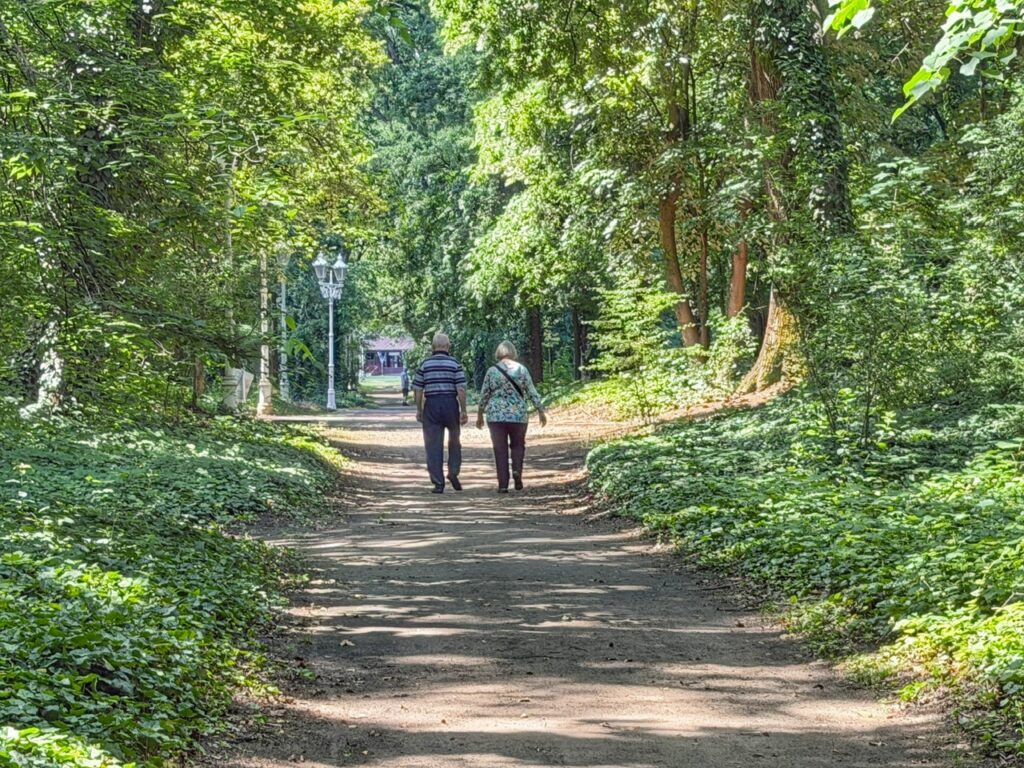
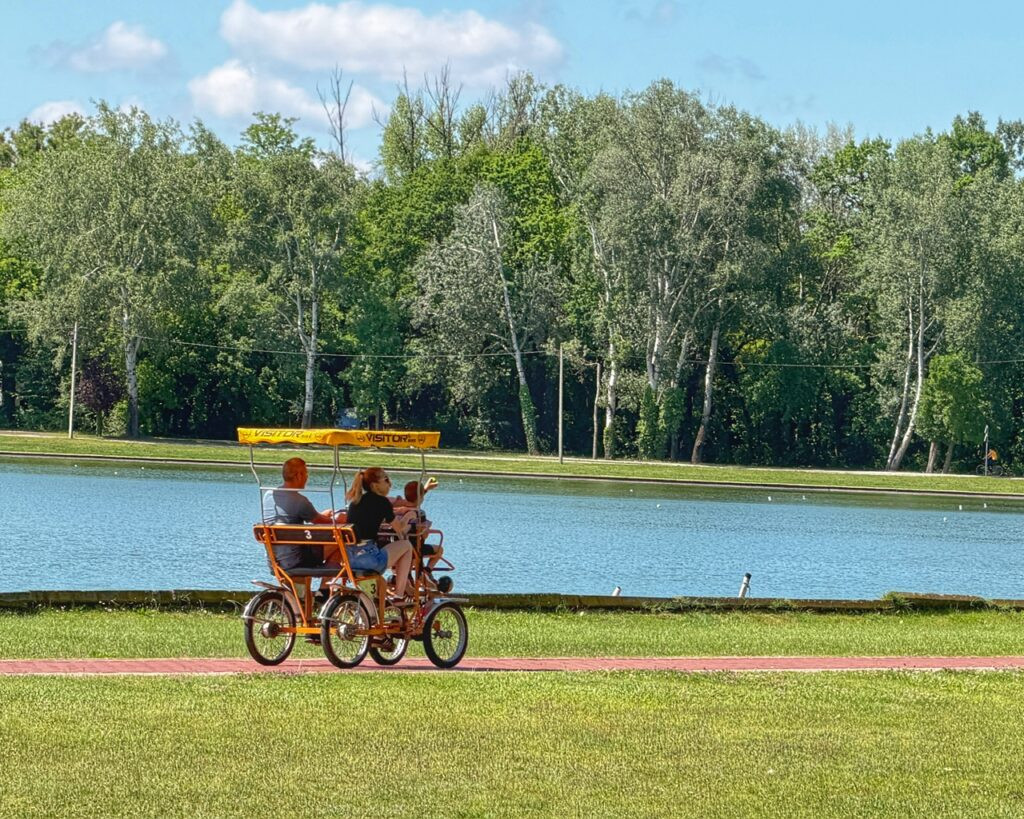
En route to the lakefront, the park is inviting and lush. Arriving to the lake, you’ll find lots of families bopping around in Euro carts with red-faced dads clearly doing most of the legwork. They are clearly labeled “visitor” (as if that wasn’t obvious.)
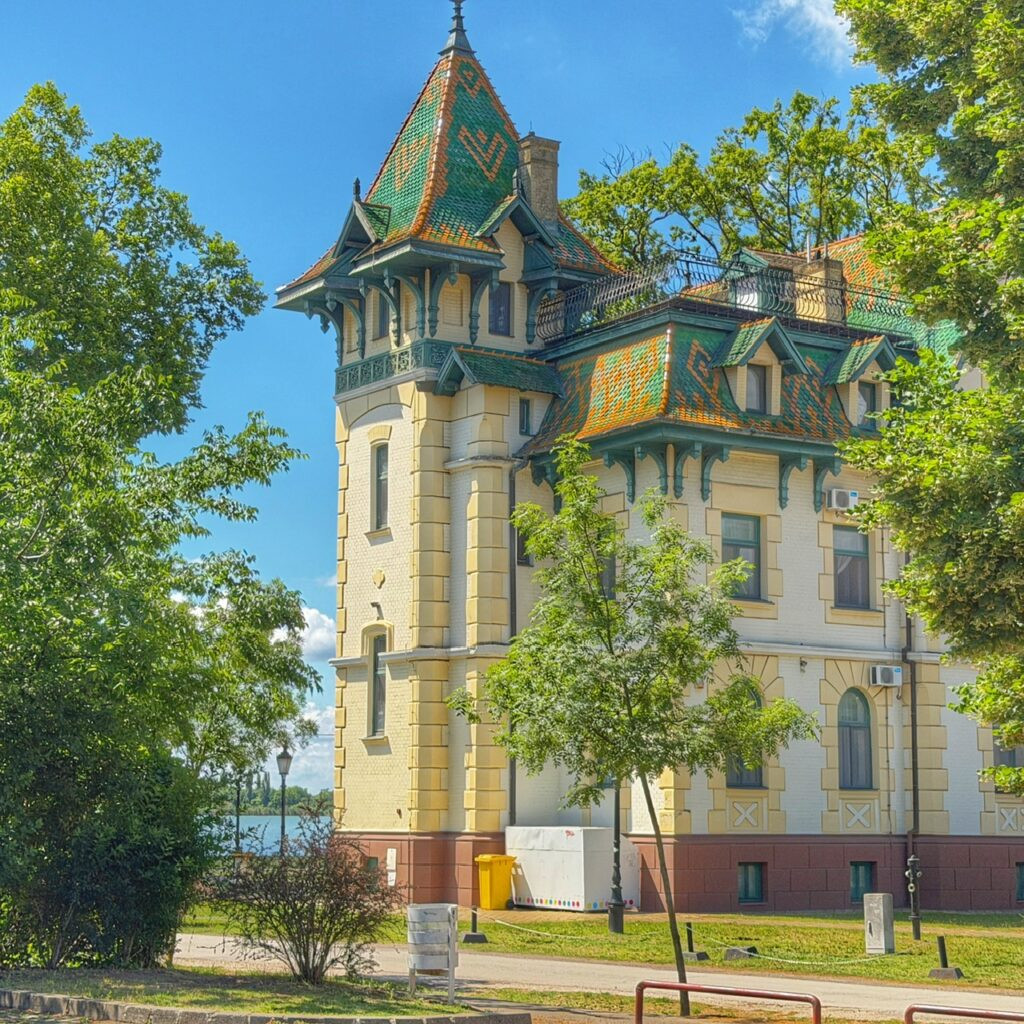
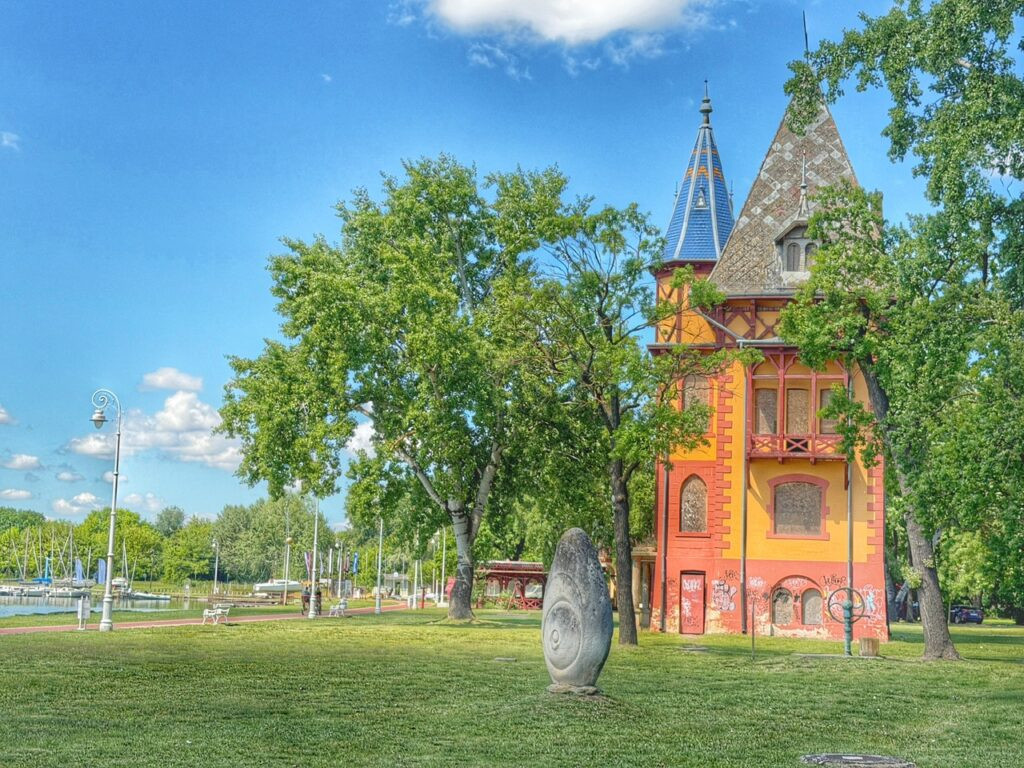
There are also many lakefront properties worth checking out, mostly topped with more of those beautiful glistening Zsolnay ceramics.
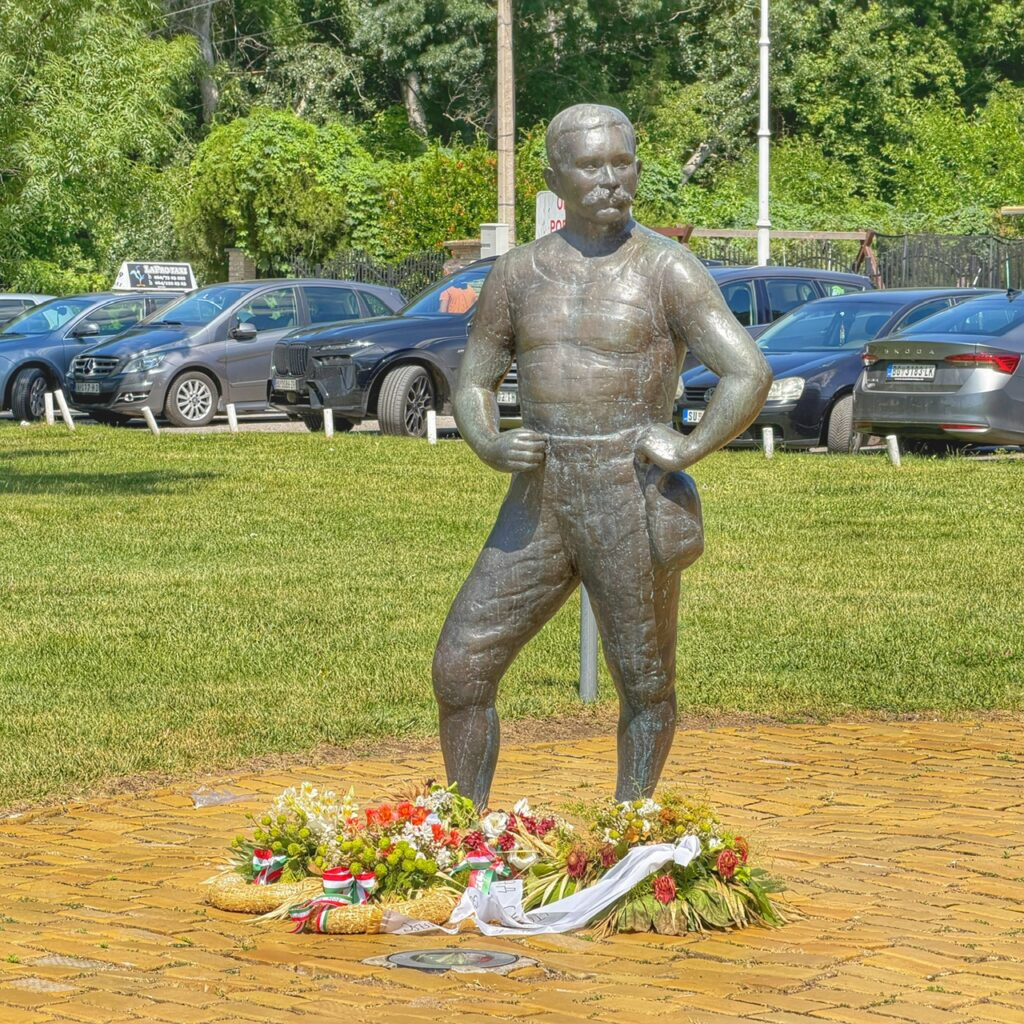
The Owl’s Tower (second photo) was built earlier, in 1892 in the Swiss style with a lot of wooden elements, though its roof was also donned with ceramics. It was built by Lajos Vermes, who was a prominent athlete and found of The Olympics in Palic in 1880, before the official establishment of the modern Olympic Games. He evidently built an entire sports complex around the lake with cycling, tracks, grandstands, exercise facilities and entertainment venues. The Owl’s Tower was supposed to be part of that vision and served as possibly the first Olympic hotel in Europe!
Sadly, it’s a bit crumbled today and not being properly maintained. We had an opportunity to chat with Mr. Vermes who said he was disappointed in that fact.

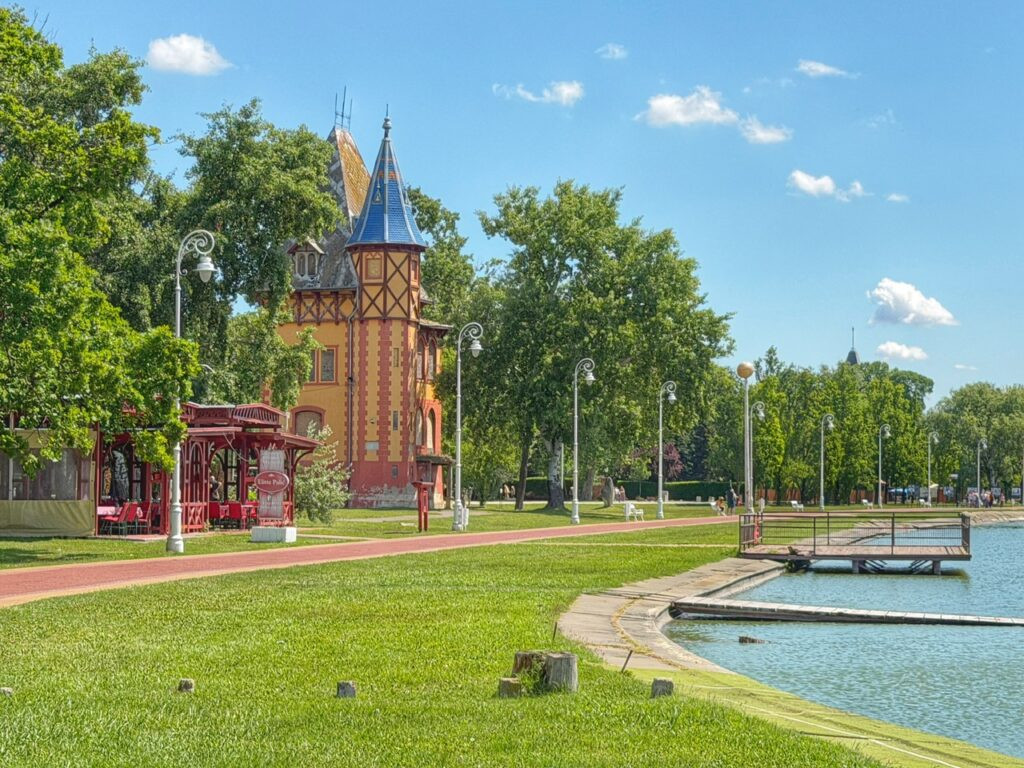
Boats on the lake all seemed to be operated on wind or paddle power, creating a quiet and serene atmosphere. That said, the lakefront promenade is perfect for walking or biking.


Another view of the Women’s Lido, and more details including some quite eccentric, and somewhat terrifying, gutter spouts.
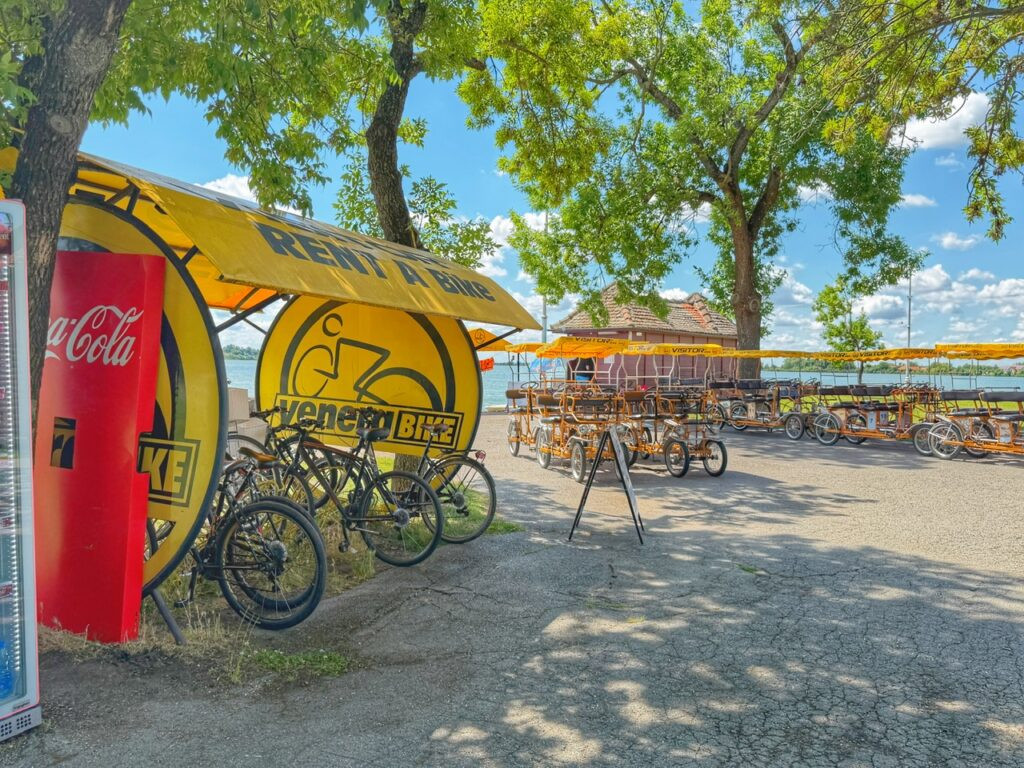

Next to the Women’s Lido, we found the place to rent bikes and the other four wheels contraptions, so we vowed to come back on another day for this activity. The prices were about $3/hour or $12 for the day for the bikes or $13/hour for the family buggies which you can cycle the whole lake in about 17 km. Plan to leave behind an ID or passport, however.
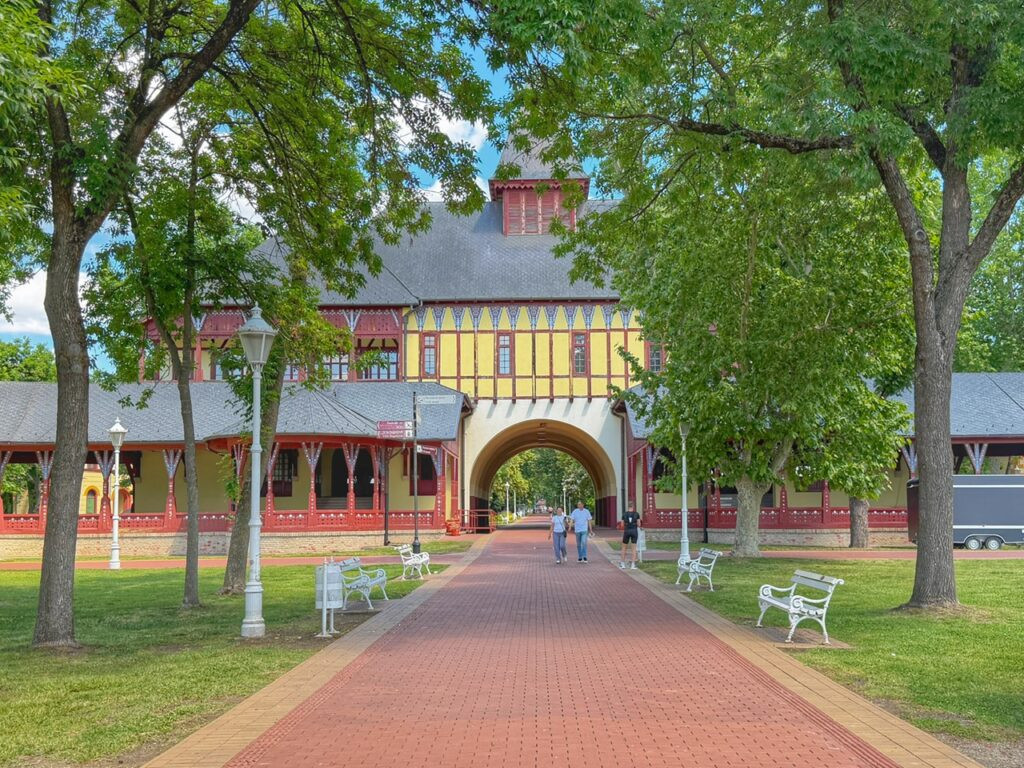
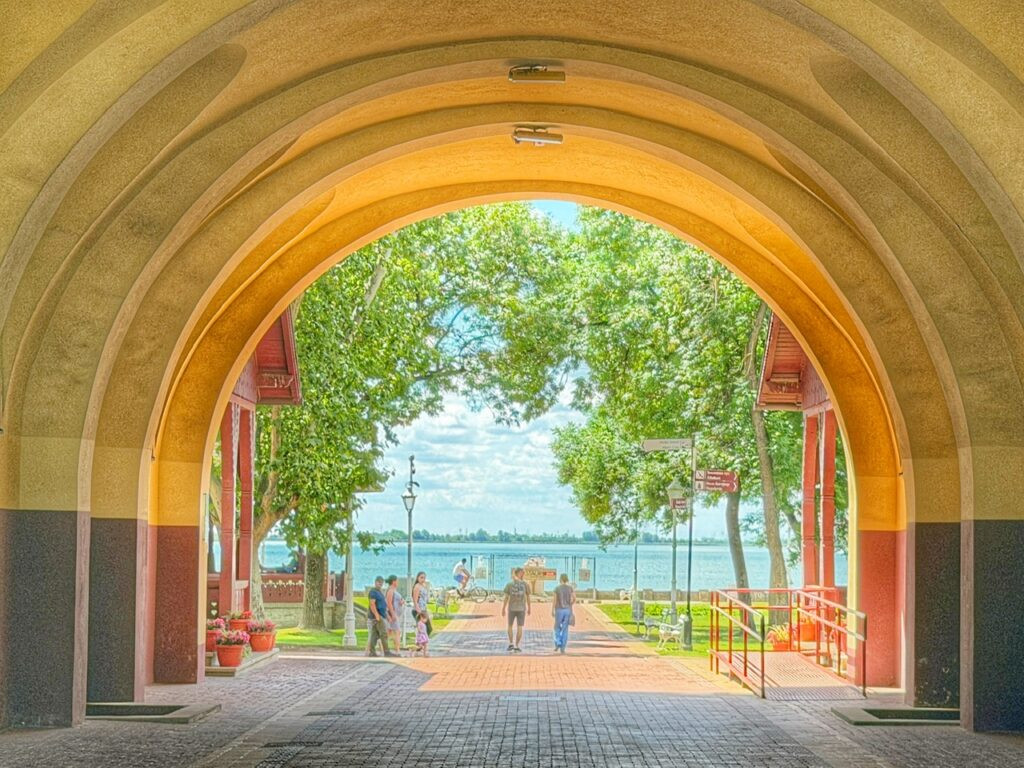
Part of the Grand Terrace, originally built for social events and entertainment. So wonderfully inviting!
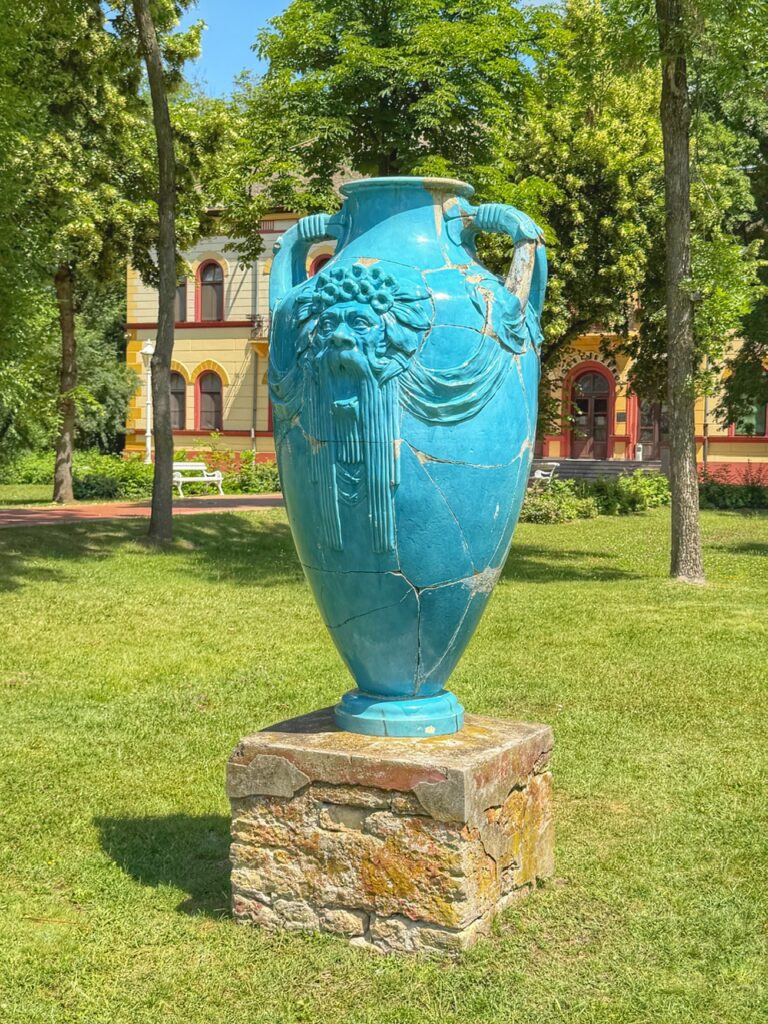
When you’re wandering through the park near the shore of the lake, it’s likely you’ll stumble upon two giant blue vases. These vases resemble Ancient Greek? Roman? amphorae and have stood in the Great Park on the shore of Lake Palic for over a century, as part of a deliberate attempt to make the resort feel like a luxury spa town, and not just a lakeside park. Funnily, the macho face on the vase also has eyes cast towards the Women’s Lido. There must have been some irresistible-looking ladies dipping in those waters!
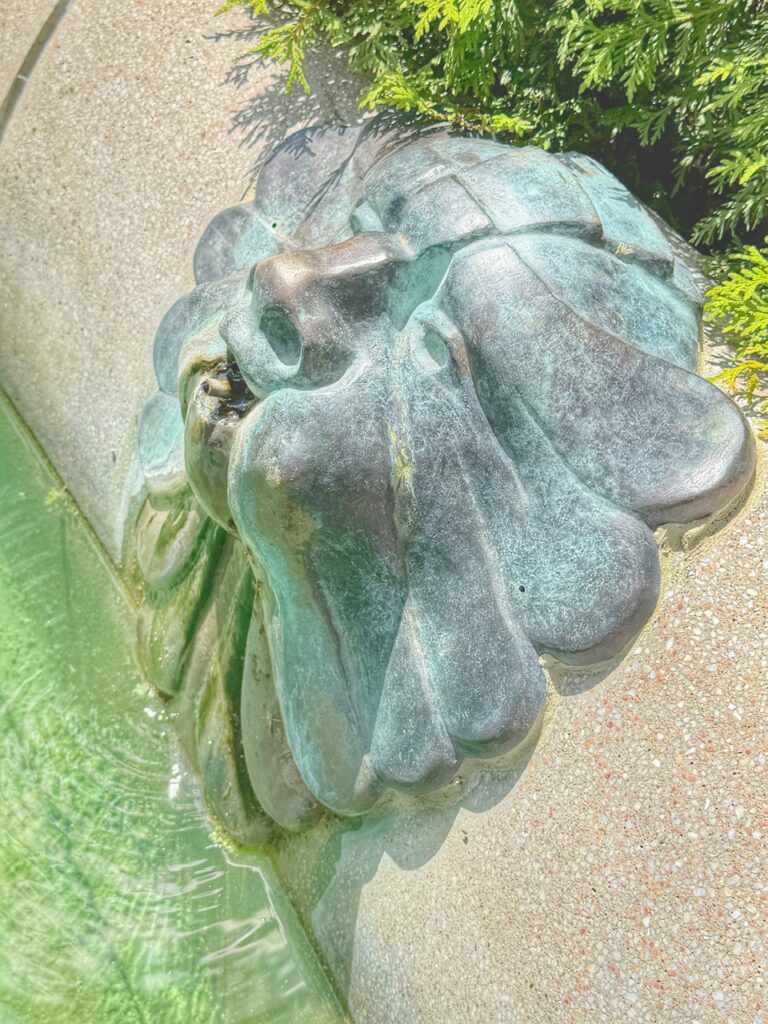
Here’s one of them now blowing backwash back into a fountain!
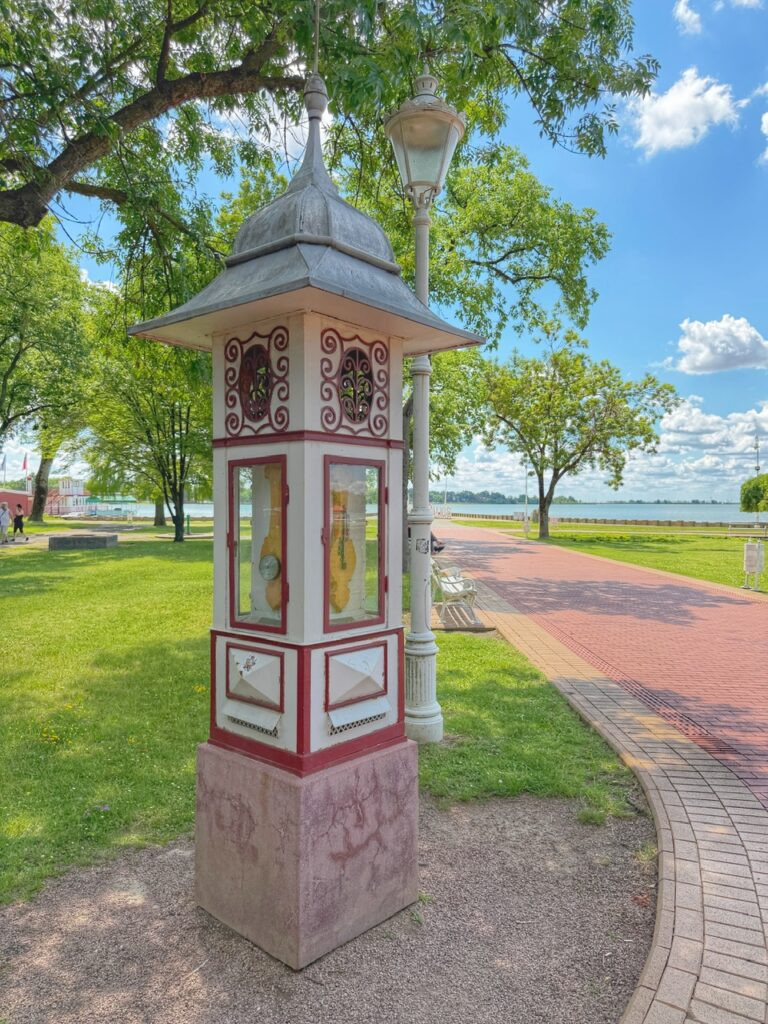


This adorable Meteorology Measuring Column was built in 1870 and according to a Google review three years ago was still functioning measuring temperature, air pressure and humidity. It was definitely NOT working.
There is undoubtedly a lot to look at while wandering the lake, including two ladies taking a pregnant(?) pause, and a cliché name sign to ensure the city’s Instagram status.
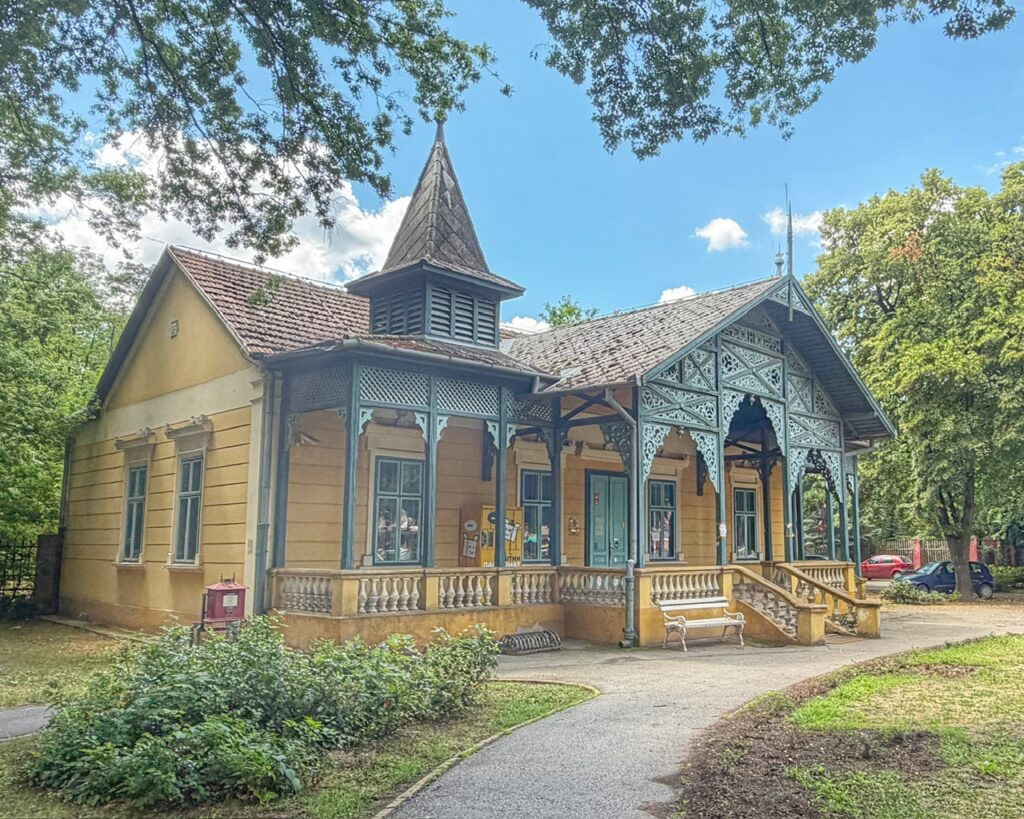
Another adorable house…or apparently, we were later informed…the post office.

For lunch, we made our way to Omega Disco Pizzeria because pizza was among the least expensive options and there was a LOT of it to choose from. We spent $13 on a vegetarian pizza, large beer and tip. Sure beats our $26 in Switzerland (without beer). It was interestingly also served with a carafe of room-temperature tomato sauce to…dump on top(?)

The Palics train station, another option to arriving here from Subotica though they run far less often than local buses.
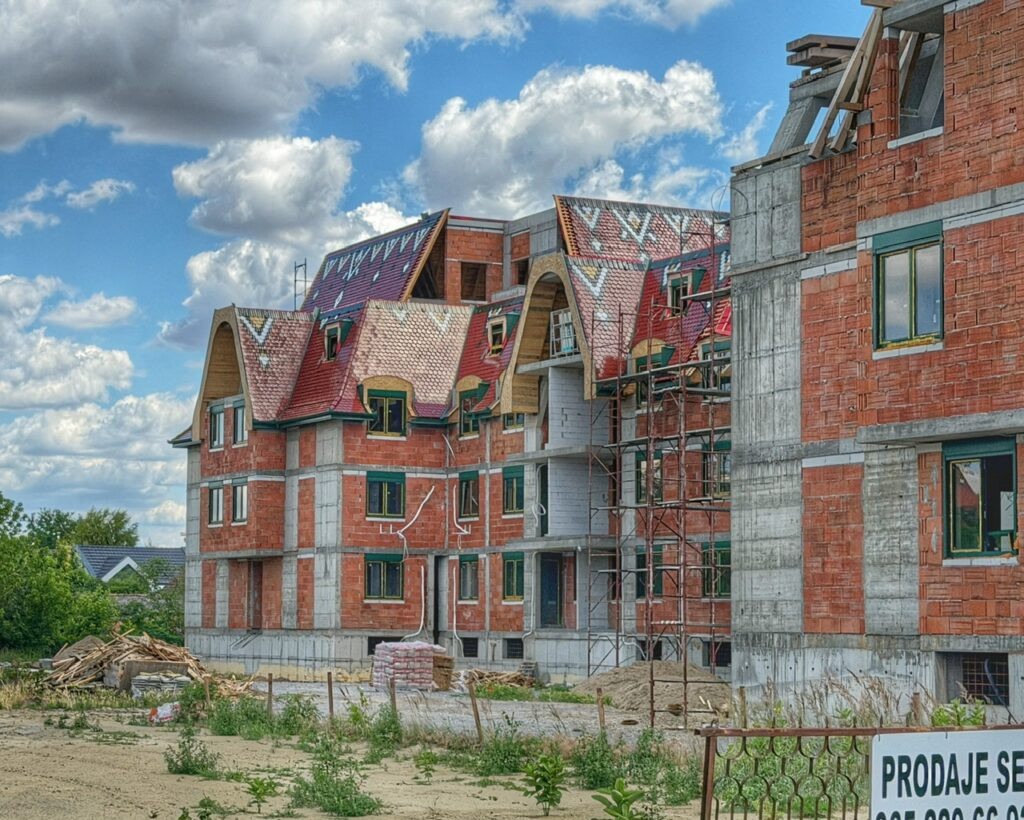
From here, we decided to walk out to a winery about 25 minutes for a tasting. Along the way, we were amazed to see brand new apartments being designed with Zsolnay ceramics (or wannabes) atop it. We loved seeing how the entire town seemed to be committed to keeping with the authentic ambiance.
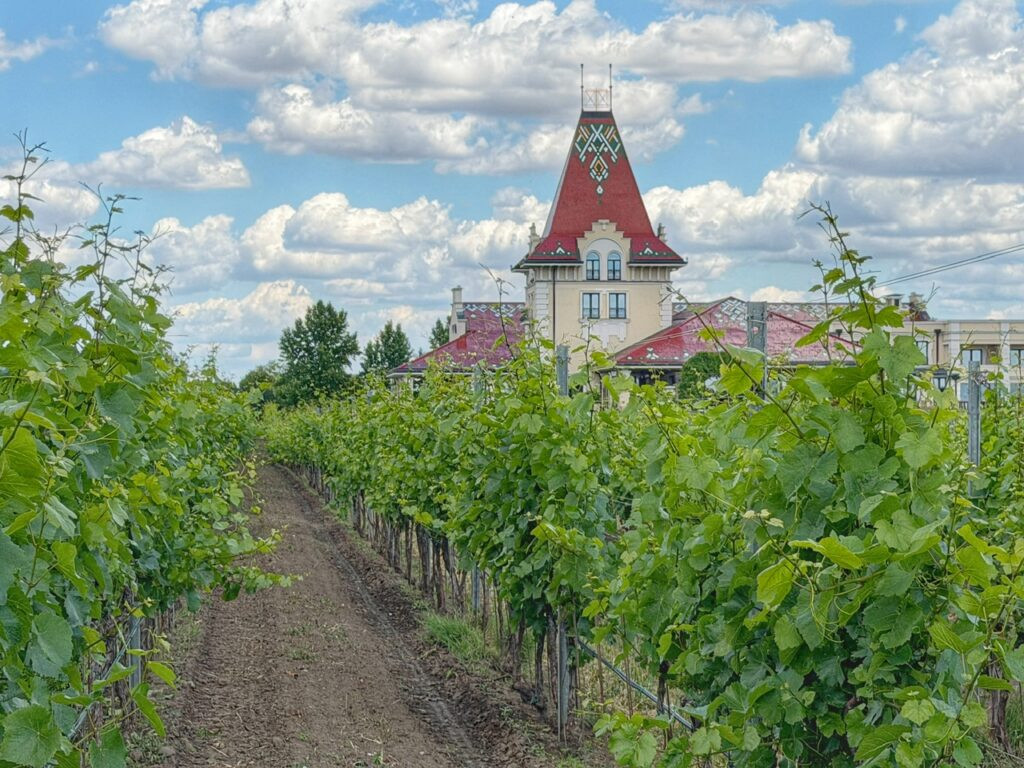

The winery we visited, Zvonko Bogdan had several of the same elements of Hungarian Secession architecture. It felt more like a sprawling estate,


Finding Some Nature at Subotica Sands
For us, one of the few downsides we’ve realized about Subotica is that it’s…well… quite similar in terrain to my home in the Midwest US of A. Flat as a pancake. 😆 It rests on the Pannonian Plains, which were once covered by an ancient inland sea which existed millions of years ago. This means it’s a phenomenal area for agriculture and cycling, but doesn’t have a lot of opportunities for varied or rugged hiking. This is why we were pleased to discover Subotica Sands Nature Reserve (free!), northeast of the city which is accessible by bus #3. ($1.17/ride)
In addition to glorious fields of sandy grasslands and wildflowers decorated by butterflies, it features lush deciduous forests with trails (hiking or mountain biking) crossing in a make-your-own-adventure web of directions.
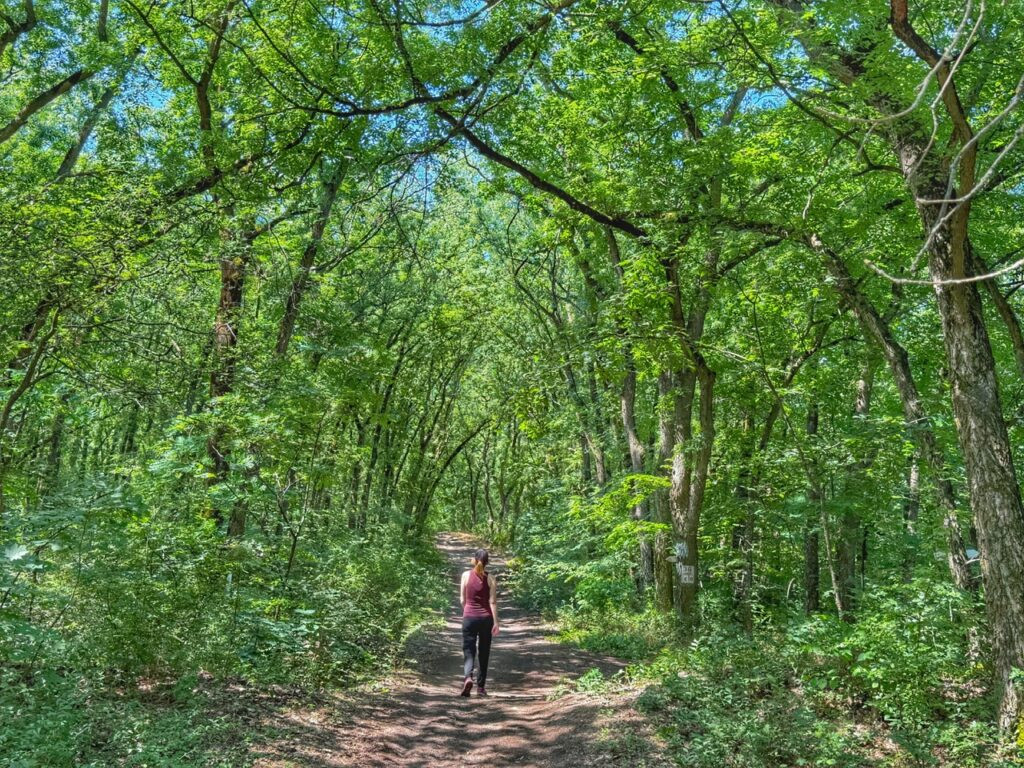
It’s ideal for wandering and soaking in some nature, though arriving early and starting in the grasslands, followed by the forest, was definitely the right call in this baking heat! We read the habitat, which is 54 square km, also has marsh wetlands and lakes…somewhere?

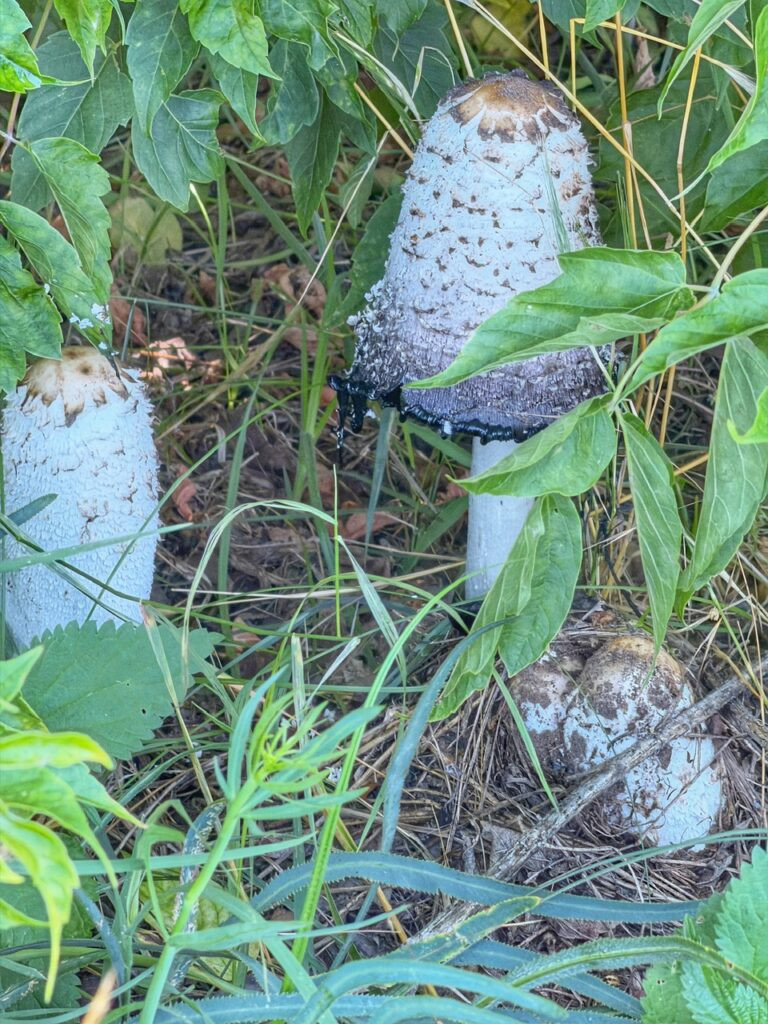

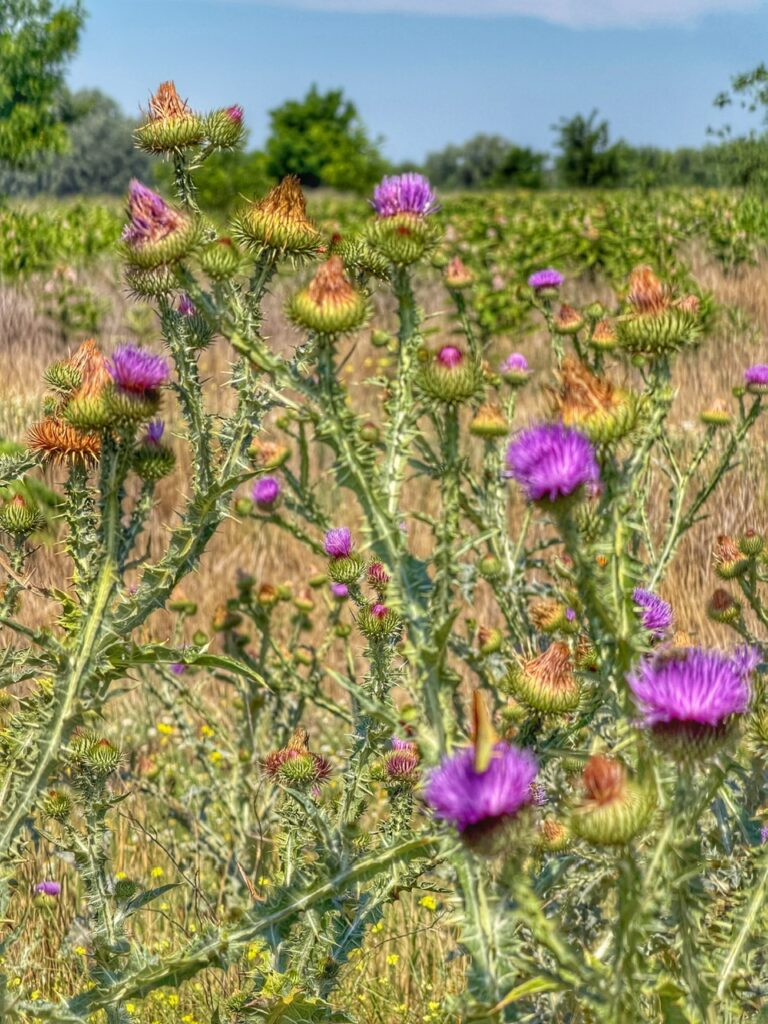
And naturally, this habitat invites loads of interesting things to check out, like cardinal butterflies hovering over cotton thistles, colossal palm-sized Shaggy Mane mushrooms, which would make a desirable Smurf mansion, and a special treat for Papa Smurf as well. And, yes, that’s what you think it is. Growing abundantly wild.
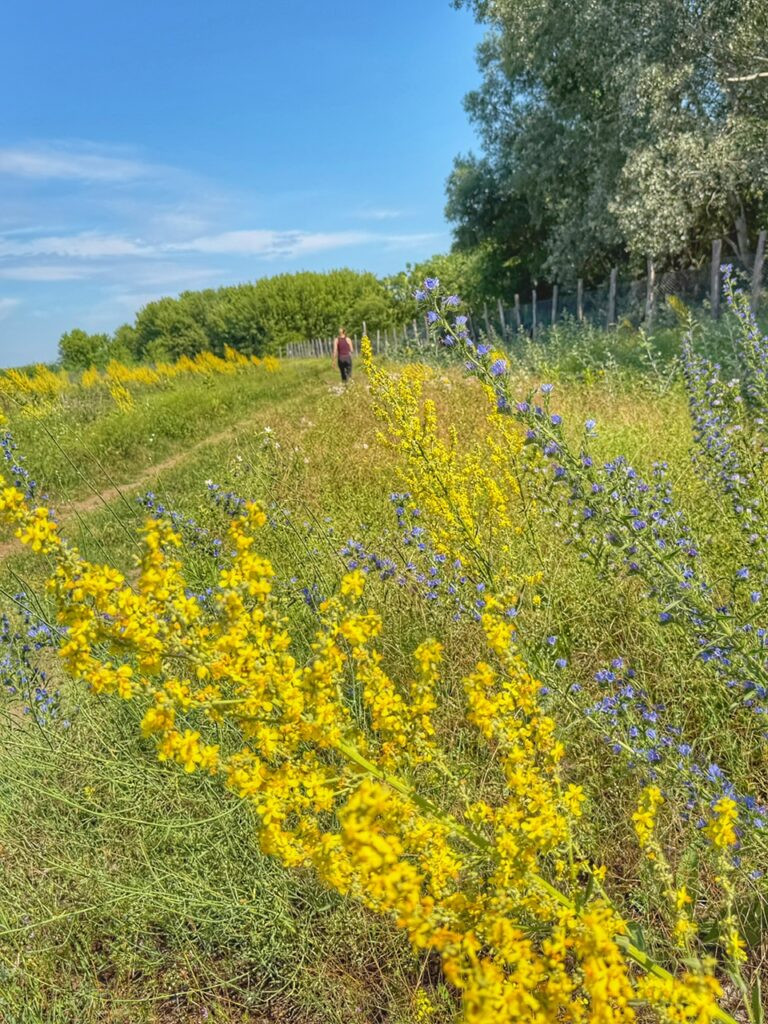
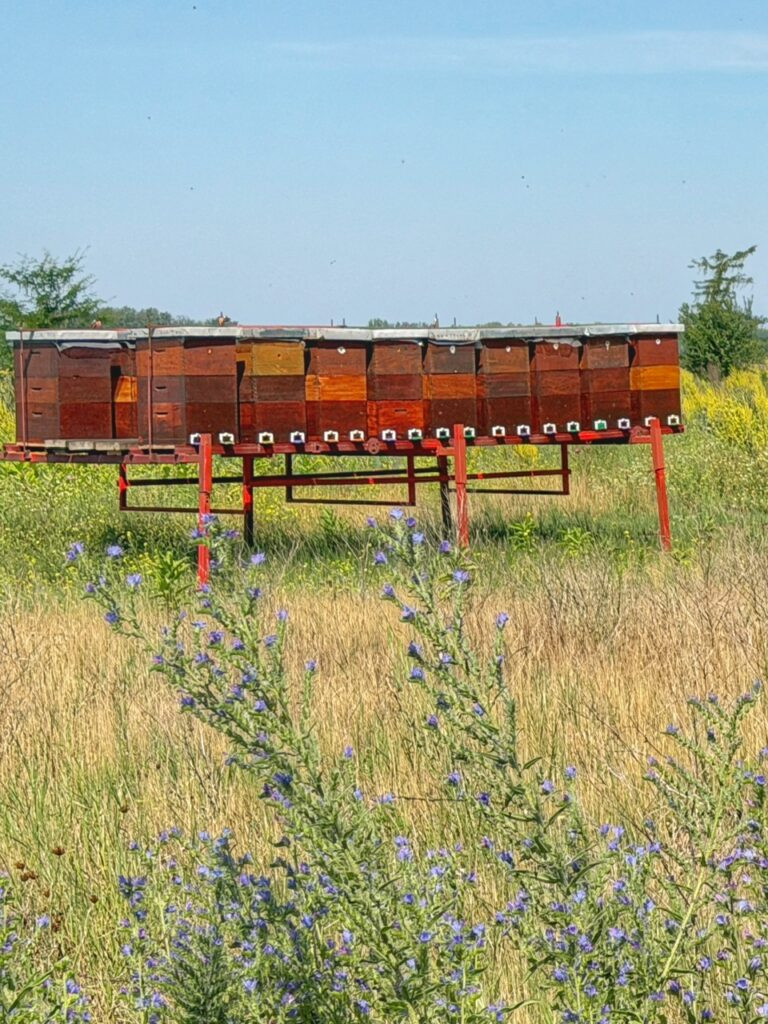
For the first part of the hike, we followed the flower draped red trail (using our Mapy app) alongside forest land that was designated for hunting. Of course we weren’t interested, nor equipped, for that activity, though this activity was a bit more enticing. At least the end product. Fortunately, you can get a sizeable jar of local honey at the market for $4 so we didn’t have to do the dirty work.

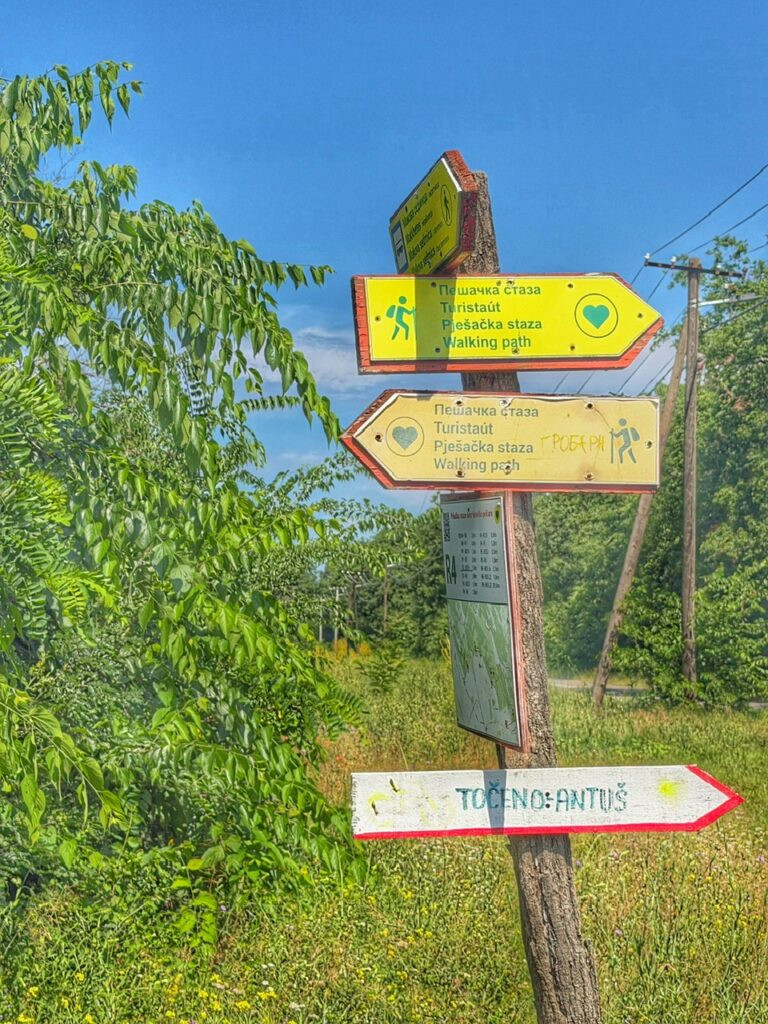
The trail markers. Obviously meant for very tall people….😆 Except maybe in this section.

In the forested area, we saw multiple educational plaques. Interestingly, the information was presented in four languages: English, Hungarian, Serbian, and Croatian. To our untrained eyes, the Serbian and Croatian versions appeared almost identical, though we know the distinction is an important one to many people in the region.
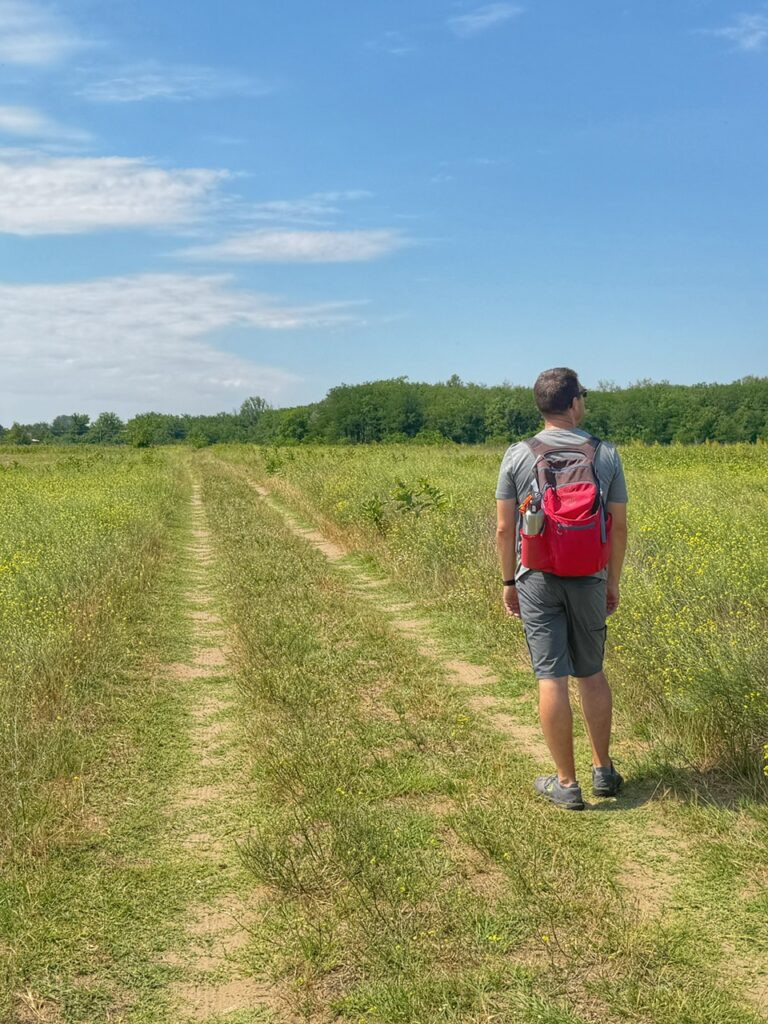
The elevation gain was brutal. 😆

It’s a little confusing on Google Maps where exactly Subotica Sands is because it’s so large. We started at the southern bus stop called “Slovinov Put” and walked toward the red trail, following it west across the plains and into the forest. We probably missed a lot, but at least got a taste! Well worth it for a dose of nature near Subotica!
Sombor: Home of an NBA Superstar
From Subotica, our first day trip was 65 kilometers west to what is known as the “Greenest City in Serbia,” and home to NBA superstar, Nikola Jokić whose famous one-legged fadeaway shot is often called the “Sombor Shuffle.” It feels undeniably different than Subotica…an idyllic and pastel-hued town made for slow travel which offers wide Austro-Hungarian boulevards, a namesake brewery, and an elegant old world atmosphere with few to no noticeable tourists. In our eyes…utterly superb.

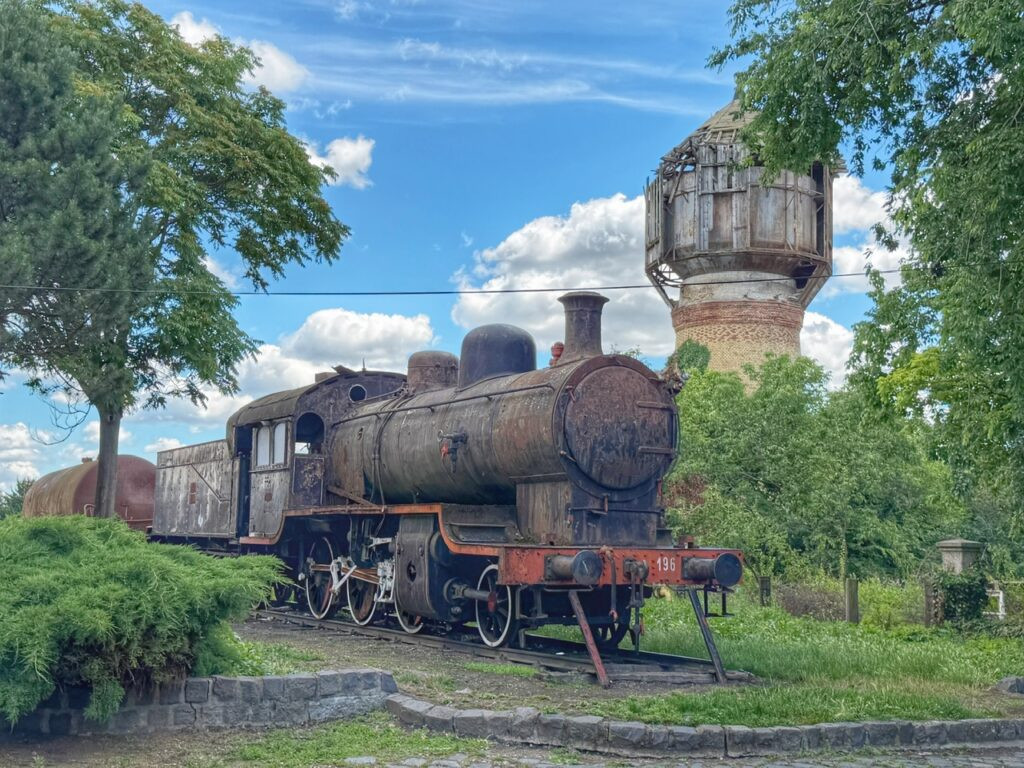
However, not everywhere in Sombor is so unblemished. In fact, arriving in the town at the northern end, you’ll get a very different perspective at the derelict train station. For the record, this not the train we took. This is obviously the train Emmet Brown took back to the future in 1885.
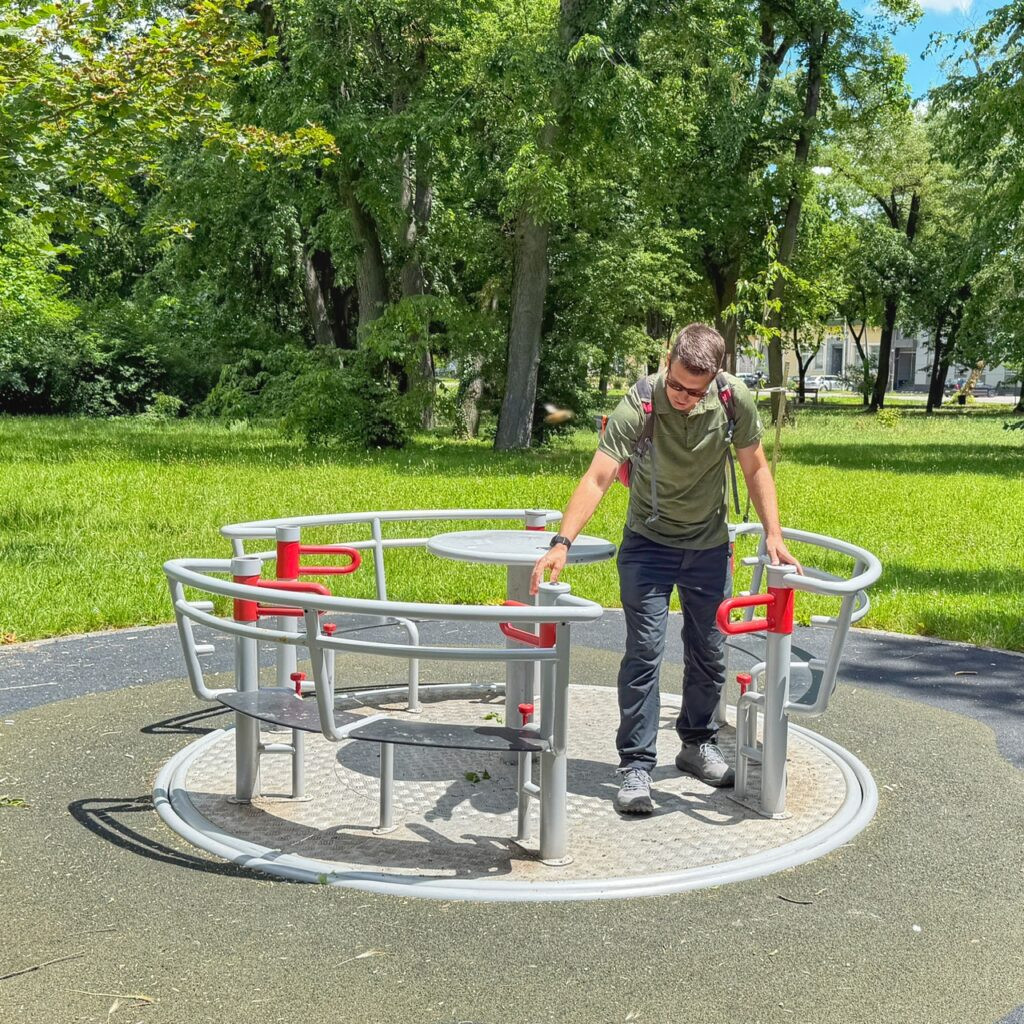
From the train station, we walked through the nearby park which was also a bit scruffy, until we found this diamond in the rough….a super modernized merry-go-round with safety doors and locking mechanisms. It took my husband a good minute to figure out how to use it so not sure how that will bode for the little ones waiting for their dizzy device to whirl into action.
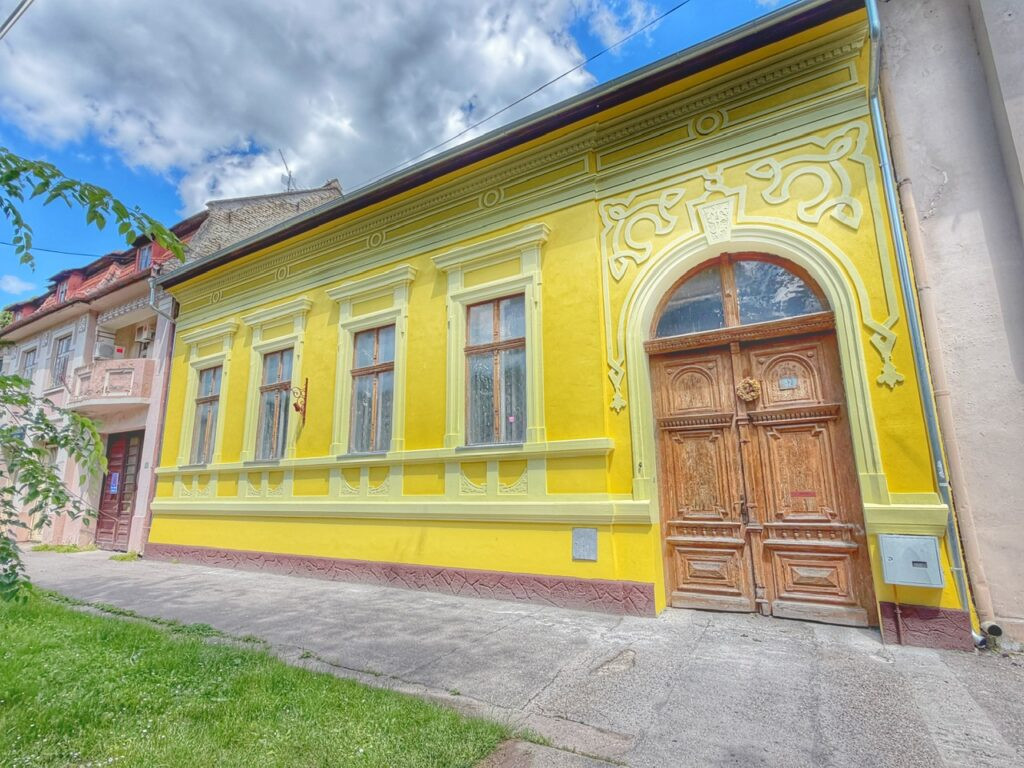

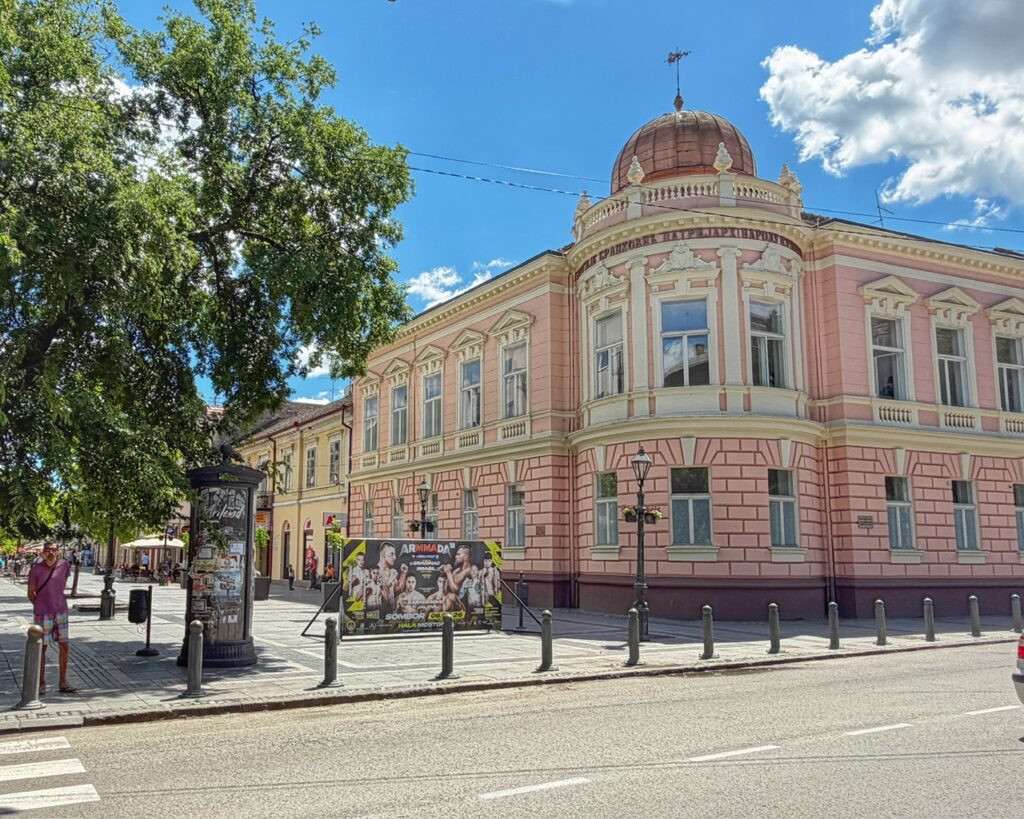
Walking the 20 minutes to the center, we began encountering a pristine and pasteled palette which made our heads swivel to and fro as we uttered the word, “cute!”

Arriving at the main pedestrian thoroughfare, which welcomed us immediately with its warmth.

The Church of Saint George. According to a local guide on Google, (not sure how you get this job😆), Sombor got the status of “Free and Royal City” in the Austro-Hungarian Empire in 1749. Orthodox Christians wanted to have a church worthy of the privilege which had been so hard to acquire. According to the official records it was constructed in the year of 1761 and it had a reconstruction in 1936.

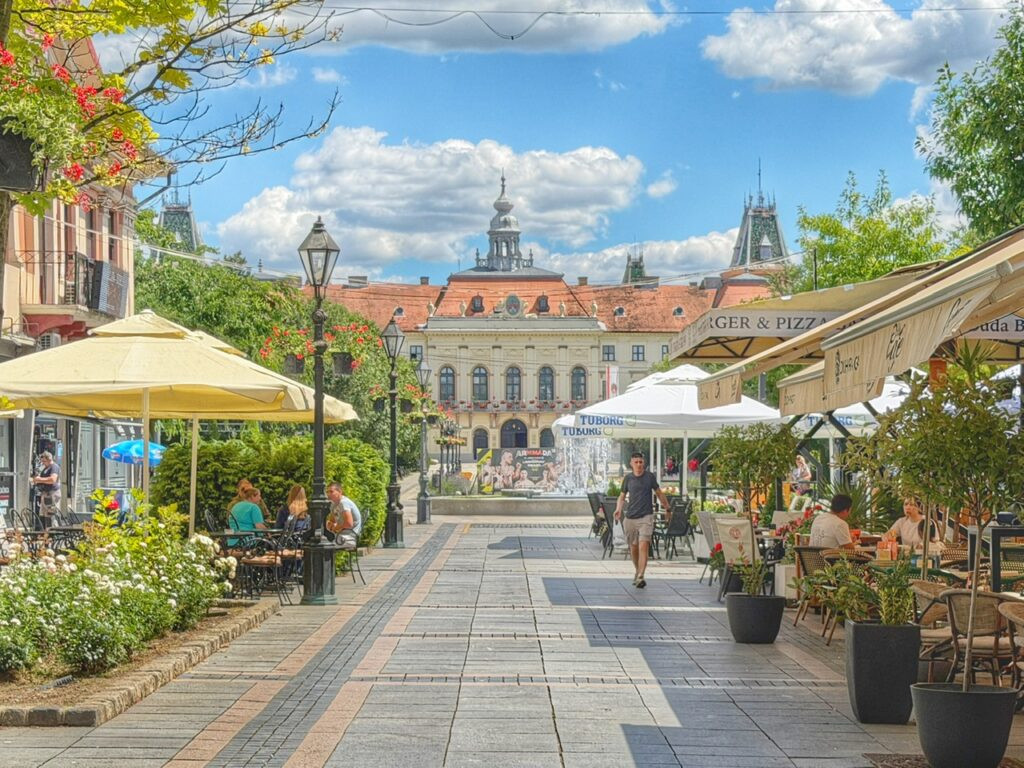
Quite different than the arresting City Hall of Subotica, the City Hall of Sombor blends effortlessly into its surroundings and still is in the middle of everything. Its 19th Century Neoclassical facade was built on the site of a former castle. Also, grand pedestrian walkways sprinkled with al fresco cafes dot the surroundings everywhere.

And just like in Subotica, every other person was on a bicycle.

Wandering our way to the market, we found that prices were equally as good as Subotica with a kilo of cherries posting for $2.47/carton. And yes, note the liberal-arts-degree-friendly effortless conversion here! I’m loving it.
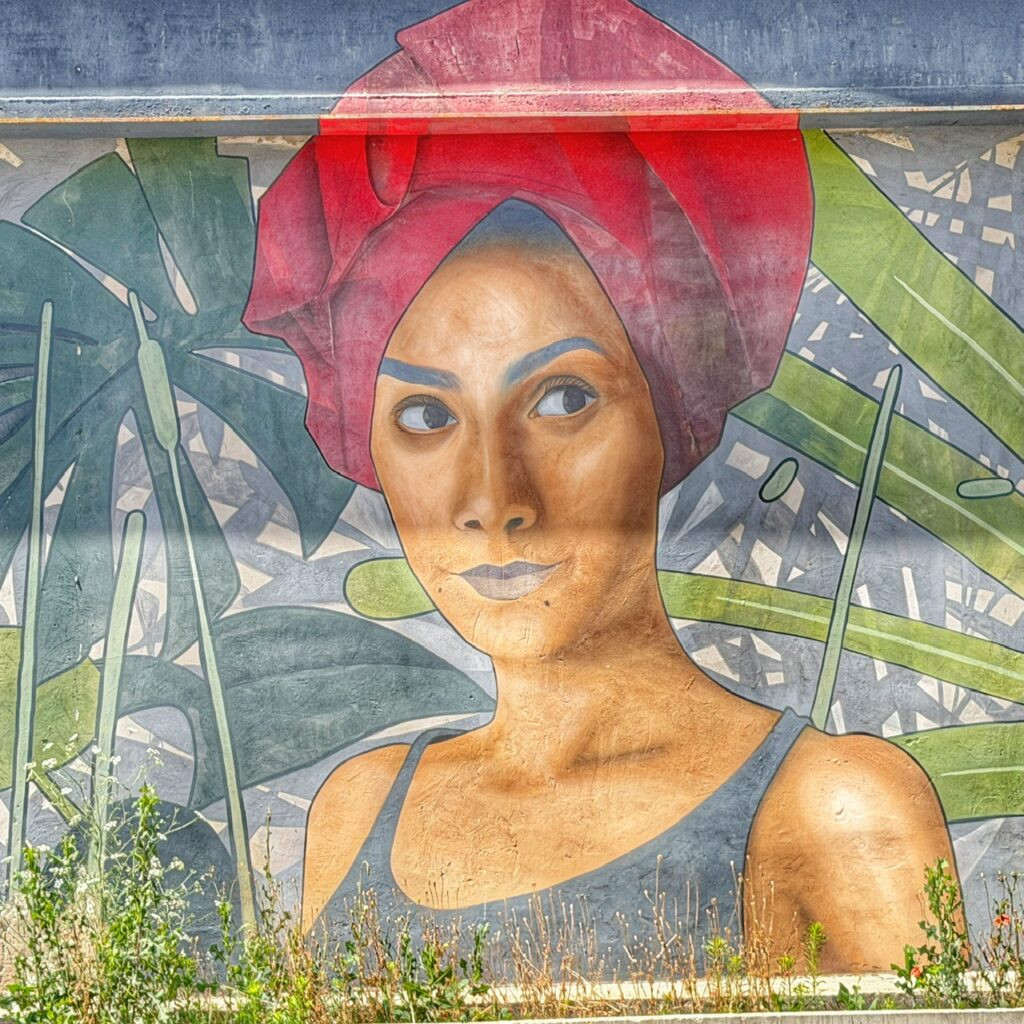

The city also offered some intriguing street art, including one dapper gentleman….
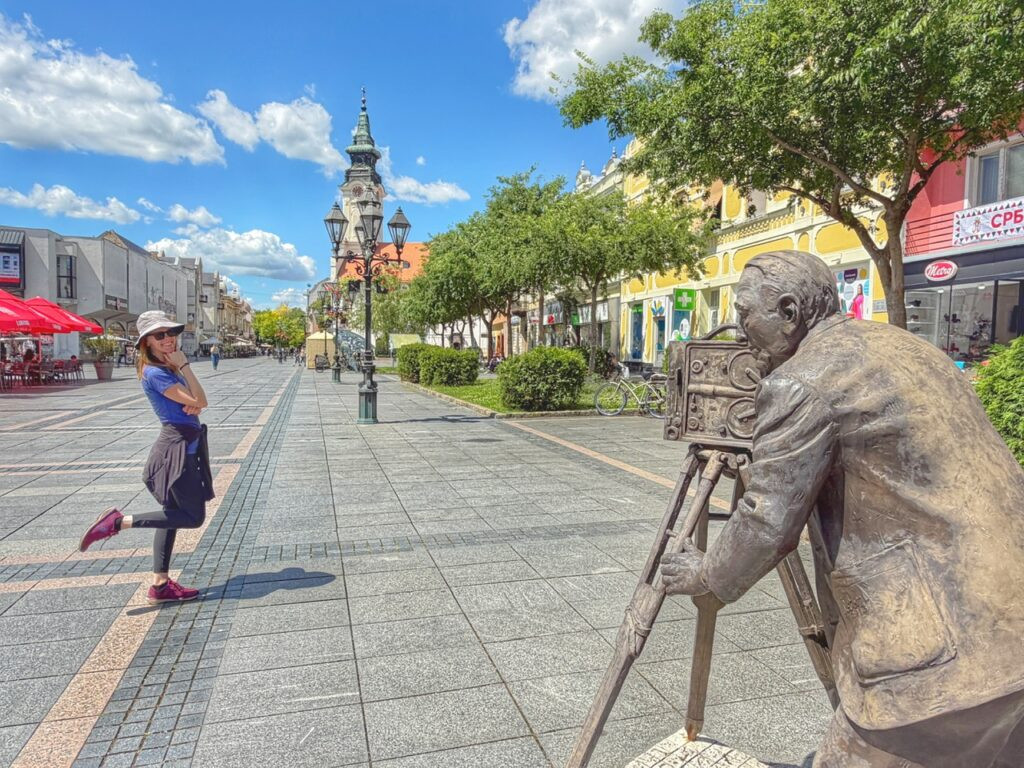

…who even wanted to take MY picture 😁 …as well as two others, who were also working that Liberal Arts degree.

A church that seemed to be the peachy keen offspring of City Hall.
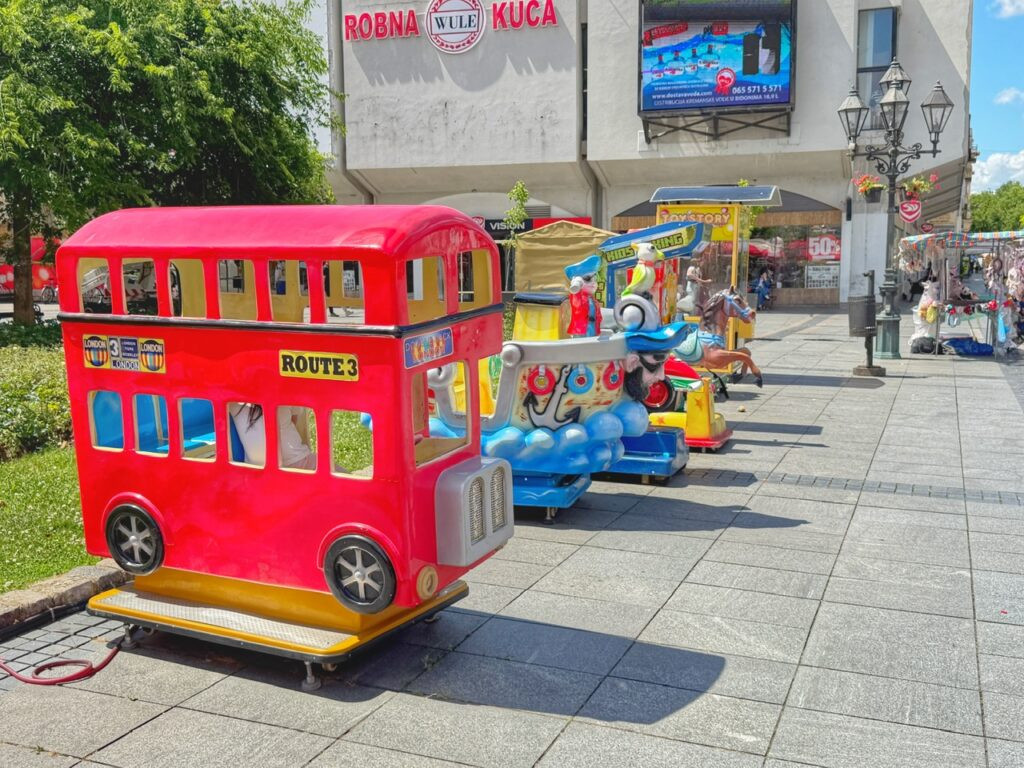
Like Bulgaria, Serbia has the most adorable mechanical crap for parents to toss hard earned cash in.
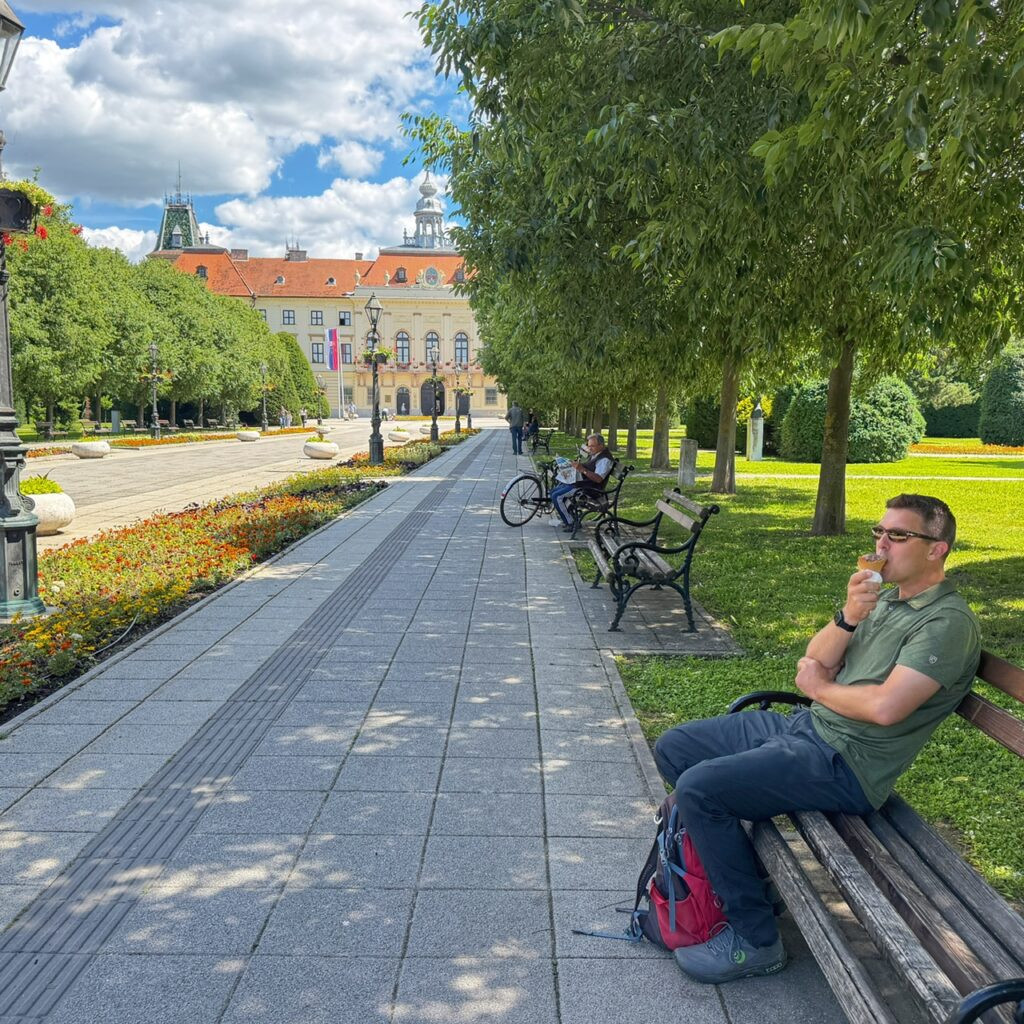
We’d much rather spend our hard earned cash on ice cream, which still go for $1 a scoop in Serbia. Oompf. This could be a problem….
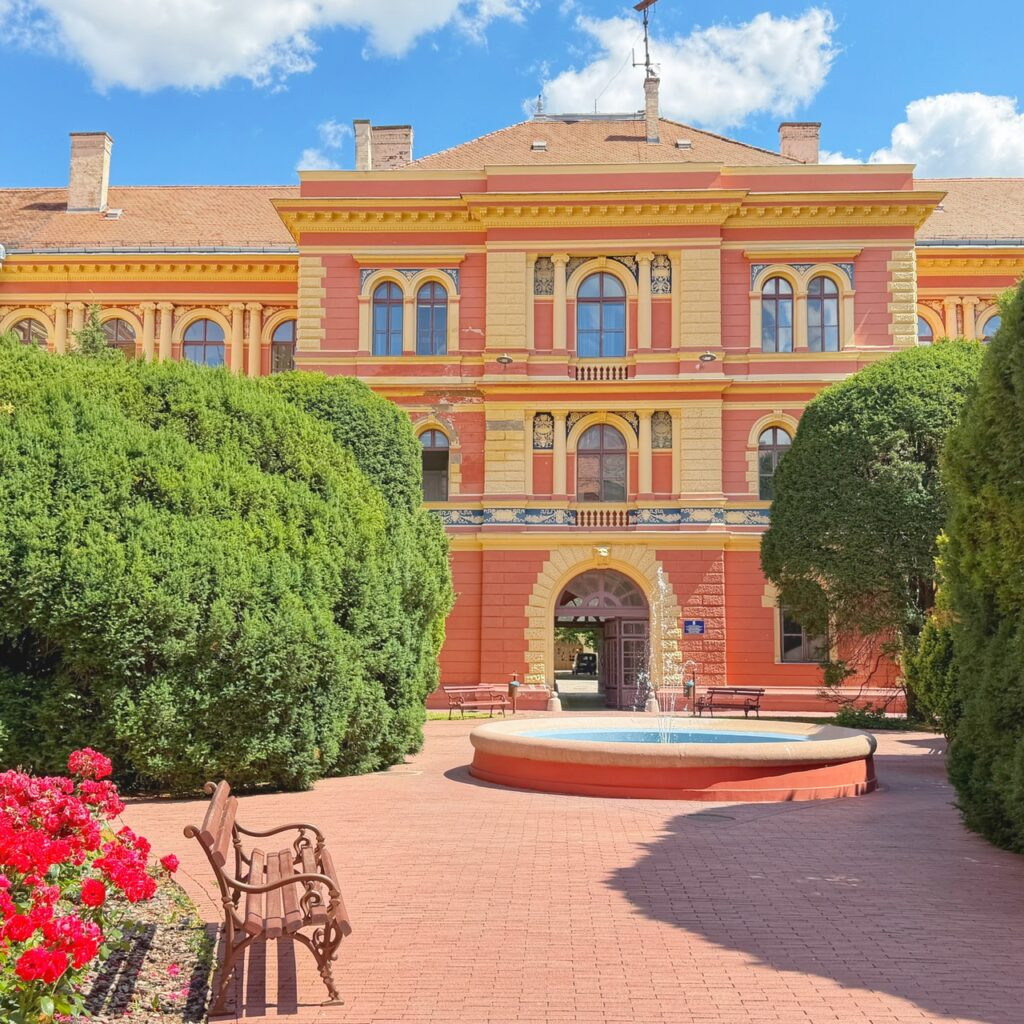
The interior courtyard of the county hall.
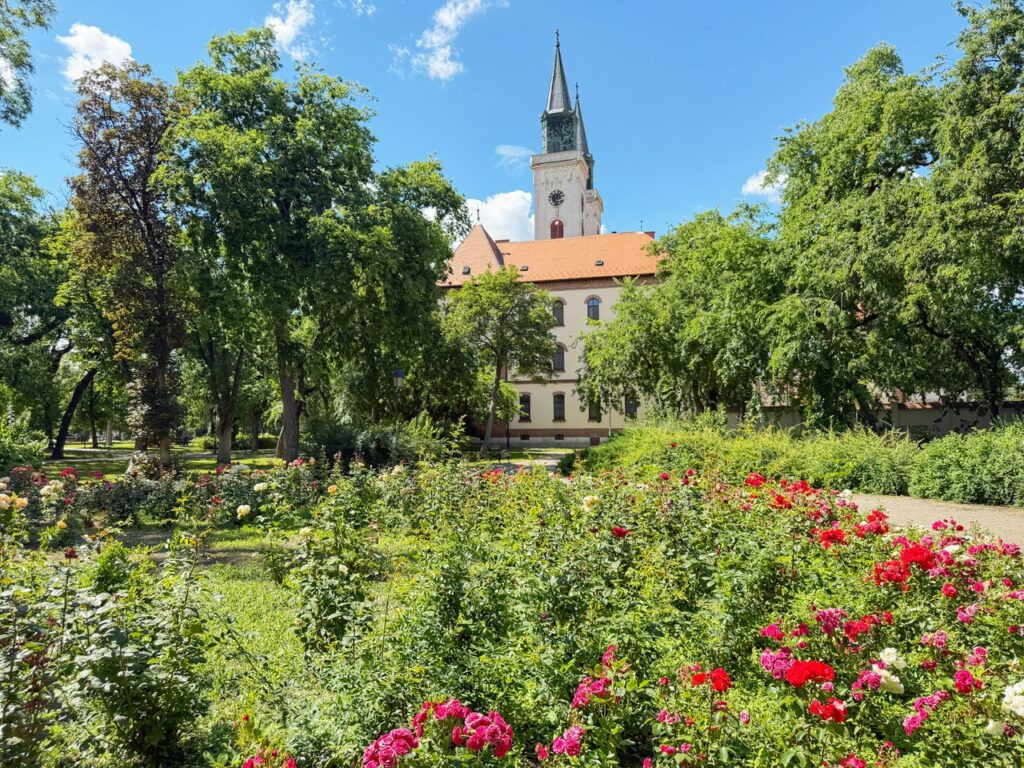

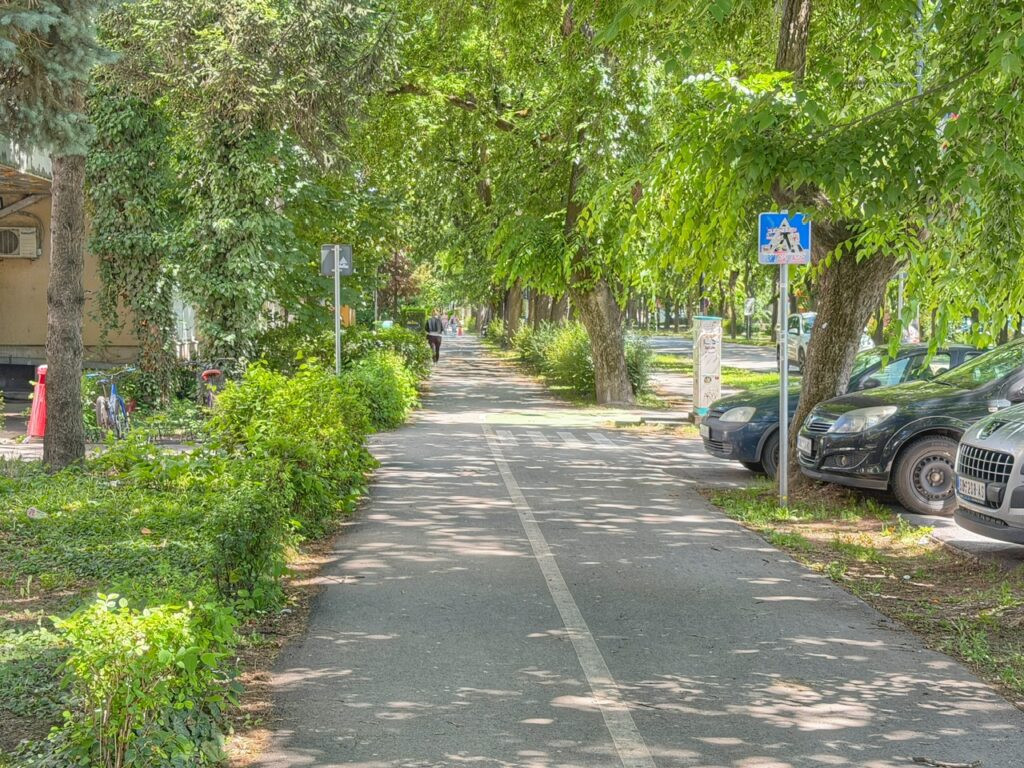
Sombor also has lots of beautiful parks to stroll in, which share pathways with a terrific bike trail network called the Amazon of Europe, thanks to the Danube and other rivers which weave in and out of the terrain. Verdant indeed. Verdant and flat. Idyllic for biking…

….which is how Ravengrad Brewery got its name, which means “Flat Town,” a nod to the completely flat Pannonian landscape surrounding it. It was here of course Greg washed down his ice cream with a beer, which he purchased for $2.50.
The brewery also had a special edition beer with Denver in its name, which is a nod to this guy…already mentioned NBA superstar, Nikola Jokić, who plays for the Denver Nuggets and whom many basketball analysts consider the best passing center the game has ever seen thanks to his extraordinary court vision.

This gentle giant clocks in at6 ft 11 in (2.11 m) and apparently has a super soft spot for horses, coming back to his home of Sombor every offseason to take care and race his own.


With that said, it was time for us to bounce on outta here. Upon returning to the dilapidated station, we surprisingly found a modern ticket machine which delivered us the 1.5 hours back to Subotica for about $3/each. (Via a train, not the machine itself).
“Ravengrad” suits it impeccably. It’s corn field flat, a bit reminiscent of my home state of Indiana.

But boarding one of these guys is unfortunately not a thing in the Hoosier State….or most of the states….
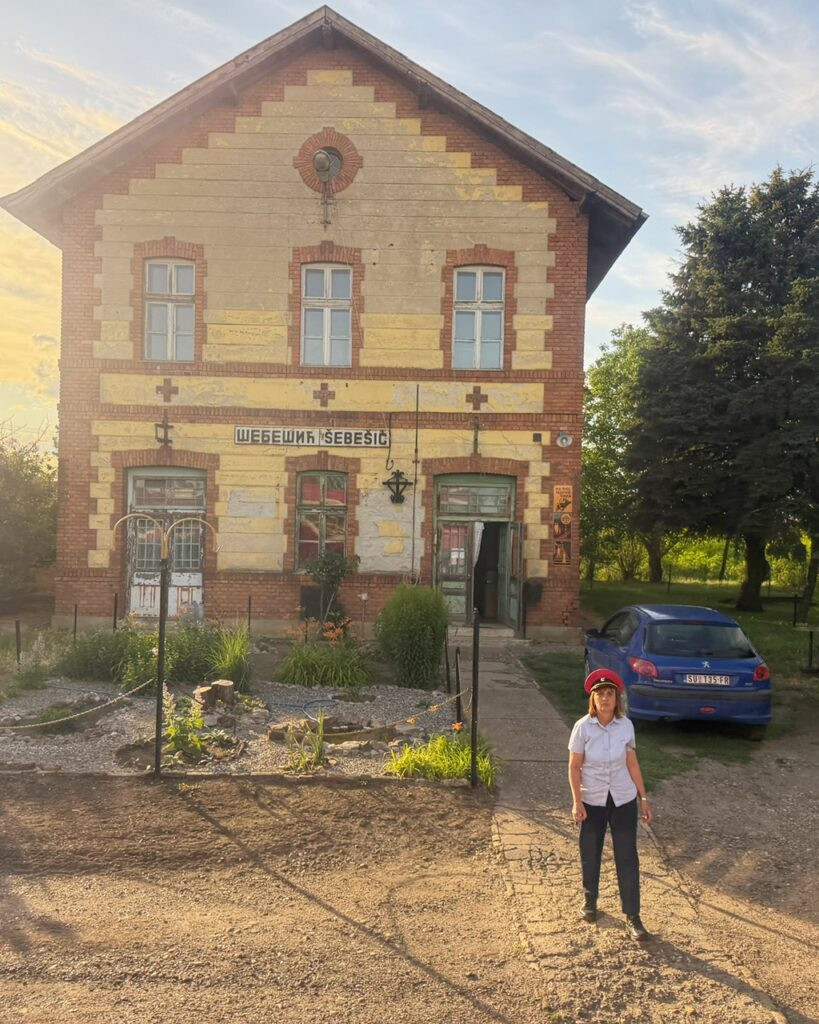
We do love this simple life in Europe.
Sleepy Senta: Getting Completely Off-the-Beaten Path
As the news-centric “heat dome” invaded Central and Eastern Europe, we eagerly hunted for a bit of aquatic relief and hopped another readily available and inexpensive train to the tranquil town of Senta, or Zenta as it’s known in Hungarian. In Senta, perched alongside the Tisa River we were transported to a very different side of Vojvodina…one that is famous for the 1697 Battle of Senta, a decisive defeat of the Ottoman Empire by the Hapsburgs, shifting the balance of power in Central Europe.
On our visit, however, we witnessed nothing but serenity.
This predominately agricultural community sits in the heart of the Pannonian Plain.
It’s fertile. It’s rural. And, it’s undeniably sleepy.
A waitress we talked with was astonished to learn two Americans had wandered into her “boring” town.
Why not? It’s very pleasant.
And, there was plenty to entertain us for about six hours like swimming in the Tisza, checking out the riverside promenade, absorbing more Hungarian influences, and of course, stopping for our obligatory day trip treats.
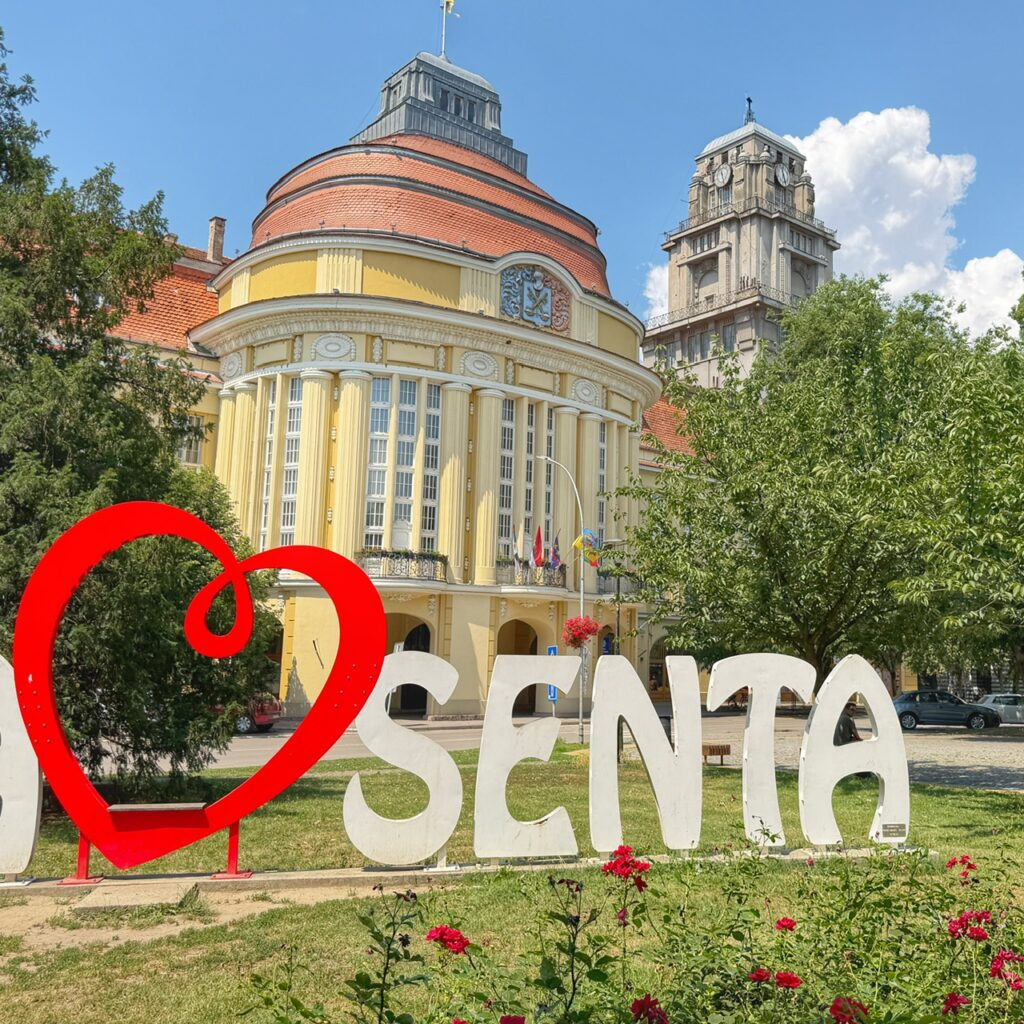
Sitting on the main square, Senta’s City Hall built in 1912, is unsurprisingly the town’s most recognizable landmark. This fancy city hall theme seems to be a trend in this area.
Anyhow, the surprisingly active tourism bureau, which was loaded with glossy pamphlets, has perfectly framed it for Instagram with roses, a token promotional sign, and even a heart you can climb in. Unfortunately, the heart was the only thing we got to climb because the city hall and tower itself were only available to tour by two day advance reservation.
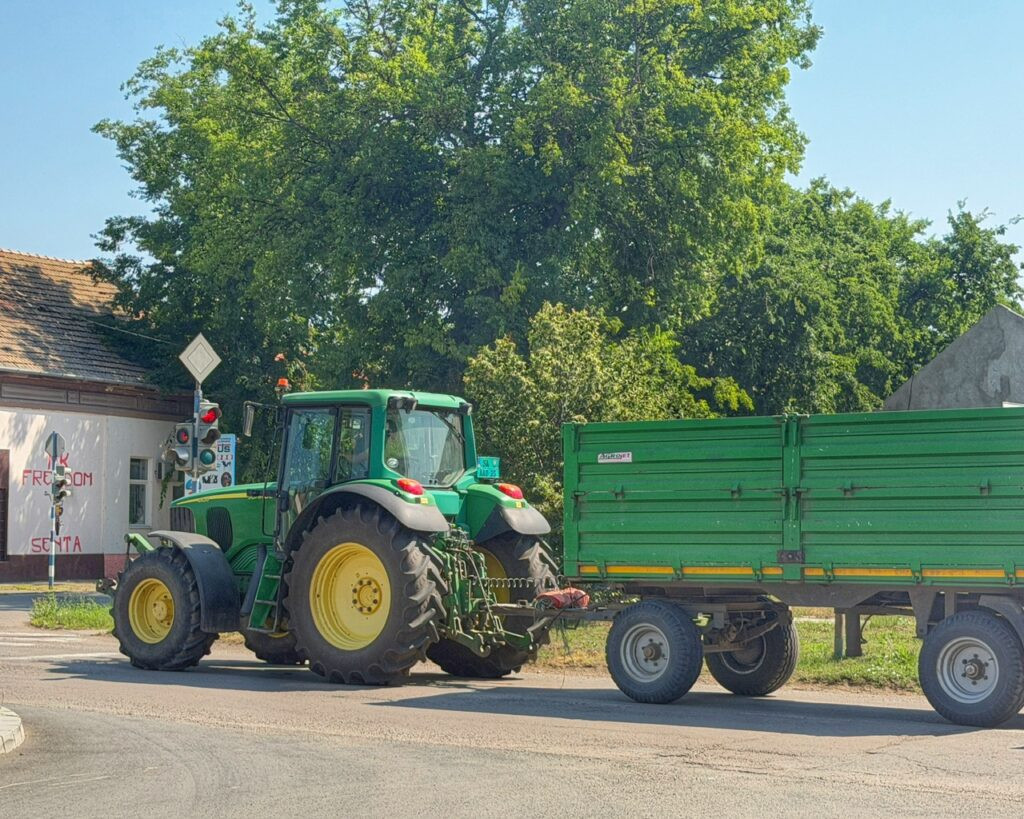
We did get to see plenty of signs of Senta’s agricultural existence, which is an absolute hot bed of production. Main crops include wheat, corn, sunflowers, beets, and soybeans, not to mention the hundreds of vegetable and fruit farms that dominate the region.
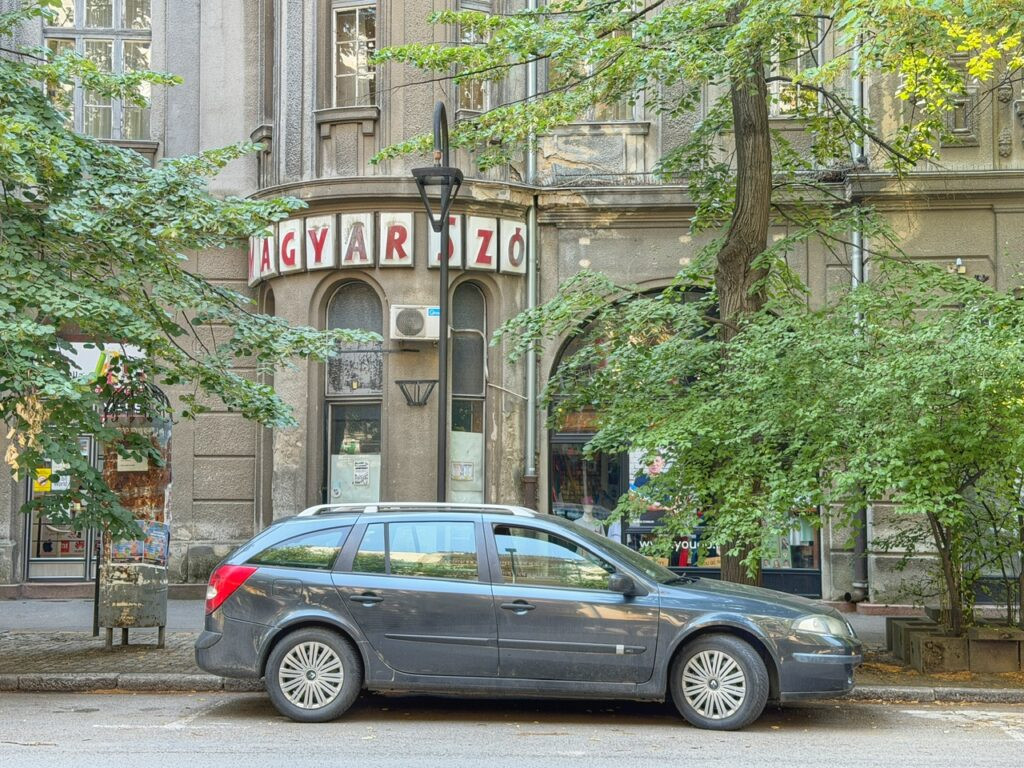
Due to their history and still present Hungarian population, Hungarian words were predictably sprinkled throughout. In fact, when I translated this cool vintage sign, it actually says, “Hungarian Word,” so I’m not really sure what sort of establishment this once represented. A bookstore? 🤔
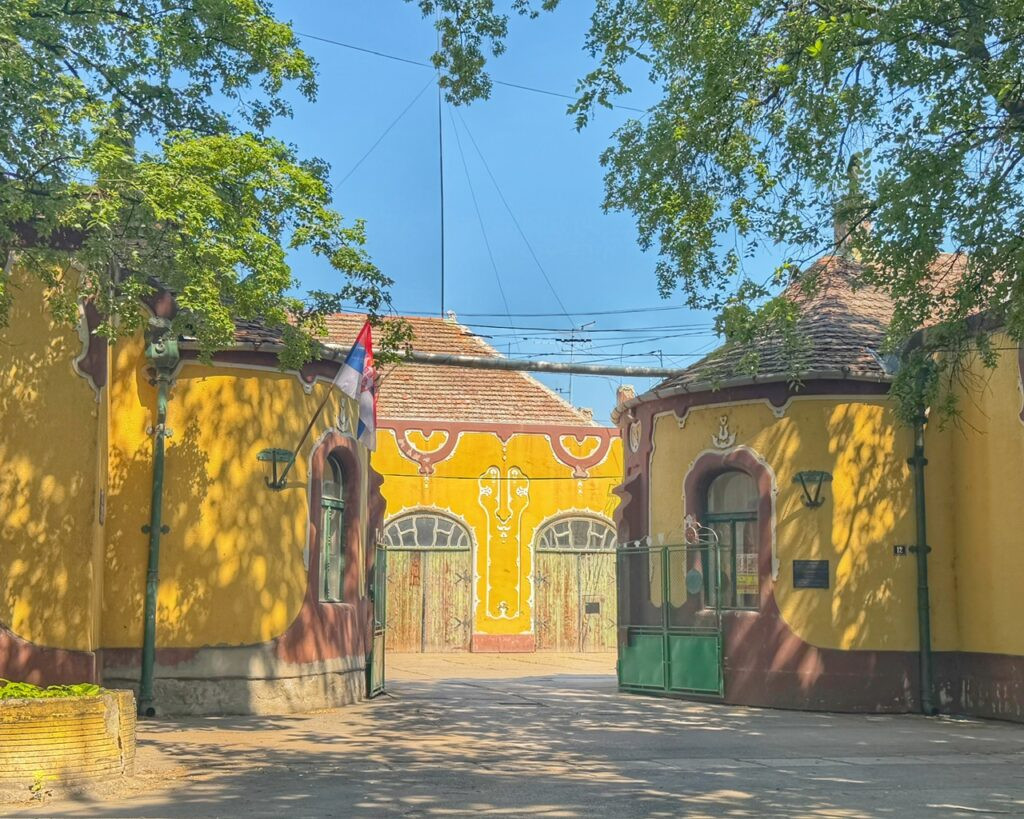
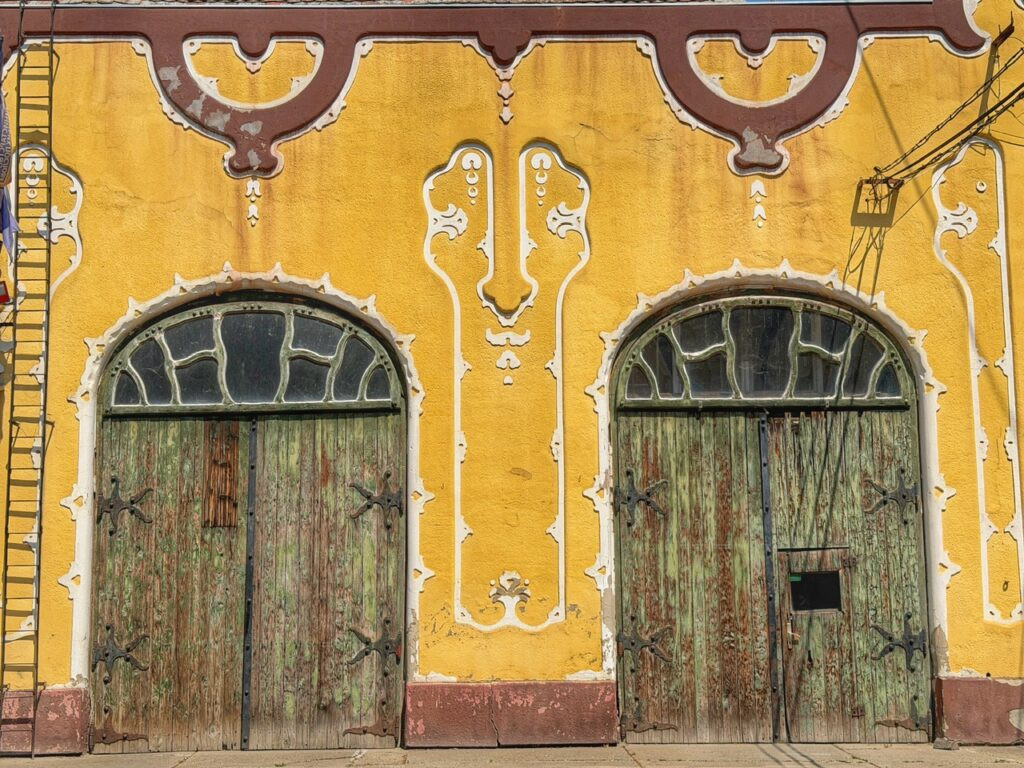
Also, worth checking out is the richly detailed Fire Brigade which was built between 1903 and 1904 by Bela Lajta. It mixes folk architecture with Hungarian secession and remains a volunteer fire station today. Fortunately like most other places, the equipment has been updated, and they’re no longer using buckets. The details are remarkable. And jovial too!
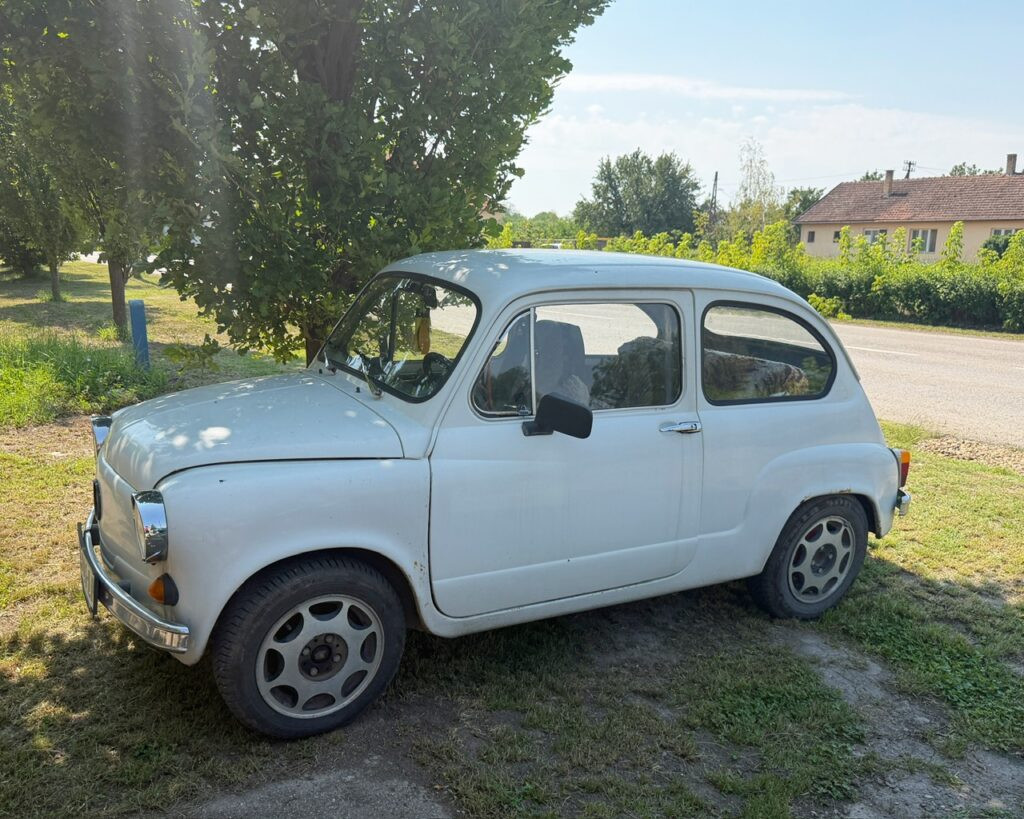
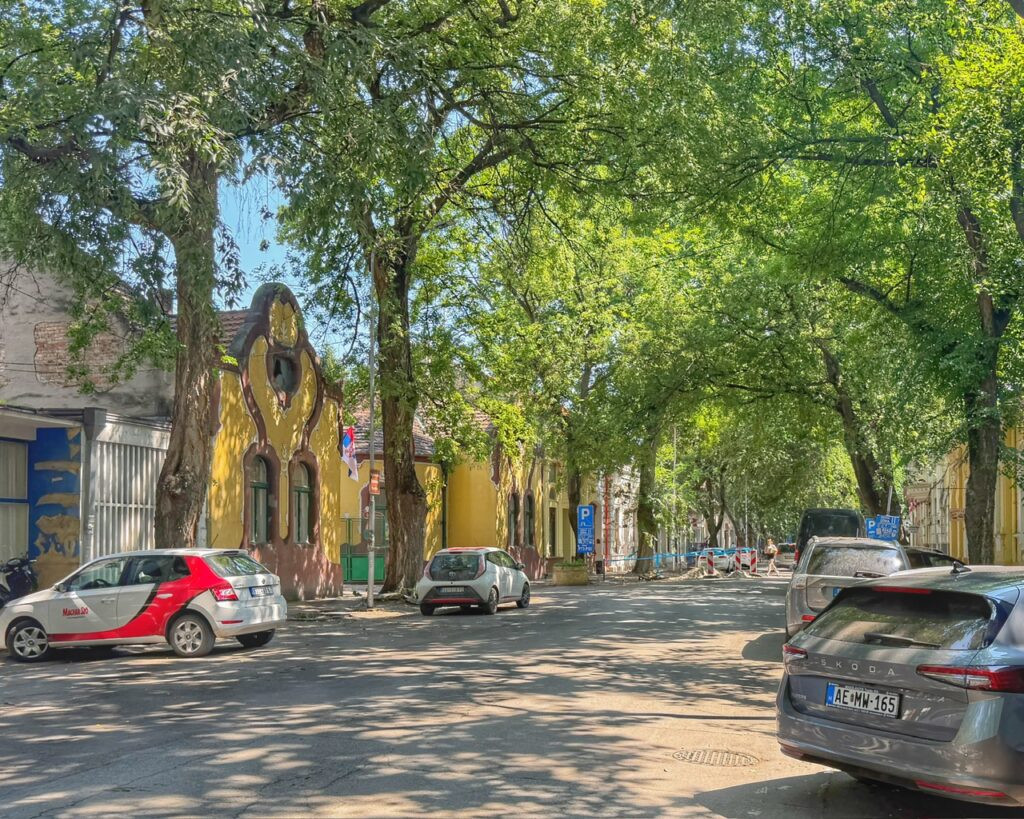

We can never get enough of these little retro Euro cars! The tree-lined streets of the town are accentuated perfectly by pops of pink.
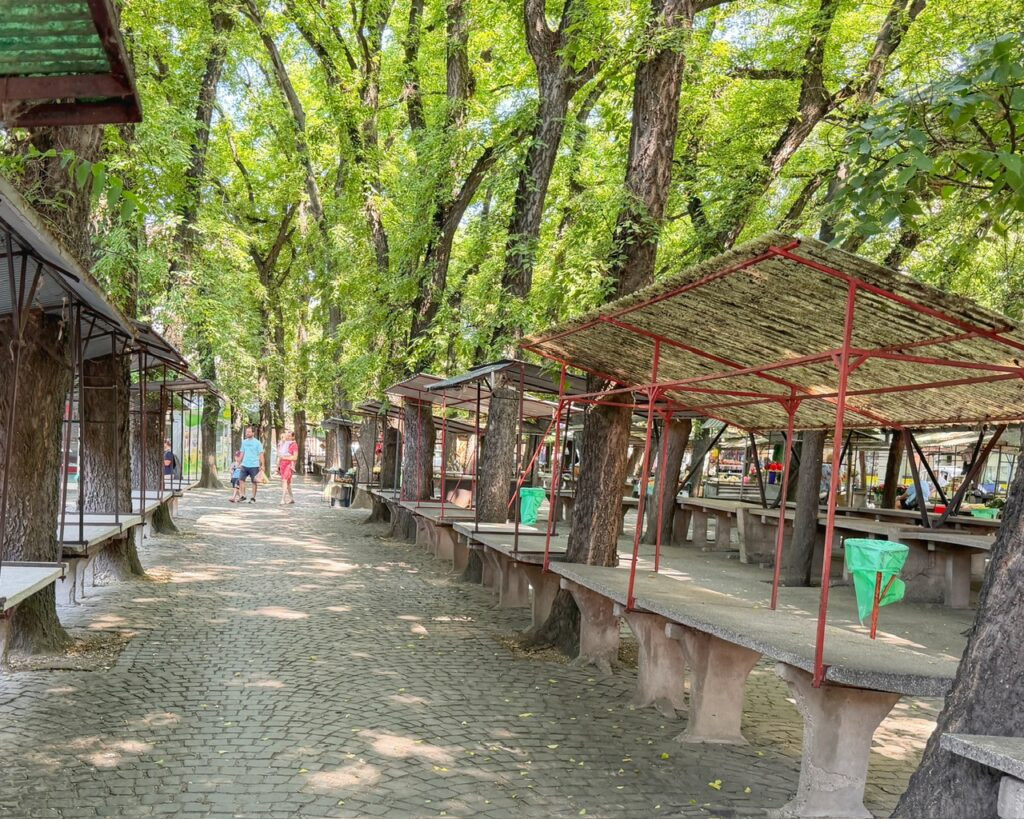
The town market was sadly a bit empty other than a few vendors boasting bundles of red cherries, apricots and vegetables. I’m sure it depends on the day of the week…


One thing we didn’t expect to see was a 24-hour Japan-style fix for any man who finds himself in the doghouse at 2 am, which I promise will go over better than this face.

Prices in Northern Serbia are delightfully easy on our pockets as this gyro for about $3.20 represents.
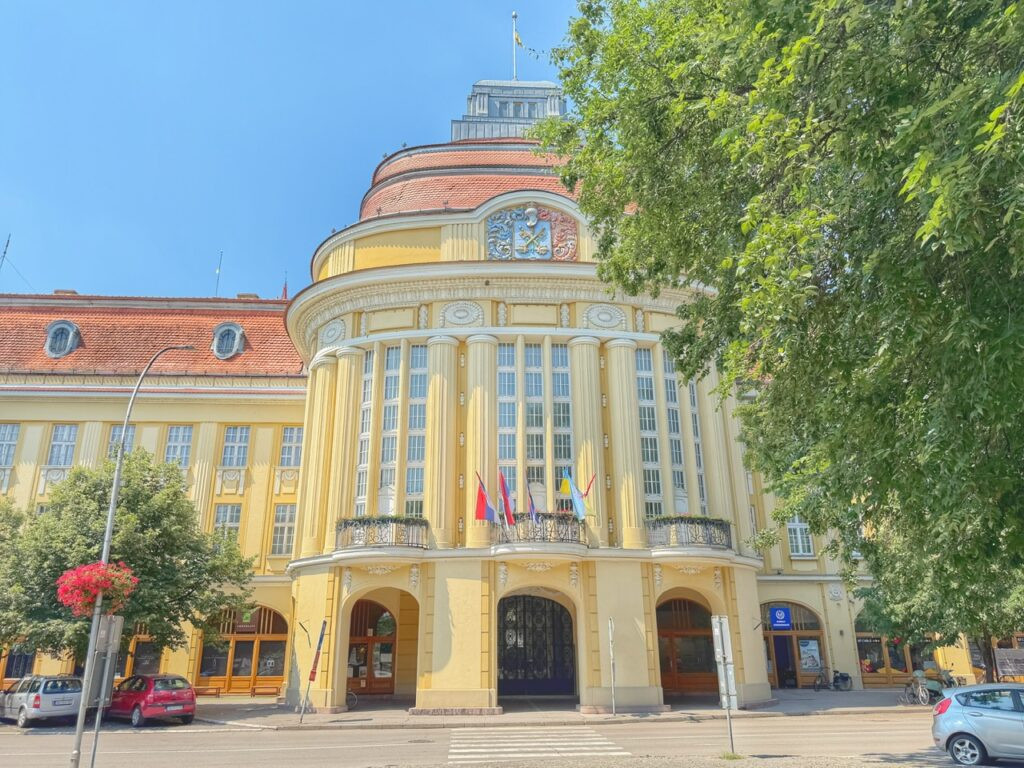
Back at the City Hall, we paused for a snack to appreciate architecture reflecting Senta’s Hungarian heritage. At the time it was built, it was part of the Kingdom of Hungary within the Astro-Hungarian Empire so the building showcases flowing lines, floral ornamentation, colorful decorative details and motifs typical of Hungarian Art Nouveau. We really wish we could have seen the inside….

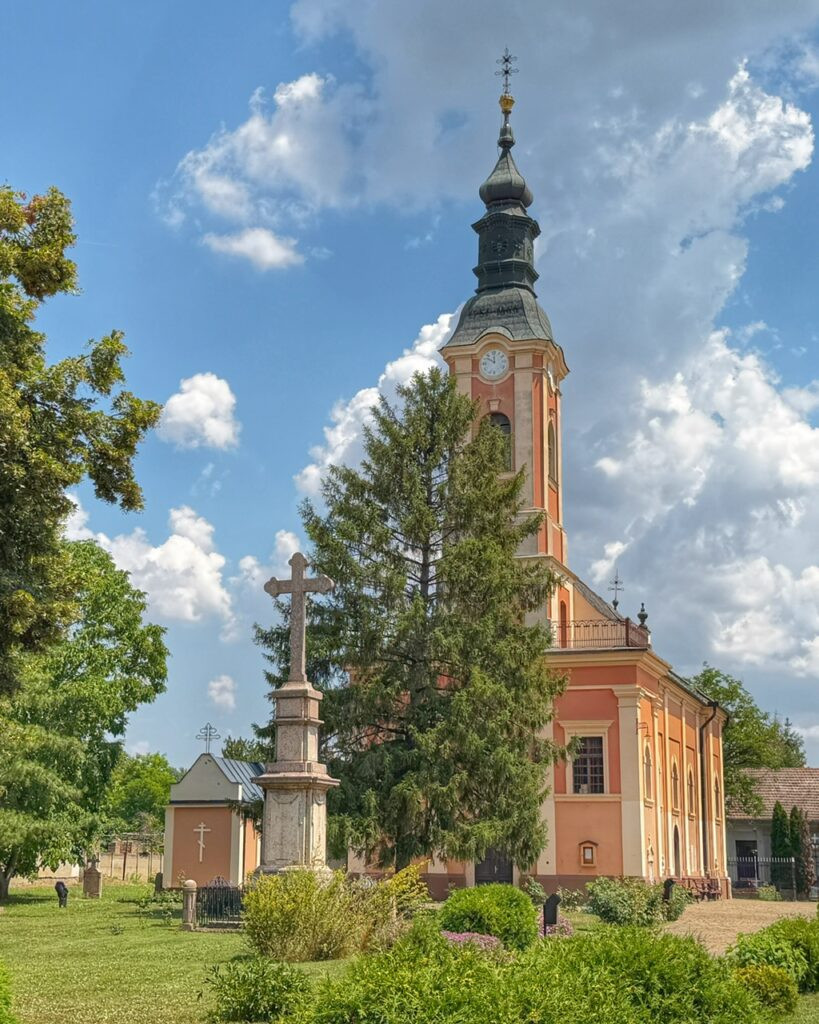
The unusual and far less colorful tower itself dominates the town at 50 meters (164 feet). Also, an Orthodox Church near the main square
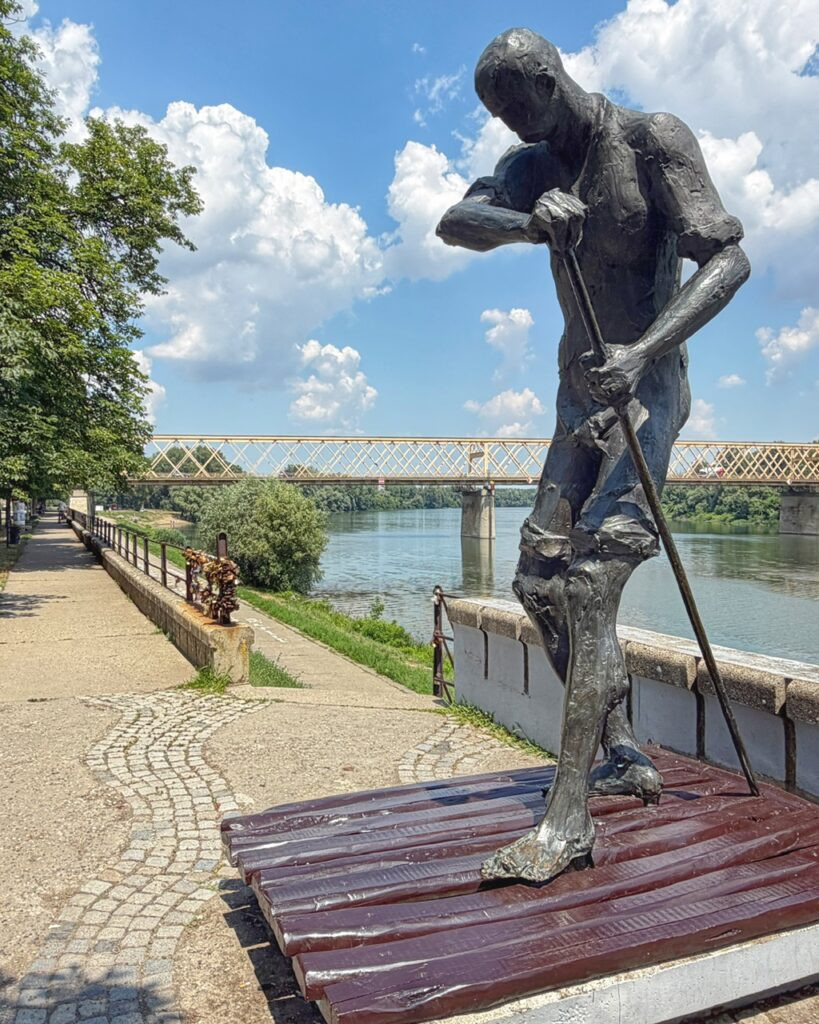
Working our way to the river, we met The Ferryman who told us the story of how the Tisa River shaped the town’s history as a borderland for centuries. Before there was a permanent bridge across the river, ferrymen, just like this tall dapper dude transported people, livestock, wagons and agricultural goods. Today, according to the Vojvodina Tourist Organization, it represents the long shared history of Serbs and Hungarians in the region, as well as friendship and cooperation.
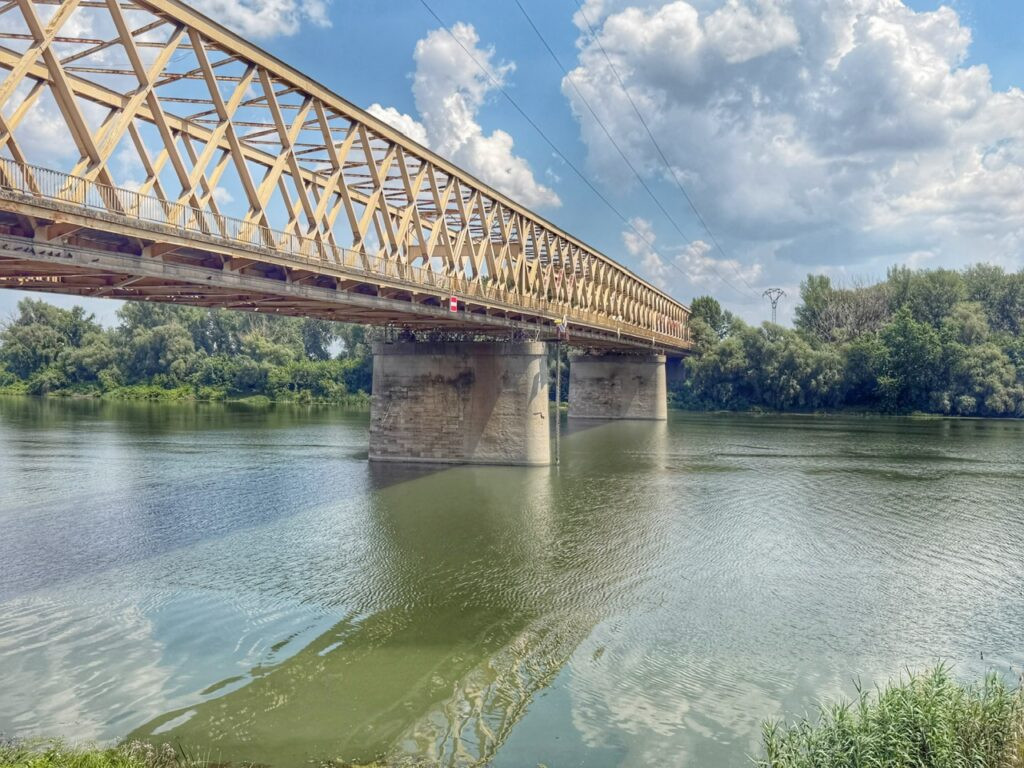

The modern day rail and car bridge opened to traffic in 1963. The Tisa starts in the Carpathian Mountains in Western Ukraine. It’s also where we got to take a refreshing dip in the lazy-moving waters at Senta’s beach, which was free and equipped with basic services like umbrellas, toilets, changing areas and showers.
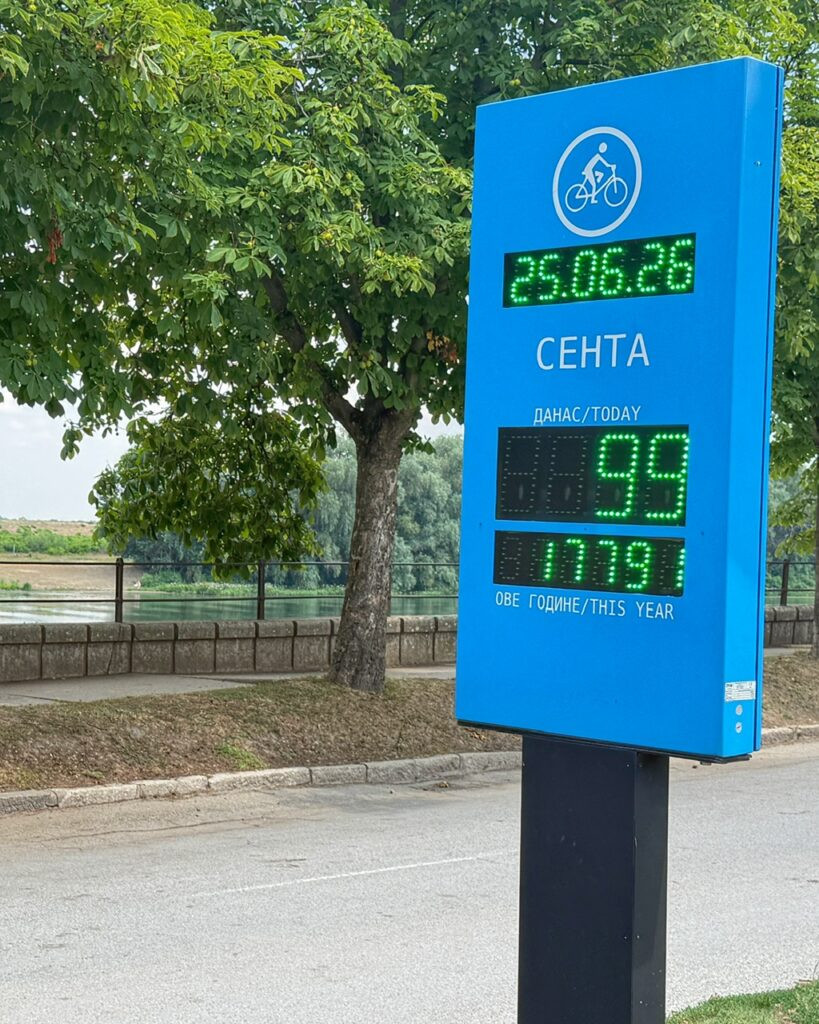
A sophisticated bike counter. Great to see those numbers in this flat and bike friendly paradise!

After our swim, it was time to head back to the main square for some chocolate delights at the Reel Chocolate Museum and shop, which undeniably had the best ice cream we’ve had in Serbia thus far. It cost about $1.80/scoop as opposed to the normal $1, but we were more than willing to take the “hit.”


They also had a wall of enjoy-later treats, so we bought one of these strawberry bars for about $6.40. In hindsight, we got duped by the strawberry bling and a regular chocolate bar for $5 would have been completely sufficient. 😂
We still had over an hour to kill and it was getting quite sticky again, so we had no choice but to grab a couple beers for a couple bucks each. Mmm…nothing like the winning combo of cold ice cream chased by cold beer on a hot day.

If you ever feel like you’ve got the weight of the world on your shoulders, just be grateful you’re not these chaps! These chiseled atlantes, which seem to have more personality and obvious headaches than most, serve as architectural supports on the town museum of Senta.
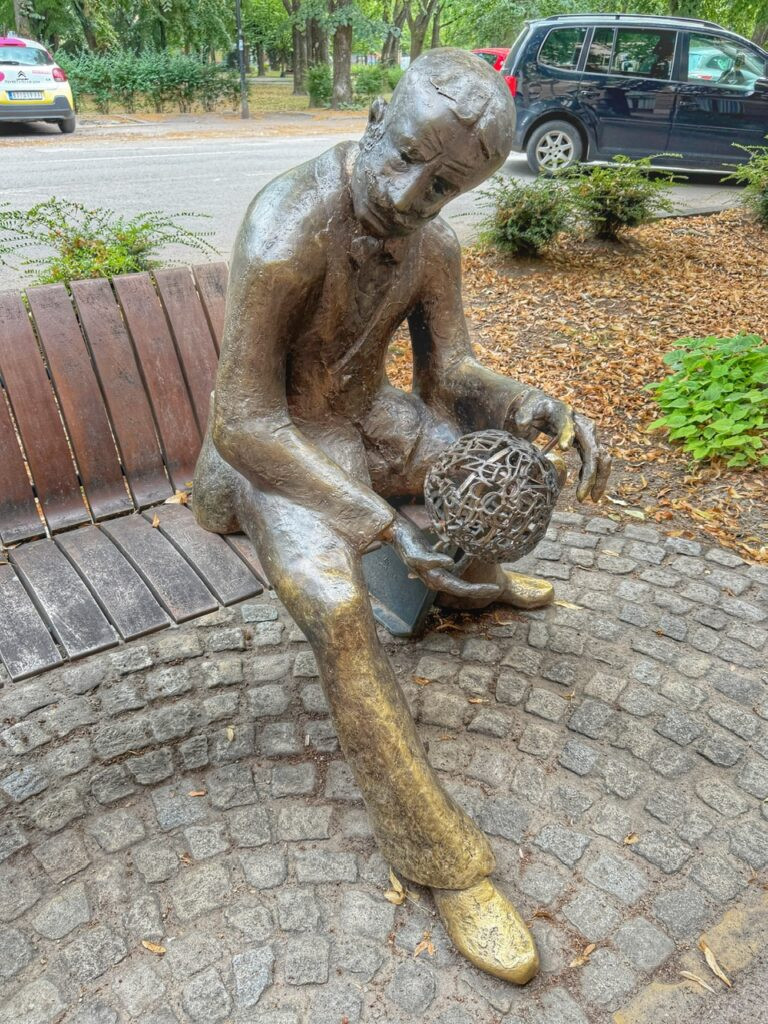
Nearby is a statue of Gyula Dudás, one of Senta’s most important historians. We love that the city chose to plop him on a standard bench, making him much more approachable. Though I asked him what the ball represented in his hands and he wouldn’t tell me.

We also admired the Hotel Royal, built in 1911 which has been protected as a cultural monument.

Around the town, as we’ve seen many places throughout the Balkans, were senior photos of the graduating class, complete with chosen career paths. In many school systems in the region, high school students enroll in specialized tracks for 3-4 years which could include healthcare, like these students, trades, tech, business, etc. By the time they graduate, they are often trilingual (Serbian, Hungarian, English), trained in a direction, and doing internships/trade work to prepare them for the real world. Oh my god, what an obvious way to design education! I certainly would have killed to avoid the painstaking tears of calculus and chemistry!
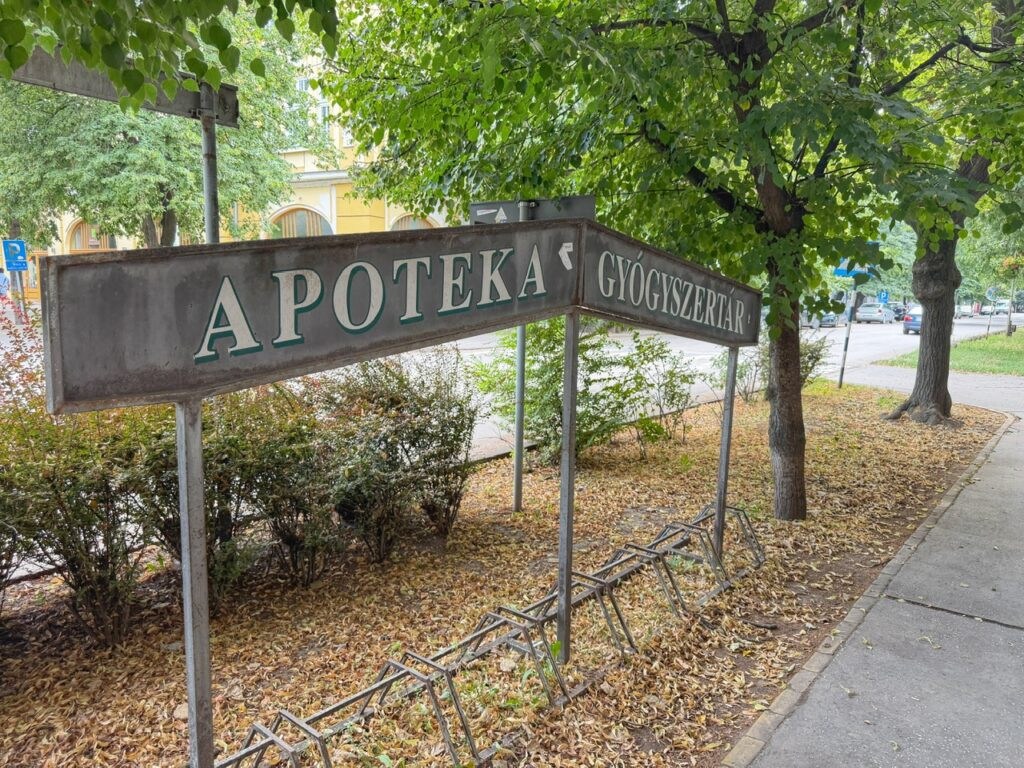
It’s very likely that same of these exact students could end up here….a sign meaning pharmacy in both Serbian and Hungarian.

Waiting for our train to whisk us the 40 minutes back to Subotica ($2/ticket)

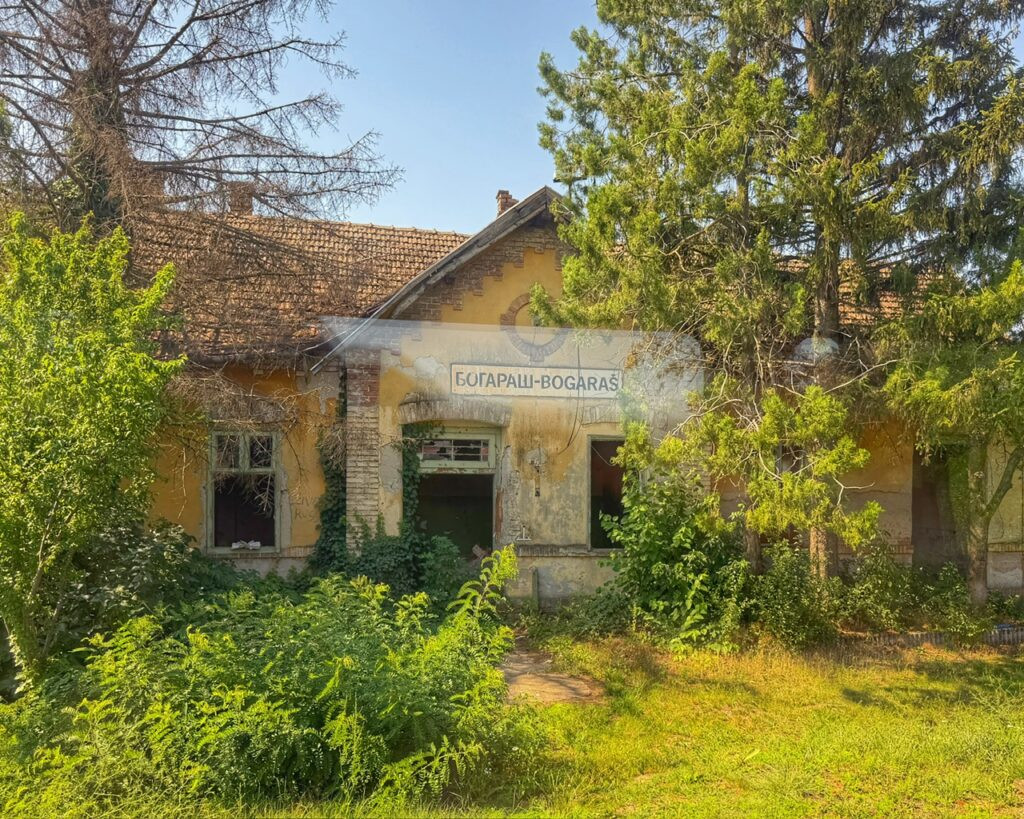
The Senta Station, which was inaccessible inside, still looks far more pasted together than other dilapidated corners of Vojvodina we saw along the way.
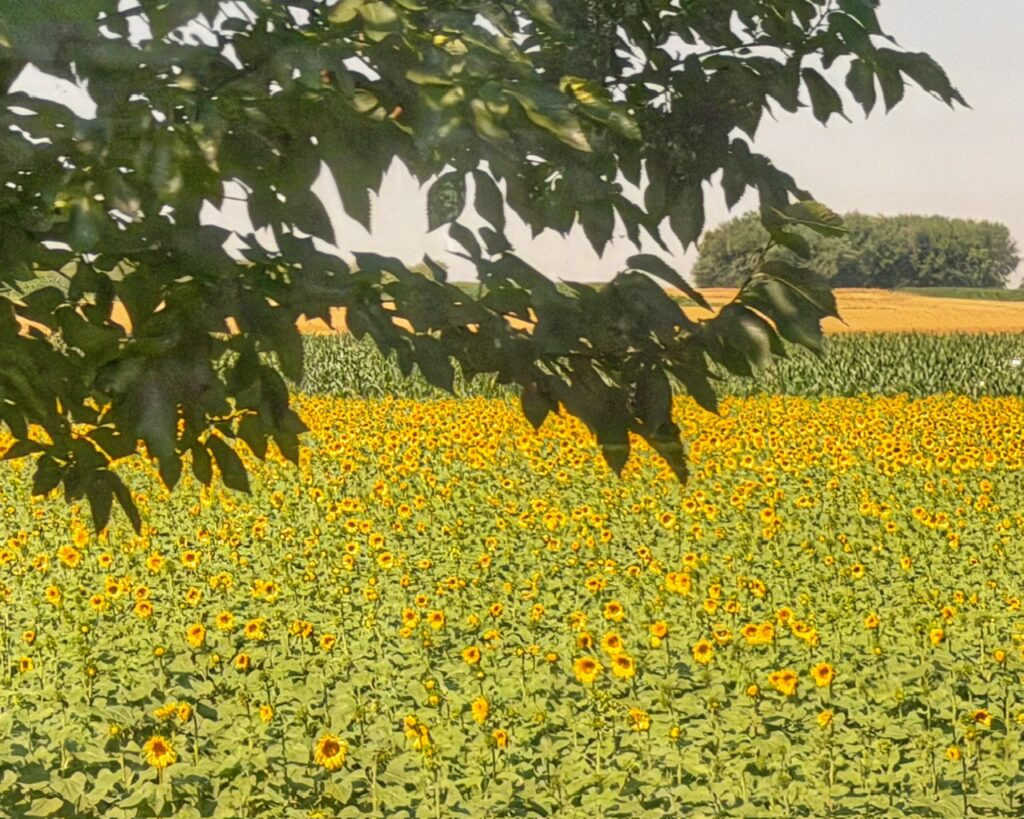
Oh! And we were just in time for sunflower season!!